Joe Rogan and the Quiet Death of the Middleman
0 View

- Publish Date:
- November 18, 2026
- Category:
- Latest News
- Video License
- Standard License
- Imported From:
- Youtube
Ten years ago, if you wanted the news, you turned on the TV at six and took what you got.
Three guys in suits, same questions, same format, same twelve minutes of actual content stretched over thirty.
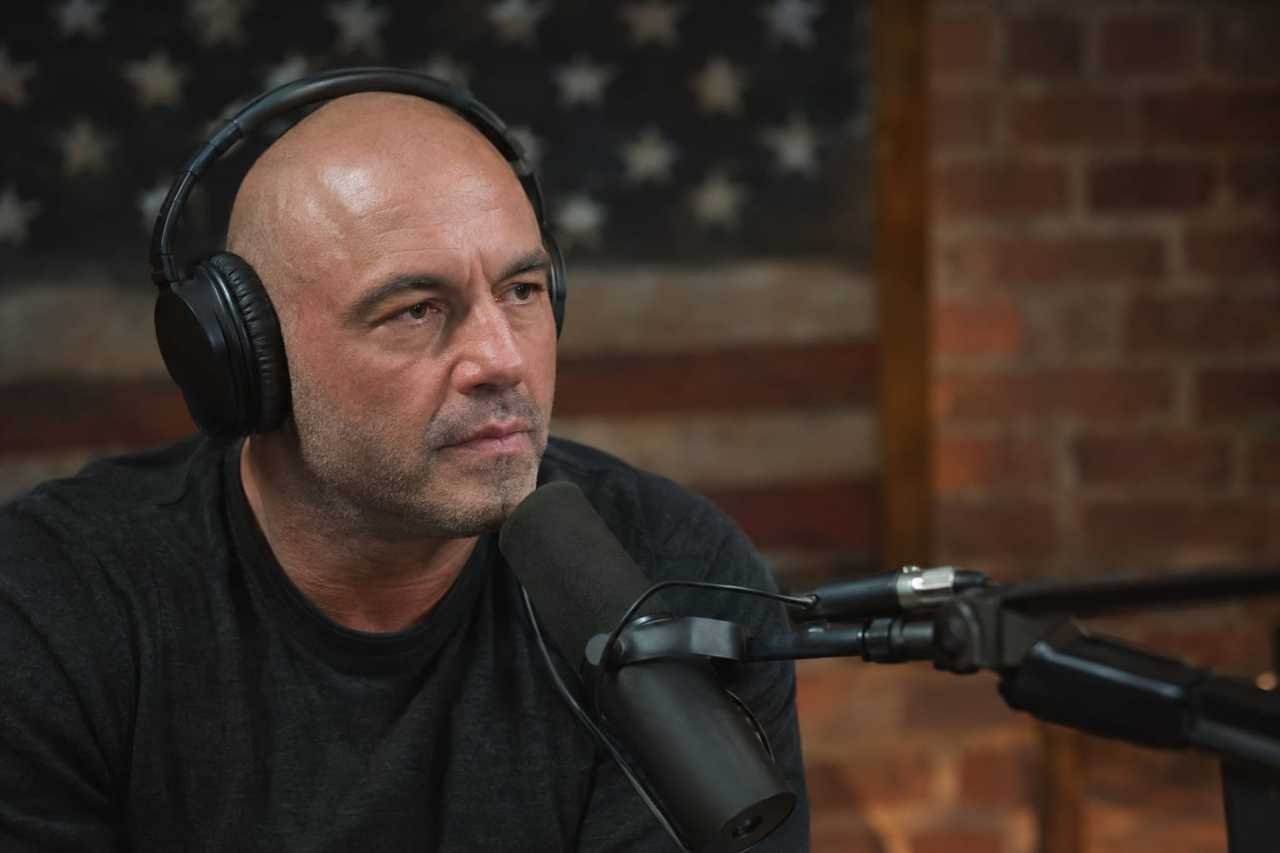
That world is gone. And according to a new piece from the Annenberg Public Policy Center, Joe Rogan is one of the biggest reasons why.
Why This Caught My Eye
I've spent the last eight years living out of a backpack, bouncing between countries, picking up wifi where I can find it. When you live like that, you stop getting your news from a set schedule. You get it when you get it, from whoever happens to be talking about it that day.
Turns out, a lot of people are doing the same thing now, whether they're traveling or not.
The Annenberg report looks at Rogan as a case study in how political media has shifted. Not from one network to another. From networks to individuals. From scheduled broadcasts to a guy in a studio talking for three hours with no commercial breaks and no producer cutting him off.
The Gatekeepers Are Gone
Here's the thing that gets me thinking: for decades, a small handful of people decided what counted as news. Editors, anchors, network executives. They decided what you'd hear about and what you wouldn't.
Rogan didn't ask anyone's permission to build an audience. He just talked, people listened, and the audience kept growing until politicians and candidates realized ignoring him meant ignoring millions of potential voters.
Is that good or bad? I don't think it's either, honestly. It's just different. And different is worth paying attention to.
What Changed, Exactly
The Annenberg Center frames Rogan as a catalyst, not an isolated phenomenon. He didn't invent the long-form interview podcast. But he proved, at a massive scale, that people will sit through hours of unstructured conversation if the conversation is actually interesting.
That's a real shift in how political information travels. A sitting senator or a presidential candidate can now go on a podcast, talk for two or three hours, and reach an audience that might never watch a Sunday morning news show. No commercial breaks. No seven-second soundbite getting clipped out of context. Just a long conversation that people choose to listen to, start to finish.
Whether that makes for better-informed citizens or just louder ones is a fair question. The researchers aren't claiming it's automatically good. They're documenting that it's happening, and it's reshaping how campaigns think about reaching people.
Why This Matters to You
I'll be honest, I used to think "doing your own research" was mostly an excuse people used to avoid listening to experts. I've softened on that a bit, not because experts stopped mattering, but because the tools to actually dig into something yourself got a lot better.
A podcast like Rogan's is one of those tools. So is a Substack newsletter, a YouTube deep-dive, a niche forum full of people who actually know the subject. None of them replace good reporting. But they add options. And options are something I care about a lot.
I've built my whole life around having options. Where to go next, what to learn, who to talk to. I don't like being told there's only one correct path or one correct source. Maybe that's why this story grabbed me. It's not really about Joe Rogan. It's about more people realizing they don't have to wait for permission to find things out.
That's worth sitting with for a second, whether you're a Rogan fan or you've never listened to a single episode. The old system of a handful of gatekeepers deciding what information reaches you is breaking down. What replaces it is messier, less filtered, sometimes less accurate. But it's also more open.
So here's a question worth asking yourself: where are you actually getting your political information these days? And when's the last time you went looking for a source nobody handed you?
That curiosity, more than any single podcast, might be the real catalyst worth paying attention to.
Source: Annenberg Public Policy Center
Read our previous article: Podcast Ad Buyers Can Now Just Ask ChatGPT Where to Spend Their Money
Sponsored Area