How to Start a Podcast + Build a Professional Demo (Beginner Guide) Lesson 10
654 View

- Publish Date:
- March 24, 2026
- Category:
- Learn to Podcast
- Video License
- Standard License
- Imported From:
- Youtube
In this lesson, we step into one of the most powerful spaces in modern media — podcasting — and show you how to create your own podcast and build a professional demo that can launch your career.
Whether you want to be a radio presenter, content creator, or podcaster, this lesson gives you the blueprint to get started.
🎧 What You’ll Learn
🎙️ How to choose the perfect podcast topic or niche
👥 Should you have a co-host or go solo?
🏷️ How to create a podcast name that can grow with you
📊 How to structure your podcast (length, style, format)
🎚️ Recording and editing basics (even as a beginner)
🎧 Equipment you actually need (without overspending)
🚀 How to launch your podcast successfully
🎤 Building a Professional Demo
This lesson also helps you create a radio/podcast demo reel, including:
✔ Structuring your demo
✔ Showcasing your personality and range
✔ Creating strong first impressions
✔ Making your demo industry-ready
🎚️ Podcast Setup Essentials
Learn the fundamentals of setting up your podcast:
🎧 Microphones and audio quality basics
🎼 Intro music and branding
🖼️ Cover art that stands out
💻 Editing software options (beginner-friendly)
📡 Hosting platforms and distribution
🔥 Key Insight
👉 You don’t need perfect equipment to start.
👉 You just need to start.
The biggest mistake aspiring creators make is waiting too long to launch.
📈 Why Podcasting Matters
Podcasting is one of the fastest-growing media platforms globally:
• Builds personal brand
• Expands your audience beyond radio
• Creates on-demand content
• Opens monetisation opportunities
This lesson shows you how to enter that space confidently and professionally.
🎓 About the Course
This 12-part course gives you real-world broadcasting and content creation skills, including:
📻 Radio fundamentals
🎙️ On-air personality
📰 News & sports broadcasting
🎚️ Production & content strategy
🎧 Podcasting & digital media
👍 If you're serious about radio, podcasting or content creation, make sure to:
✔ Subscribe
✔ Like the video
✔ Comment your podcast idea
Visit www.chrisjordanmedia.net for more tutorials, workshops, and projects
-----------------------------------------
PODCAST MASTERY: How to Make, Market, and Monetize Podcasts
Are you ready to learn how to Make, Market, and Monetize your podcast — even if you're just starting out? This fast-paced, value-packed course will show you exactly how to launch and grow a podcast that attracts listeners, builds authority, and generates income.
You'll learn:
✅ The best equipment to use
✅ How to find engaging guests
✅ How to land sponsorships easily
✅ Ways to grow your audience fast
✅ How to sell your products or services through your podcast
✅ What to do if you don’t have a product (yet!)
Whether you're an entrepreneur, creative, coach, or just have something to say — this course will guide you every step of the way.
👉 Click here to enroll now and start building your podcasting success!
Your voice has power — let the world hear it! 🎧
3 Must-Know Podcasting Tips for Your Show
Encouraging Listener Interaction and Feedback
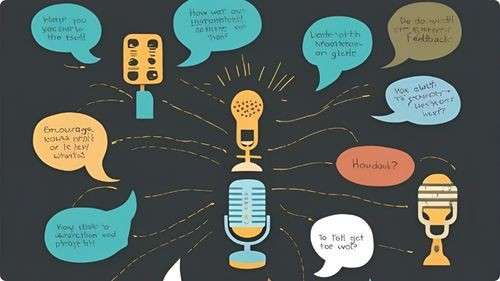
Fostering interaction and feedback from your listeners can enhance engagement and improve your podcast’s content. Invite listeners to share their thoughts, questions, and suggestions through various channels such as social media, email, or your podcast’s website. Incorporate listener feedback into your episodes by addressing common questions or discussing popular topics, making your audience feel valued and involved. Create opportunities for interaction, such as Q&A sessions, polls, or live recordings, to further engage your listeners. Responding to comments and acknowledging feedback builds a strong community around your podcast, encouraging loyalty and word-of-mouth promotion.
Optimizing Audio Quality for Clear Sound

High audio quality significantly impacts the listener experience. Start by recording in a quiet environment to reduce background noise and echoes. Use a quality microphone and position it correctly to capture clear sound without distortion. Implement soundproofing measures, such as foam panels or blankets, to enhance acoustics. During editing, remove any unwanted noise and balance audio levels to ensure a smooth listening experience. Incorporate compression and equalization to fine-tune the sound. Clear and crisp audio not only makes your podcast more enjoyable but also reflects your commitment to professionalism, encouraging listeners to stay engaged.
Choosing the Right Equipment for Your Podcast

Selecting the appropriate equipment is fundamental to producing a high-quality podcast. Start with a reliable microphone that suits your recording environment, whether it's dynamic for noisy spaces or condenser for controlled settings. Investing in good headphones ensures accurate sound monitoring during recording and editing. Additionally, consider acquiring a pop filter to minimize unwanted sounds and a sturdy stand to maintain microphone stability. A quality audio interface can enhance sound clarity, especially if you're recording on a computer. Proper lighting and a quiet recording space also contribute to professional-sounding episodes. By carefully choosing your equipment, you set a strong foundation for your podcast’s success.
Frequently Asked Questions
What role do podcast covers and branding play?
Visual elements like podcast covers and branding are crucial for making a strong first impression, attracting potential listeners, and conveying the essence of your show effectively.
What are the common mistakes to avoid in podcasting?
Avoid inconsistent publishing schedules, poor audio quality, lack of preparation, overlong episodes, and neglecting audience engagement. Maintaining professionalism is essential for growth.
What is the role of a podcast publisher?
A podcast publisher manages the dissemination of your episodes to various platforms, handles distribution logistics, and often provides tools for analytics and monetization to support your show’s growth.
Statistics
- Podcasts promoting their episodes on social media platforms see a 40% boost in new subscribers.
- Listeners prefer podcast episodes that range between 30 to 45 minutes, with 65% favoring this duration.
- About 55% of podcasters use interviews as a key strategy to provide diverse content.
- Investing in professional editing services can enhance the overall quality of a podcast, leading to a 30% increase in positive feedback.
- Podcasts that release episodes on Tuesdays and Thursdays see higher download rates by 30%.
- Investing time in marketing can increase a podcast’s audience by up to 50% annually.
- About 50% of podcast listeners prefer shows that offer a mix of solo and interview episodes.
- Podcasts that regularly update their equipment report a 40% improvement in audio quality and listener satisfaction.
- High audio quality can lead to a 35% increase in listener retention rates.
- Effective use of keywords in podcast descriptions can improve search rankings by 30%.
- Listener reviews and ratings contribute to a 25% increase in podcast discoverability.
- Podcasts that engage with their audience through email newsletters see a 30% higher retention rate.
- Genres such as true crime, technology, and personal development are among the most popular, attracting over 70% of listeners.
- Engaging storytelling techniques can increase listener retention rates by up to 50%.
- Collaborating with other podcasters can lead to a 20% growth in listener base.
- Podcasts that utilize analytics to refine content strategies experience a 40% improvement in listener satisfaction.
External Links
thepodcasthost.com
optimizingpodcasting.com
podcastmovement.com
socialmediaexaminer.com
podcastpage.io
shutterstock.com
podcastgrandcentral.com
patreon.com
buzzsprout.com
listennotes.com
audacityteam.org
jeffbullas.com
screencast-o-matic.com
podcastitalia.com
blog.libsyn.com
apple.com
radiopublic.com
How To
How To Conduct Effective Podcast Research
Conducting thorough research is essential for creating informative and credible podcast content. Begin by identifying credible sources related to your episode topics, such as academic journals, reputable websites, industry reports, and expert interviews. Gather detailed information and statistics to support your discussions and provide value to your listeners. Take organized notes, highlighting key points, quotes, and references that can be used during your episodes. fact-check all information to ensure accuracy and reliability, avoiding the spread of misinformation. Additionally, research your guests’ backgrounds and expertise to prepare relevant and insightful questions for interviews. Effective research enhances the quality of your podcast, making it more informative and trustworthy for your audience.
Sponsored Area