How to Start a Podcast That Actually Grows Your Business
7 View

- Publish Date:
- July 29, 2026
- Category:
- Learn to Podcast
- Video License
- Standard License
- Imported From:
- Youtube
🙏🙏 Watch The Video & Don’t Forget to Like, Comment, Subscribe, & Share 🧡
Thinking about starting a podcast for your business, but still waiting for the perfect idea, equipment or moment to begin?
In this episode of Speak & Serve, I’m joined by podcasting expert Mike Roberts from Making Digital Real to explore how you can start a podcast, build trust with your audience and use the power of your voice to grow your business.
And here’s the important bit: you don’t need thousands of listeners.
Mike shares how one listener to a niche podcast went on to become one of the host’s biggest clients. Because successful business podcasting isn’t necessarily about going viral. It’s about being heard by the right people.
We discuss:
• How to start a podcast without expensive equipment
• Why voice is so powerful for building trust
• The simplest podcast setup for beginners
• How to find podcast topics your audience will care about
• The ideal length and frequency for a business podcast
• How podcasting creates evergreen content
• Using AI for podcast ideas without allowing AI to replace your personality
• Podcast SEO and getting your show found
• Why downloads and views aren’t the only measures of success
• How podcasting can support your sales and personal brand
• How private podcasts can become lead magnets, audio courses and even new revenue opportunities
If starting a podcast has been sitting on your to-do list for months, Mike’s message is refreshingly simple: stop chasing perfection and start recording.
You don’t need to be Steven Bartlett. You don’t need a £500 microphone. You don’t need thousands of listeners. You just need to start.
Find out more about Mike Roberts and Making Digital Real:
www.makingdigitalreal.co.uk
If you enjoyed the conversation, subscribe to Speak & Serve and tell me in the comments: what’s stopping you from starting your podcast?
🔶 WATCH MORE VIDEOS
✅How to win a Speaking Competition. Tips from a Uk finalist. Toastmasters
👉This Video Link:https://youtu.be/CMEmH9yL8cE?si=2iKDVPWXCjKj4qSm
✅ How to Use a Laptop as a Second Screen in Minutes for less than $20
👉This Video Link: https://youtu.be/pbE8ZfrzFEA?si=ARCJuThcSNm8Dnri
✅ What makes a good Morning Routine? 5 steps to a Winning Mindset
👉This Video Link: ...https://www.youtube.com/watch?v=wrvOyXrRTgs
✅ How to have good mental health when speaking in public or selling
👉This Video Link: https://youtu.be/CLqDRSsCuPw?si=nhy6VPQP0MTkgrGx
✅ The 7 Stories That Make Audiences Remember You when Public Speaking 👉 This Video Link: https://youtu.be/Fkkcqss5dbg?si=FQeIEkdAXbvkScAz
✅How to Handle Stress When Speaking. The Stress Doctor
👉This Video Link: https://www.youtube.com/watch?v=qiB_cHUzauM
✅Why not to Quit When your mind says no! Discipline
👉This Video https://www.youtube.com/watch?v=6NsI6Fnj044
✅How To Be More Creative Every Day!
👉This Video Link: https://www.youtube.com/watch?v=Gfe6S5wx0bY
✅How Failing First Leads to Success!
👉This Video Link: https://www.youtube.com/watch?v=Y_Ysd0r1F2g
#Podcasting #HowToStartAPodcast #BusinessPodcast #PodcastTips #PodcastMarketing #PrivatePodcast #PersonalBranding #BusinessGrowth
-----------------------------------------
Power Podcasting Made Easy
Power Podcasting Made Easy is your ultimate guide to launching a successful show—fast, fun, and with zero overwhelm. This bestselling course walks you through setup, hosting, publishing, and growth strategies. With over 32,000 students, you’ll learn how to use tools like Libsyn, reach Spotify and Google Podcasts, and even build a podcasting business. Whether you're brand new or ready to scale, Power Podcasting helps you grow influence, relationships, and revenue—all while whispering directly into the ears of your ideal audience. Ready to get your voice heard and change lives?
3 Must-Know Podcasting Tips for Your Show
Ensuring Legal Compliance in Your Podcast
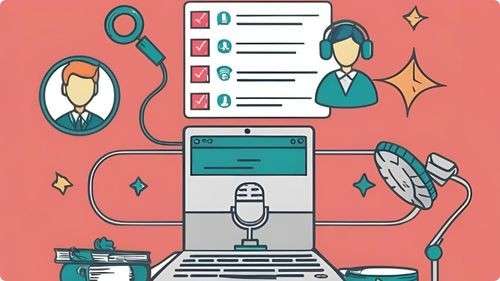
Maintaining legal compliance is essential to protect your podcast and its content from potential issues. Secure the necessary rights and licenses for any music, sound effects, or third-party content you use in your episodes to avoid copyright infringement. Obtain permission from guests to record and distribute their contributions, and consider having them sign release forms to formalize their consent. Be mindful of privacy laws by respecting the confidentiality and personal information of your listeners and participants. Additionally, adhere to advertising regulations when incorporating sponsorships or affiliate marketing, clearly disclosing any paid partnerships. Staying informed about relevant laws and regulations ensures that your podcast operates smoothly and mitigates legal risks.
Monetizing Your Podcast Effectively

Monetizing your podcast can turn your passion into a sustainable venture. Explore various revenue streams such as sponsorships, where companies pay to have their products or services featured in your episodes. Implement affiliate marketing by promoting products and earning a commission on sales generated through your unique links. Offer premium content or exclusive episodes through subscription models or platforms like Patreon. Additionally, consider selling merchandise related to your podcast to your loyal audience. Hosting live events or offering consulting services can also provide income opportunities. Diversifying your monetization strategies ensures a steady revenue flow while maintaining the quality and integrity of your content.
Planning Your Podcast Content Strategy
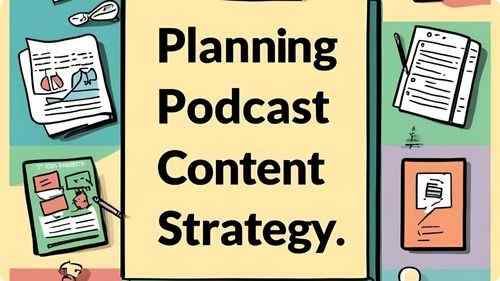
A well-defined content strategy ensures that your podcast remains focused, relevant, and engaging over time. Start by identifying your target audience and understanding their interests, preferences, and challenges. Develop a content calendar that outlines episode topics, guest appearances, and key themes you wish to explore each month. Balance evergreen content that remains relevant over time with timely topics that address current trends or events in your industry. Incorporate a mix of formats, such as interviews, solo episodes, and panel discussions, to keep your content varied and appealing. Regularly review and adjust your strategy based on listener feedback and performance metrics to maintain the effectiveness and appeal of your podcast.
Frequently Asked Questions
How often should I release new podcast episodes?
Consistency is key. Whether weekly, bi-weekly, or monthly, establish a schedule that you can maintain to keep your audience engaged and coming back for more.
How long should a typical podcast episode be?
Episode length can vary, but typically ranges from 20 to 60 minutes. Choose a duration that suits your content and keeps your audience engaged without overwhelming them.
How can I incorporate interviews into my podcast?
Plan your questions in advance, ensure good audio quality for both parties, and create a comfortable environment for your guest. Interviews add variety and different perspectives to your show.
How important are podcast analytics?
Analytics help you understand your audience, track growth, and measure engagement. Use this data to refine your content strategy, improve listener experience, and make informed decisions about your podcast.
What is the best way to prepare for a podcast interview?
Research your guest thoroughly, prepare insightful questions, test your equipment beforehand, and create a comfortable environment to facilitate a natural and engaging conversation.
What legal considerations should I be aware of in podcasting?
Ensure you have rights to any music or content used, obtain necessary permissions for guest appearances, and adhere to copyright laws. Consider including disclaimers and privacy policies as needed.
Statistics
- Podcasts that offer unique and niche content are 35% more likely to build a dedicated listener base.
- Listeners prefer podcast episodes that range between 30 to 45 minutes, with 65% favoring this duration.
- Listener reviews and ratings contribute to a 25% increase in podcast discoverability.
- Podcasts utilizing video snippets on social media experience a 20% rise in audience interaction.
- Over 80% of podcasters report that having a dedicated website enhances their show’s visibility.
- About 60% of podcasters find that offering premium content subscriptions generates additional revenue.
- About 50% of podcast listeners prefer shows that offer a mix of solo and interview episodes.
- Approximately 65% of podcasters monetize their shows through sponsorships and advertising.
- Podcasts that engage with their audience through email newsletters see a 30% higher retention rate.
- Approximately 70% of successful podcasters invest in high-quality microphones to ensure clear audio.
- Podcasts with consistent weekly releases are 60% more likely to grow their audience steadily.
- Podcasts with eye-catching cover art are 45% more likely to attract new listeners.
- Podcasts that release episodes on Tuesdays and Thursdays see higher download rates by 30%.
- Podcasts with interactive segments, such as Q&A sessions, see a 25% boost in audience participation.
- Engaging storytelling techniques can increase listener retention rates by up to 50%.
- Collaborating with other podcasters can lead to a 20% growth in listener base.
External Links
podbean.com
listennotes.com
convinceandconvert.com
podcastinsights.com
buzzsprout.com
socialmediaexaminer.com
podcasters.spotify.com
audacityteam.org
zoom.us
transistor.fm
mailchimp.com
optimizingpodcasting.com
thepodcasthost.com
ahrefs.com
anchor.fm
inc.com
adobe.com
How To
How To Optimize Your Podcast for Mobile Listening
Optimizing your podcast for mobile listening ensures that your content is accessible and enjoyable for listeners on the go. Start by ensuring your audio files are high quality and compatible with various mobile devices and podcast apps. Compress your files appropriately to balance sound quality and download speed, making it easier for listeners to access your episodes without long loading times. Design a responsive podcast website that looks and functions well on mobile browsers, allowing listeners to stream or download episodes directly from their smartphones. Use clear and concise episode titles and descriptions to make it easy for listeners to find and understand your content on smaller screens. Additionally, promote your podcast through mobile-friendly channels, such as social media and email, to reach listeners wherever they are.
Sponsored Area