Will Discovery Algorithms Save or Destroy Podcasting? | Podcast Discovery | Podcast Marketing Trends
292 View

- Publish Date:
- October 19, 2026
- Category:
- Podcasting
- Video License
- Standard License
- Imported From:
- Youtube
But will it actually be the marketing cure-all many creators hope it will be? Or might it actually make it harder to grow? Or perhaps, algorithmic discovery will change the medium into something else entirely…
One way or another, we’re about to find out. Here’s how to prepare for it.
⭐️ Take our 2-minute podcast marketing audit to instantly identify the marketing problems keeping you from growth: https://go.podcastmarketingacademy.com/audit-yt ⭐️
🔍 Podcast Discovery
Discovery has always been one of the biggest challenges in podcasting, and it's changing fast. In addition to tried and true podcast discovery channels like collaborations, cross promotions, social media, podcast guesting, advertising, and SEO, Spotify, YouTube, and others are rolling out algorithm-driven discovery tools to help listeners find new podcasts more easily. But will these tools actually make podcast marketing & growth easier for creators? Or will it simply shift the type of marketing they need to do?
✍️ Leave your feedback for the show: https://podcastmarketingtrends.com/feedback
Subscribe to Podcast Marketing Trends Explained in your favourite podcast app | https://go.podcastmarketingacademy.com/pmte-yt
Check out the Podcast Marketing Trends 2024 Report | https://go.podcastmarketingacademy.com/pmt-24-yt
Watch us roast our viewers podcasts to help them improve their marketing | https://www.youtube.com/watch?v=uAo6w3OjKfg&list=PLSbtUoUeEbPKD4XUwu0M1Y84PcaRyYJDh&pp=gAQB
📈 More from Podcast Marketing Academy
Subscribe to The Scrappy Podcasting Newsletter | https://go.podcastmarketingacademy.com/spn-yt
Get your free personalized podcast marketing audit | https://go.podcastmarketingacademy.com/audit-yt
Join the Podcast Marketing Academy Membership to get personal marketing strategy support from Jeremy | https://go.podcastmarketingacademy.com/membership-yt
🎙️ More from @TransistorPodcasting
Try Transistor podcast hosting free for 14 days: https://go.podcastmarketingacademy.com/transistor-yt
Follow @TransistorPodcasting for more podcasting tips & tutorials
---
Podcast Marketing Trends Explained is a podcast about data-driven podcast marketing, growth, and monetization. In every episode, we take a peek under the hood of one data point from the Podcast Marketing Trends Report and dig into what it can tell us about how to market our shows better, and grow them faster.
On the show, we'll explore podcast marketing strategies, growth tactics, podcast listener psychology, how to create a better podcast, how to use a podcast to market your products and services and grow your business, and broader marketing trends to help you grow your audience and stay ahead of the competition.
The show is hosted by Jeremy Enns from Podcast Marketing Academy and the Scrappy Podcasting Newsletter, and Justin Jackson from podcast hosting platform @TransistorPodcasting.
#podcastgrowth #podcast #podcastindustry #podcastmarketing #audiencedevelopment #podcastalgorithms #youtubepodcast #youtubepodcasts #videopodcasting #videopodcast #podcastmarketingstrategy #growyourpodcast #podcastdiscovery #podcastcreation #spotify #youtube #algorithms
-----------------------------------------
Podcast Coach: Podcasting Profits
🎧 If you've ever asked, “How can I actually make money from my podcast?”—this is your answer. Podcast Coach: Podcasting Profits is a powerful course that shows you exactly how to turn your free listeners into paying coaching clients, almost effortlessly.
You already have an audience tuning in to hear your insights, learn from your expertise, and connect with your message. What many of them really want is more—more access, more guidance, more results. This course will teach you how to bridge that gap and offer coaching in a way that feels natural, authentic, and rewarding for both you and your audience.
Whether you're new to coaching or looking to add a new income stream, this step-by-step training walks you through how to position yourself as a trusted coach, build deeper relationships with your listeners, and monetize your podcast without needing ads or sponsorships.
👉 Click here to join the online course now and start turning your podcast into a thriving coaching business today!
3 Must-Know Podcasting Tips for Your Show
Encouraging Listener Interaction and Feedback
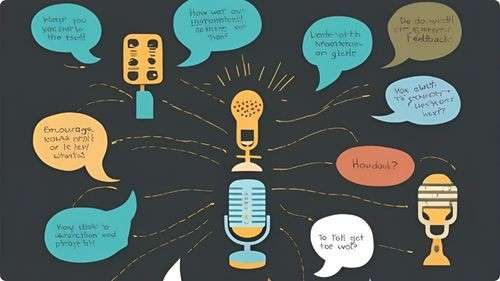
Fostering interaction and feedback from your listeners can enhance engagement and improve your podcast’s content. Invite listeners to share their thoughts, questions, and suggestions through various channels such as social media, email, or your podcast’s website. Incorporate listener feedback into your episodes by addressing common questions or discussing popular topics, making your audience feel valued and involved. Create opportunities for interaction, such as Q&A sessions, polls, or live recordings, to further engage your listeners. Responding to comments and acknowledging feedback builds a strong community around your podcast, encouraging loyalty and word-of-mouth promotion.
Promoting Your Podcast on Social Media

Utilizing social media is a powerful way to promote your podcast and reach a broader audience. Identify the platforms where your target listeners are most active, such as Twitter, Instagram, Facebook, or LinkedIn. Create engaging posts that highlight episode highlights, guest appearances, and behind-the-scenes content. Use relevant hashtags to increase visibility and join conversations related to your podcast’s niche. Share audio clips or short video snippets to give potential listeners a taste of your content. Encourage your audience to share episodes with their networks, and interact with followers by responding to comments and messages. A strategic social media presence can significantly enhance your podcast’s reach and listener engagement.
Ensuring Legal Compliance in Your Podcast

Maintaining legal compliance is essential to protect your podcast and its content from potential issues. Secure the necessary rights and licenses for any music, sound effects, or third-party content you use in your episodes to avoid copyright infringement. Obtain permission from guests to record and distribute their contributions, and consider having them sign release forms to formalize their consent. Be mindful of privacy laws by respecting the confidentiality and personal information of your listeners and participants. Additionally, adhere to advertising regulations when incorporating sponsorships or affiliate marketing, clearly disclosing any paid partnerships. Staying informed about relevant laws and regulations ensures that your podcast operates smoothly and mitigates legal risks.
Frequently Asked Questions
How can I monetize my podcast?
Monetization options include sponsorships, advertising, listener donations, merchandise sales, and offering premium content. Choose strategies that align with your audience and content style.
What software is best for recording and editing podcasts?
Popular options include Audacity, which is free and user-friendly, and Adobe Audition, which provides advanced editing features. Choose software that fits your skill level and editing needs.
How can I create engaging podcast content?
Focus on topics you are passionate about, research thoroughly, and structure your episodes with a clear introduction, main content, and conclusion. Engaging storytelling and relevant information keep listeners interested.
What are the best practices for podcast episode structure?
Start with a strong introduction, followed by the main discussion or interview, and end with a summary or call to action. Consistent formatting helps listeners know what to expect each episode.
Statistics
- Podcasts with eye-catching cover art are 45% more likely to attract new listeners.
- Approximately 40% of podcasters use background music to enhance the listening experience.
- Investing in professional editing services can enhance the overall quality of a podcast, leading to a 30% increase in positive feedback.
- Podcasts that include detailed show notes experience a 50% increase in listener engagement.
- Podcasts that regularly update their equipment report a 40% improvement in audio quality and listener satisfaction.
- Collaborating with other podcasters can lead to a 20% growth in listener base.
- Podcasts that engage with their audience through email newsletters see a 30% higher retention rate.
- Podcasts with consistent weekly releases are 60% more likely to grow their audience steadily.
- Engaging storytelling techniques can increase listener retention rates by up to 50%.
- High audio quality can lead to a 35% increase in listener retention rates.
- Podcasts that offer unique and niche content are 35% more likely to build a dedicated listener base.
- About 50% of podcast listeners prefer shows that offer a mix of solo and interview episodes.
- Using transcription services can make podcasts accessible to a wider audience, increasing reach by up to 25%.
- Approximately 70% of successful podcasters invest in high-quality microphones to ensure clear audio.
- Podcasts promoting their episodes on social media platforms see a 40% boost in new subscribers.
- Listener reviews and ratings contribute to a 25% increase in podcast discoverability.
External Links
optimizingpodcasting.com
convinceandconvert.com
anchor.fm
transistor.fm
podcastcareers.com
podcastinsights.com
shutterstock.com
buzzsprout.com
help.apple.com
listennotes.com
analytics.google.com
podcastpage.io
radiopublic.com
zoom.us
podcasters.spotify.com
canva.com
ahrefs.com
How To
How To Maintain High Audio Quality in Your Podcast
Maintaining high audio quality is essential for providing a professional and enjoyable listening experience. Begin by investing in a good-quality microphone that suits your recording environment and budget. Use headphones during recording to monitor audio levels and detect any unwanted noise or distortions. Record in a quiet space with minimal background noise and consider using soundproofing materials to improve acoustics. Position the microphone correctly, maintaining a consistent distance from your mouth to ensure clear and balanced sound. Utilize audio editing software to remove any imperfections, such as pops, clicks, or background hums, and apply noise reduction techniques as needed. Additionally, ensure that all equipment is properly connected and maintained to prevent technical issues. High audio quality enhances listener satisfaction and contributes to the overall success of your podcast.
Sponsored Area