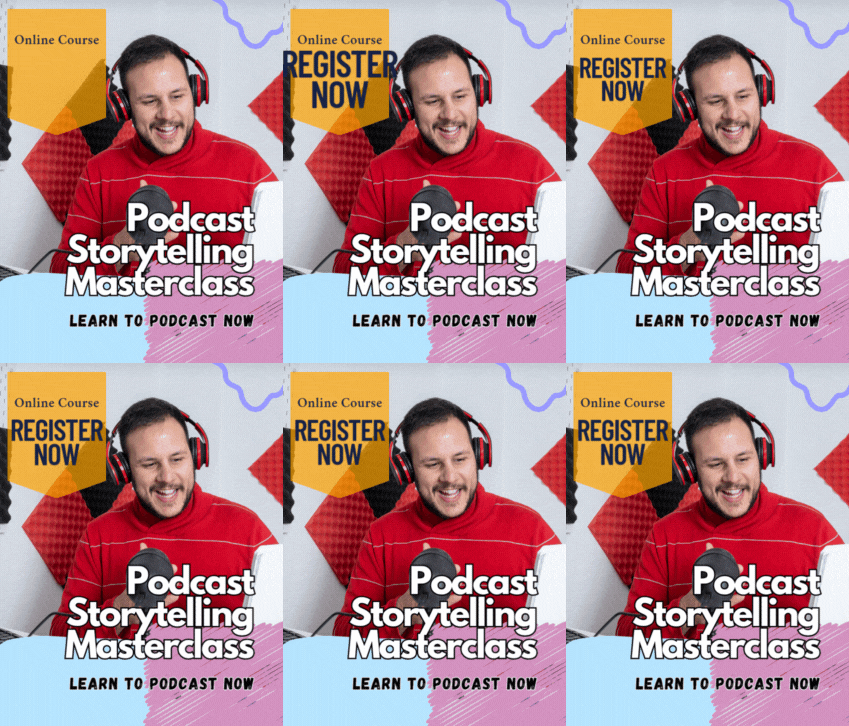
PODCAST OF THE DECADE🥵| CARRYMINATI
0 View

- Publish Date:
- November 2, 2026
- Category:
- Podcasting
- Video License
- Standard License
- Imported From:
- Youtube
Credits:
Roast Video:
Created by: CarryMinati
Written by: CarryMinati
Sketch Video:
Created by: CarryMinati
Written by: CarryMinati
Director: Aditya Chandiok
Producers: CarryMinati & Deepak Char
Team CarryMinati: Kunal Saraf & Amulya Sharma
Actors:
Beerbiceps - Ranveer Allahabadia
Alien - CarryMinati
Team Beerbiceps: Atharva, Sainyam Ghai, Omkar Surve, Vinay Kumar, Atish Rajak
Acting company- The actor anatomy
Acting Trainer- Saahhil sethi
Acting Assistant trainer-Pushpinder singh
ACTING TRAINER- SAAHHIL SETHI
HMU:
Prosthetic makeup-Yash Mhatre
Team-Anant Mali,Nihar Mhatre,vipul Sain
Costume Stylist: Rizilia Kinny & Rishu Gupta
Visual Effects: ShailShift (Shailesh Kumar)
Video Editor: Pranav Mestry
Colour Grade: Prathinraj Anchan
Sound Engineer: Russel Stephen
Online Studio - Cinereels studios (Rajesh Parihar)
Production boy's:
Shahid Shaikh ( Head )
Ayan khan
Anil chaurasiya
Location: Beerbiceps Studio
CarryisLive► @CarryisLive
Instagram► https://www.instagram.com/carryminati...
Carryminati Productions Official► @carryminatiproductionsoffi535
Facebook ► https://www.facebook.com/CarryDeol/
Twitter ► https://twitter.com/CarryMinati
Snapchat► heyAjey
For Business Related queries: [email protected]
About CarryMinati : Youthoob certified member
DISCLAIMER: Please don't go out of your way to or hate on anyone I talk about in my videos, this channel is to entertain people and I usually focus on joking about what the people are doing in general & not the individual themselves, please don't go spreading hate it's all for laughs. For detailed disclaimer please refer to the below link.
https://bit.ly/3iRKHH8
-----------------------------------------
How to Start a Podcast - Podcasting Made Easy
Podcasting Made Easy is your ultimate guide to launching a successful show—fast, fun, and with zero overwhelm. Taught by podcast pioneer Scott Paton, this bestselling course walks you through setup, hosting, publishing, and growth strategies. With over 32,000 students, you’ll learn how to use tools like Libsyn, reach Spotify and Google Podcasts, and even build a podcasting business. Whether you're brand new or ready to scale, Power Podcasting helps you grow influence, relationships, and revenue—all while whispering directly into the ears of your ideal audience. Ready to get your voice heard and change lives?
3 Must-Know Podcasting Tips for Your Show
Choosing the Right Equipment for Your Podcast

Selecting the appropriate equipment is fundamental to producing a high-quality podcast. Start with a reliable microphone that suits your recording environment, whether it's dynamic for noisy spaces or condenser for controlled settings. Investing in good headphones ensures accurate sound monitoring during recording and editing. Additionally, consider acquiring a pop filter to minimize unwanted sounds and a sturdy stand to maintain microphone stability. A quality audio interface can enhance sound clarity, especially if you're recording on a computer. Proper lighting and a quiet recording space also contribute to professional-sounding episodes. By carefully choosing your equipment, you set a strong foundation for your podcast’s success.
Developing a Unique Voice and Style

Establishing a unique voice and style sets your podcast apart and makes it memorable to listeners. Define your podcast’s personality by determining the tone, whether it’s conversational, formal, humorous, or inspiring. Be authentic in your delivery, allowing your genuine personality to shine through and connect with your audience. Develop consistent formatting, including how you introduce topics, transition between segments, and sign off each episode. Incorporate distinctive elements such as catchphrases, specific storytelling techniques, or unique soundscapes that reflect your podcast’s identity. A strong and consistent voice fosters recognition and loyalty, encouraging listeners to return and recommend your podcast to others.
Utilizing Transcriptions to Enhance Accessibility

Providing transcriptions of your podcast episodes can significantly enhance accessibility and reach a broader audience. Transcriptions cater to individuals who are deaf or hard of hearing, ensuring that your content is inclusive. They also benefit listeners who prefer reading over listening or want to reference specific parts of an episode quickly. Additionally, transcriptions improve your podcast’s SEO, as search engines can index the text, making your content more discoverable. Offering transcriptions on your website or as downloadable files adds value for your audience and demonstrates your commitment to accessibility. Incorporating transcriptions into your podcast strategy can lead to increased engagement and a more diverse listener base.
Frequently Asked Questions
How can I monetize my podcast?
Monetization options include sponsorships, advertising, listener donations, merchandise sales, and offering premium content. Choose strategies that align with your audience and content style.
What are the common mistakes to avoid in podcasting?
Avoid inconsistent publishing schedules, poor audio quality, lack of preparation, overlong episodes, and neglecting audience engagement. Maintaining professionalism is essential for growth.
What should I include in my podcast's intro and outro?
Your intro should introduce the podcast and set the tone, while the outro can include a summary, thank you message, and a call to action, such as subscribing or following on social media.
How important are podcast analytics?
Analytics help you understand your audience, track growth, and measure engagement. Use this data to refine your content strategy, improve listener experience, and make informed decisions about your podcast.
Statistics
- Podcasts that utilize analytics to refine content strategies experience a 40% improvement in listener satisfaction.
- Listener reviews and ratings contribute to a 25% increase in podcast discoverability.
- Listeners are 50% more likely to subscribe to podcasts that offer regular episode releases.
- Podcasts that include detailed show notes experience a 50% increase in listener engagement.
- Guest appearances on podcasts can result in a 15% increase in subscriber numbers.
- Podcasts that offer unique and niche content are 35% more likely to build a dedicated listener base.
- Effective use of keywords in podcast descriptions can improve search rankings by 30%.
- Podcasts with interactive segments, such as Q&A sessions, see a 25% boost in audience participation.
- Approximately 65% of podcasters monetize their shows through sponsorships and advertising.
- About 55% of podcasters use interviews as a key strategy to provide diverse content.
- Podcasts promoting their episodes on social media platforms see a 40% boost in new subscribers.
- Over 80% of podcasters report that having a dedicated website enhances their show’s visibility.
- Podcasts that release episodes on Tuesdays and Thursdays see higher download rates by 30%.
- Podcasts that engage with their audience through email newsletters see a 30% higher retention rate.
- Listeners prefer podcast episodes that range between 30 to 45 minutes, with 65% favoring this duration.
- About 50% of podcast listeners prefer shows that offer a mix of solo and interview episodes.
External Links
podcastinsights.com
podcastpage.io
podcastcareers.com
podbean.com
blog.libsyn.com
convinceandconvert.com
optimizingpodcasting.com
patreon.com
screencast-o-matic.com
ahrefs.com
inc.com
help.apple.com
blog.podomatic.com
audacityteam.org
anchor.fm
analytics.google.com
buzzsprout.com
How To
How To Utilize Podcast Directories to Expand Reach
Listing your podcast on various directories increases its visibility and accessibility to a broader audience. Start by submitting your podcast to major directories such as Apple Podcasts, Spotify, Google Podcasts, and Stitcher, ensuring you follow each platform’s submission guidelines. Optimize your podcast’s metadata, including titles, descriptions, and keywords, to enhance discoverability through search functions within these directories. Encourage listeners to subscribe and leave reviews, as positive ratings can improve your ranking and attract new listeners. Regularly update your podcast on these platforms to keep the content fresh and maintain your audience’s interest. Expanding your presence across multiple directories ensures that your podcast reaches listeners wherever they prefer to access their audio content.
Did you miss our previous article...
https://podcasting-unleashed.com/podcasting/how-to-start-a-podcast-and-make-it-last-in-2026
Sponsored Area