Episode 2: How to Create a Podcast from Scratch
5 View

- Publish Date:
- November 16, 2026
- Category:
- Learn to Podcast
- Video License
- Standard License
- Imported From:
- Youtube
Plus: the easy way versus hosting a feed yourself, Podcasting 2.0 tags, optional website players, turning a livestream or YouTube video into an MP3 with Reaper or a chatbot, value for value, Adam Curry's Daily Source Code, and a new Own the Feed YouTube channel where I'll livestream future episodes.
Own the Feed is a Winning the Week Network production.
-----------------------------------------
Podcast in The Classroom - Kindergarten to High School
Looking for a fun and engaging way to teach students? Podcasting in the Classroom is an incredible tool that brings multimedia learning to life! Whether you're teaching Kindergarten or High School, this course will show you how to use podcasts to enhance learning, engage students, and even involve parents.
In this course, you’ll learn how to:
✅ Use podcasts as an interactive tool to engage your students
✅ Teach students how to create their own podcasts
✅ Keep parents and students up-to-date with podcast updates
✅ Review and improve teaching performance through podcasts
✅ Overcome common challenges like copyright and privacy concerns
With over one billion podcast subscribers worldwide, your students are likely already listening to podcasts — now, let them create their own! 📚
👉 Click here to enroll now and take your teaching to the next level with podcasts.
Make learning more interactive and fun — let's get podcasting in the classroom! 🎤
2 Must-Know Podcasting Tips for Your Show
Encouraging Listener Interaction and Feedback
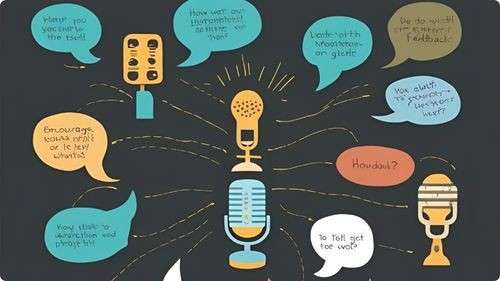
Fostering interaction and feedback from your listeners can enhance engagement and improve your podcast’s content. Invite listeners to share their thoughts, questions, and suggestions through various channels such as social media, email, or your podcast’s website. Incorporate listener feedback into your episodes by addressing common questions or discussing popular topics, making your audience feel valued and involved. Create opportunities for interaction, such as Q&A sessions, polls, or live recordings, to further engage your listeners. Responding to comments and acknowledging feedback builds a strong community around your podcast, encouraging loyalty and word-of-mouth promotion.
Analyzing Podcast Metrics to Improve Performance
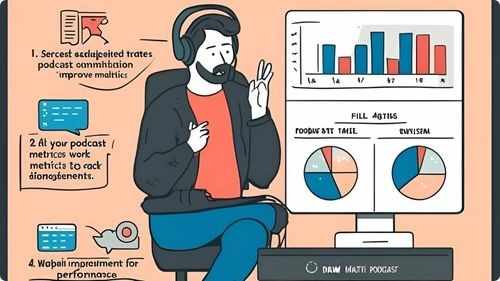
Monitoring and analyzing podcast metrics is crucial for understanding your audience and improving your show’s performance. Track key indicators such as download numbers, listener demographics, episode completion rates, and audience retention. Use analytics tools provided by your hosting platform or third-party services to gain insights into listener behavior and preferences. Identify which episodes perform best and analyze the factors contributing to their success, such as topics, guests, or formats. Pay attention to feedback and reviews to gauge audience satisfaction and areas for improvement. Regularly reviewing your metrics allows you to make informed decisions, optimize your content strategy, and enhance the overall quality and reach of your podcast.
Frequently Asked Questions
What are the best ways to receive feedback on my podcast?
Encourage listeners to leave reviews, conduct surveys, engage on social media, and create a feedback form on your website. Constructive feedback helps you improve and grow your podcast.
How do I submit my podcast to directories like Apple Podcasts and Spotify?
Create an account with a podcast hosting service, ensure your podcast meets the directory’s requirements, and follow their submission guidelines. Hosting services often provide easy distribution options.
How can I incorporate interviews into my podcast?
Plan your questions in advance, ensure good audio quality for both parties, and create a comfortable environment for your guest. Interviews add variety and different perspectives to your show.
How can I monetize my podcast?
Monetization options include sponsorships, advertising, listener donations, merchandise sales, and offering premium content. Choose strategies that align with your audience and content style.
What legal considerations should I be aware of in podcasting?
Ensure you have rights to any music or content used, obtain necessary permissions for guest appearances, and adhere to copyright laws. Consider including disclaimers and privacy policies as needed.
How long should a typical podcast episode be?
Episode length can vary, but typically ranges from 20 to 60 minutes. Choose a duration that suits your content and keeps your audience engaged without overwhelming them.
How can I make my podcast stand out in a crowded market?
Develop a unique voice, focus on a specific niche, deliver consistent quality, and engage authentically with your audience. Creative content and distinct branding also help differentiate your podcast.
Statistics
- Podcasts that include detailed show notes experience a 50% increase in listener engagement.
- Listeners are 50% more likely to subscribe to podcasts that offer regular episode releases.
- Genres such as true crime, technology, and personal development are among the most popular, attracting over 70% of listeners.
- Podcasts with consistent weekly releases are 60% more likely to grow their audience steadily.
- Investing in professional editing services can enhance the overall quality of a podcast, leading to a 30% increase in positive feedback.
- Podcasts that utilize analytics to refine content strategies experience a 40% improvement in listener satisfaction.
- On average, podcasters spend about 10 hours per episode from planning to publishing.
- Guest appearances on podcasts can result in a 15% increase in subscriber numbers.
- Podcasts that engage with their audience through email newsletters see a 30% higher retention rate.
- Podcasts that regularly update their equipment report a 40% improvement in audio quality and listener satisfaction.
- High audio quality can lead to a 35% increase in listener retention rates.
- Approximately 65% of podcasters monetize their shows through sponsorships and advertising.
- About 60% of podcasters find that offering premium content subscriptions generates additional revenue.
- About 50% of podcast listeners prefer shows that offer a mix of solo and interview episodes.
- Using transcription services can make podcasts accessible to a wider audience, increasing reach by up to 25%.
- Listener reviews and ratings contribute to a 25% increase in podcast discoverability.
External Links
canva.com
analytics.google.com
podcastmovement.com
help.apple.com
blog.podomatic.com
optimizingpodcasting.com
socialmediaexaminer.com
podcastpage.io
adobe.com
podcastgrandcentral.com
mailchimp.com
zoom.us
transistor.fm
hootsuite.com
convinceandconvert.com
listennotes.com
podcasters.spotify.com
How To
How To Use Listener Surveys to Improve Your Podcast
Using listener surveys helps gather valuable insights to improve your podcast’s content and format. Start by designing a survey that includes a mix of quantitative and qualitative questions, focusing on areas such as episode topics, content quality, audio clarity, and overall satisfaction. Distribute the survey through your podcast’s website, email newsletters, and social media channels to reach a broad segment of your audience. Encourage participation by offering incentives, such as exclusive content or entry into a prize draw. Analyze the survey responses to identify common trends, preferences, and areas for improvement. Use the feedback to refine your content strategy, address any issues, and tailor future episodes to better meet your listeners’ needs. Regularly conducting listener surveys ensures that your podcast remains relevant and continues to evolve based on audience input.
Sponsored Area