How to Plan a Podcast Episode
11 View

- Publish Date:
- October 1, 2026
- Category:
- Learn to Podcast
- Video License
- Standard License
- Imported From:
- Youtube
Learn how to create a structured "show flow" (think of it like bumpers on a bowling lane) that keeps your conversation on track while leaving room for authentic discussion. We cover how to map out initial episodes, decide whether to start with guests or topics, structure scripts/outlines, conduct guest prep calls, and capture bonus social content during recording.
Whether you're hosting solo episodes or guest interviews, proper episode prep ensures consistent, high-value content for your audience every single time.
🔔 Subscribe to Share Your Genius for more tips on podcast strategy, production, and distribution
**Chapters:**
0:00 - Introduction to Episode Planning
0:28 - Building on Your Show’s Foundation
0:58 - What is a Show Flow? (The Bowling Bumper Analogy)
1:33 - Mapping Out Your First Episodes (Guests vs. Topics)
2:04 - Applying the Show Flow & Creating Outlines
2:45 - Using Prep Calls for Guest Alignment
3:23 - Key Takeaways & Recording Social Content
3:56 - What’s Coming Next
-----------------------------------------
Podcast Pacing for Audience Engagement
🎙️ Want to capture your listeners’ attention and keep them hooked? Podcast Pacing for Audience Engagement is your guide to mastering the rhythm of compelling communication. You'll learn how to build a strong pacing foundation, shift your pace to add value, understand how your delivery is perceived, and use pacing to express authentic passion. Whether you're just starting out or looking to fine-tune your skills, this class will help you speak with greater impact and confidence.
👉 Click here to join the online course now and start creating podcasts your audience will love!
2 Must-Know Podcasting Tips for Your Show
Analyzing Podcast Metrics to Improve Performance
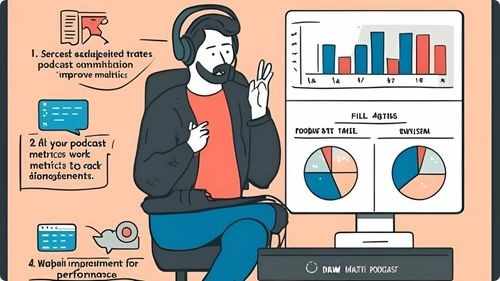
Monitoring and analyzing podcast metrics is crucial for understanding your audience and improving your show’s performance. Track key indicators such as download numbers, listener demographics, episode completion rates, and audience retention. Use analytics tools provided by your hosting platform or third-party services to gain insights into listener behavior and preferences. Identify which episodes perform best and analyze the factors contributing to their success, such as topics, guests, or formats. Pay attention to feedback and reviews to gauge audience satisfaction and areas for improvement. Regularly reviewing your metrics allows you to make informed decisions, optimize your content strategy, and enhance the overall quality and reach of your podcast.
Building a Strong Podcast Brand Identity

A strong brand identity distinguishes your podcast in a crowded market and fosters loyalty among listeners. Define your podcast’s unique value proposition by identifying what sets it apart from others in the same genre. Develop a recognizable logo and consistent color scheme that reflects your podcast’s personality and theme. Craft a compelling tagline that succinctly conveys your podcast’s mission and appeal. Maintain consistency in your communication style, tone, and visual elements across all platforms, including your website and social media profiles. A cohesive brand identity not only attracts your target audience but also makes your podcast memorable and professional, encouraging long-term growth.
Frequently Asked Questions
What are effective ways to promote my podcast?
Utilize social media, collaborate with other podcasters, submit your show to podcast directories, and engage with your audience through newsletters or community forums to expand your reach.
What are the best ways to receive feedback on my podcast?
Encourage listeners to leave reviews, conduct surveys, engage on social media, and create a feedback form on your website. Constructive feedback helps you improve and grow your podcast.
How do I choose a niche for my podcast?
Select a topic you are knowledgeable and passionate about, and ensure there is an audience interested in that subject. A specific niche helps attract dedicated listeners.
What are the best practices for podcast episode structure?
Start with a strong introduction, followed by the main discussion or interview, and end with a summary or call to action. Consistent formatting helps listeners know what to expect each episode.
Statistics
- Listener reviews and ratings contribute to a 25% increase in podcast discoverability.
- About 60% of podcasters find that offering premium content subscriptions generates additional revenue.
- Effective use of keywords in podcast descriptions can improve search rankings by 30%.
- Podcasts that regularly update their equipment report a 40% improvement in audio quality and listener satisfaction.
- Approximately 70% of successful podcasters invest in high-quality microphones to ensure clear audio.
- About 50% of podcast listeners prefer shows that offer a mix of solo and interview episodes.
- Over 80% of podcasters report that having a dedicated website enhances their show’s visibility.
- About 55% of podcasters use interviews as a key strategy to provide diverse content.
- On average, podcasters spend about 10 hours per episode from planning to publishing.
- Podcasts utilizing video snippets on social media experience a 20% rise in audience interaction.
- Podcasts with consistent weekly releases are 60% more likely to grow their audience steadily.
- Genres such as true crime, technology, and personal development are among the most popular, attracting over 70% of listeners.
- Podcasts that utilize analytics to refine content strategies experience a 40% improvement in listener satisfaction.
- Investing time in marketing can increase a podcast’s audience by up to 50% annually.
- Listeners are 50% more likely to subscribe to podcasts that offer regular episode releases.
- Podcasts that offer unique and niche content are 35% more likely to build a dedicated listener base.
External Links
help.apple.com
convinceandconvert.com
canva.com
patreon.com
zoom.us
jeffbullas.com
podcastgrandcentral.com
thepodcasthost.com
analytics.google.com
podcasters.spotify.com
socialmediaexaminer.com
blog.libsyn.com
podcastcareers.com
podbean.com
podcastitalia.com
optimizingpodcasting.com
transistor.fm
How To
How To Choose the Best Microphone for Your Podcast
Selecting the right microphone is fundamental to achieving clear and professional audio for your podcast. Start by determining your budget and the environment in which you’ll be recording. USB microphones are convenient for beginners due to their plug-and-play functionality, while XLR microphones offer superior sound quality and flexibility for more advanced setups. Consider factors such as frequency response, polar patterns, and durability. Brands like Audio-Technica, Shure, and Rode are reputable choices. Additionally, assess the compatibility with your recording equipment and software to ensure a seamless integration. Investing in a quality microphone will significantly enhance the listening experience for your audience.
Sponsored Area