How to Create an Audio Podcast for Beginners (Step-by-Step) to (Start To Finish)
2,590 View

- Publish Date:
- September 23, 2026
- Category:
- Learn to Podcast
- Video License
- Standard License
- Imported From:
- Youtube
In this video, we break down 10 essential steps to kickstart your audio podcast journey in 2024.
You will learn how to define your podcast idea, select gear, name your podcast, craft a short description, and navigate through editing and distribution platforms; we’ve got you covered!
Thinking of starting your podcast journey? Grab our FREE 10-step guide to starting an audio podcast right here 👉 https://www.richcardonamedia.com/resourcelibrary
🎙️ CHAPTERS 🎙️
00:00 - Introduction
00:47 - #1 your idea
01:58 - #2 naming your podcast
03:20 - #3 podcast short description
05:16 - #4 gear
06:14 - #5 record the short description
06:53 - #6 editing your podcast
07:44 - #7 cover art and music
09:15 - #8 podcast host
10:13 - #9 publish
10:45 - #10 check for distribution
11:44 - why you should have an audio only podcast
🎙️ CONNECT WITH ME 🎙️
LinkedIn: https://www.linkedin.com/in/richcardona/
Instagram: https://www.instagram.com/podcastrich/
X: https://twitter.com/richcardona_
Website: https://richcardonamedia.com/
✅ Gear recommendations: https://www.amazon.com/shop/richcardona_
Other Mentioned Items:
✅ Shield APP: https://www.shieldapp.ai/?via=richard
✅ Captivate: https://www.captivate.fm/signup?ref=richcardona1
✅ Riverside: http://www.riverside.fm/?via=richard
-----------------------------------------
Podcast Pacing for Audience Engagement
🎙️ Want to capture your listeners’ attention and keep them hooked? Podcast Pacing for Audience Engagement is your guide to mastering the rhythm of compelling communication. You'll learn how to build a strong pacing foundation, shift your pace to add value, understand how your delivery is perceived, and use pacing to express authentic passion. Whether you're just starting out or looking to fine-tune your skills, this class will help you speak with greater impact and confidence.
👉 Click here to join the online course now and start creating podcasts your audience will love!
3 Must-Know Podcasting Tips for Your Show
Utilizing Transcriptions to Enhance Accessibility

Providing transcriptions of your podcast episodes can significantly enhance accessibility and reach a broader audience. Transcriptions cater to individuals who are deaf or hard of hearing, ensuring that your content is inclusive. They also benefit listeners who prefer reading over listening or want to reference specific parts of an episode quickly. Additionally, transcriptions improve your podcast’s SEO, as search engines can index the text, making your content more discoverable. Offering transcriptions on your website or as downloadable files adds value for your audience and demonstrates your commitment to accessibility. Incorporating transcriptions into your podcast strategy can lead to increased engagement and a more diverse listener base.
Encouraging Listener Interaction and Feedback
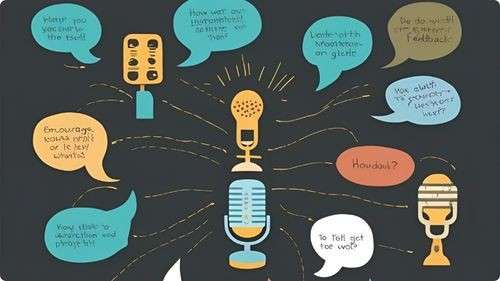
Fostering interaction and feedback from your listeners can enhance engagement and improve your podcast’s content. Invite listeners to share their thoughts, questions, and suggestions through various channels such as social media, email, or your podcast’s website. Incorporate listener feedback into your episodes by addressing common questions or discussing popular topics, making your audience feel valued and involved. Create opportunities for interaction, such as Q&A sessions, polls, or live recordings, to further engage your listeners. Responding to comments and acknowledging feedback builds a strong community around your podcast, encouraging loyalty and word-of-mouth promotion.
Crafting Compelling Podcast Introductions

Your podcast introduction sets the tone for each episode and captures the listener’s attention from the start. Begin with a brief and impactful summary of the episode’s topic to inform your audience about what to expect. Use a consistent musical theme or jingle to create brand recognition. Introduce yourself and any co-hosts clearly, establishing a personal connection with your listeners. Incorporate a hook, such as a provocative question or an interesting fact, to pique curiosity. A well-crafted introduction not only engages listeners but also reinforces your podcast’s identity and purpose, encouraging them to continue listening.
Frequently Asked Questions
How important are podcast analytics?
Analytics help you understand your audience, track growth, and measure engagement. Use this data to refine your content strategy, improve listener experience, and make informed decisions about your podcast.
What equipment do I need to start a podcast?
To begin a podcast, you need a good quality microphone, headphones, a computer, and recording software. Additionally, consider investing in a pop filter and a soundproof space to enhance audio quality.
How do I determine the right tone and style for my podcast?
Consider your target audience and the subject matter. Whether formal, conversational, or humorous, ensure the tone aligns with your content and resonates with your listeners.
Should I use background music or sound effects in my podcast?
Background music and sound effects can enhance your podcast by setting the mood and emphasizing points. Use them sparingly to avoid distracting from the main content and maintain a professional sound.
How often should I release new podcast episodes?
Consistency is key. Whether weekly, bi-weekly, or monthly, establish a schedule that you can maintain to keep your audience engaged and coming back for more.
How can I create engaging podcast content?
Focus on topics you are passionate about, research thoroughly, and structure your episodes with a clear introduction, main content, and conclusion. Engaging storytelling and relevant information keep listeners interested.
Statistics
- Podcasts promoting their episodes on social media platforms see a 40% boost in new subscribers.
- Podcasts that engage with their audience through email newsletters see a 30% higher retention rate.
- Effective use of keywords in podcast descriptions can improve search rankings by 30%.
- Podcasts with consistent weekly releases are 60% more likely to grow their audience steadily.
- Podcasts that include detailed show notes experience a 50% increase in listener engagement.
- About 60% of podcasters find that offering premium content subscriptions generates additional revenue.
- Over 80% of podcasters report that having a dedicated website enhances their show’s visibility.
- About 50% of podcast listeners prefer shows that offer a mix of solo and interview episodes.
- Listeners prefer podcast episodes that range between 30 to 45 minutes, with 65% favoring this duration.
- Approximately 70% of successful podcasters invest in high-quality microphones to ensure clear audio.
- Investing time in marketing can increase a podcast’s audience by up to 50% annually.
- Podcasts with interactive segments, such as Q&A sessions, see a 25% boost in audience participation.
- Podcasts that release episodes on Tuesdays and Thursdays see higher download rates by 30%.
- Approximately 65% of podcasters monetize their shows through sponsorships and advertising.
- Engaging storytelling techniques can increase listener retention rates by up to 50%.
- On average, podcasters spend about 10 hours per episode from planning to publishing.
External Links
shutterstock.com
thepodcasthost.com
audacityteam.org
podcastinsights.com
adobe.com
mailchimp.com
blog.libsyn.com
apple.com
ahrefs.com
jeffbullas.com
analytics.google.com
socialmediaexaminer.com
podcastcareers.com
podcastmovement.com
radiopublic.com
listennotes.com
patreon.com
How To
How To Use Feedback Loops to Improve Your Podcast
Implementing feedback loops allows continuous improvement of your podcast based on listener input. Start by actively seeking feedback through surveys, social media interactions, and direct listener engagement during your episodes. Analyze the feedback to identify recurring themes, strengths, and areas needing improvement. Use this information to make informed decisions about content, format, and delivery, ensuring your podcast meets the preferences and expectations of your audience. Communicate the changes you make based on feedback to your listeners, showing that you value their input and are committed to enhancing their listening experience. Additionally, monitor the impact of these changes by tracking relevant metrics and further seeking feedback to create a cycle of constant improvement, keeping your podcast relevant and engaging.
Sponsored Area