Don't Pay for Podcast Studios Until You See This
4,571 View

- Publish Date:
- November 17, 2026
- Category:
- Podcasting
- Video License
- Standard License
- Imported From:
- Youtube
Podcastor.AI (this is an affiliate link-no change in price for you but I get small commission)
https://social.podcastor.ai/Russell
Join Russell's newsletter
https://forms.aweber.com/form/61/763053361.htm
Russell's Patreon
https://www.patreon.com/TeacherTrainingVideos?view_as=patron
Russell's backgound
https://www.russellstannard.com/russell-stannard
00:00 Podcastor.AI-Ultmate Podcast Tool
00:49 Marker 1
01:06 3 ways to approach your podcast
02:45 Making an audio podcast
07:18 A quick look at the pricing
08:29 Making a podcast from a YouTube video
11:03 How to use your own voice
12:47 Looking at the result
13:34 Adding a thumbnail and cover
This is the ultimate AI podcast generator for teachers and language learners. Create a two-host audio or video podcast from any topic, PDF, website or YouTube video.In this video I show you Podcaster AI - an incredibly flexible tool that scripts, voices and builds your podcast for you. You can make an audio podcast or a video podcast, choose one host, two hosts or just audio, pick the voices or even clone your own voice, and control the language, length and style. What you'll learn:
How to generate a podcast from scratch in the Studio
How to turn a YouTube video, PDF, website link, text or blog into a podcast
How to edit, copy and download the script to share with students
How to set the level - e.g. B1 for English language learners
How to use your own cloned voice
How to render a video podcast, download audio, video, subtitles and share direct to YouTube or TikTok
Pricing and free trial explained - 12 mins audio or 5 mins video free
#AIPodcastGenerator #PodcasterAI #AIForTeachers
-----------------------------------------
Podcasting Success Strategies: Get Podcast Sponsorships
If you're podcasting and not tapping into sponsorship opportunities, you're leaving serious money on the table. With Podcasting Success Strategies: Get Podcast Sponsorships, you'll learn how to attract sponsors, build profitable alliances, and monetize your podcast like the pros.
💡 Inside this course, you’ll discover:
- How to find and approach sponsors—corporations, associations, foundations, and even individuals with marketing budgets.
- Strategies to leverage partnerships for paid promotion, brand credibility, and explosive audience growth.
- Why podcast sponsorship is one of the most underrated income streams for content creators.
- Techniques to position your podcast for high-profile guests and corporate endorsements.
- Real examples of how podcast sponsorships have created massive traction and influence.
You’ll also gain insights into how sponsorships can explode your visibility, build trust with your audience, and bring real ROI—without relying solely on ads or product sales.
🔥 Sponsorships are big business, and podcasts are the next frontier. Ready to get your piece of the pie?
👉 Enroll now and unlock the playbook for podcast sponsorship success!
3 Must-Know Podcasting Tips for Your Show
Integrating Music and Sound Effects Appropriately

Music and sound effects can significantly enhance the quality and appeal of your podcast when used appropriately. Select intro and outro music that reflects the tone and theme of your show, creating a consistent auditory brand identity. Use background music sparingly during episodes to complement the conversation without overpowering it. Incorporate sound effects to emphasize key points, transitions, or humorous elements, adding a dynamic layer to your content. Ensure that all audio elements are balanced and do not distract from the primary audio, maintaining a professional and polished sound. Thoughtful integration of music and effects can make your podcast more engaging and enjoyable for your listeners.
Optimizing Audio Quality for Clear Sound

High audio quality significantly impacts the listener experience. Start by recording in a quiet environment to reduce background noise and echoes. Use a quality microphone and position it correctly to capture clear sound without distortion. Implement soundproofing measures, such as foam panels or blankets, to enhance acoustics. During editing, remove any unwanted noise and balance audio levels to ensure a smooth listening experience. Incorporate compression and equalization to fine-tune the sound. Clear and crisp audio not only makes your podcast more enjoyable but also reflects your commitment to professionalism, encouraging listeners to stay engaged.
Writing Effective Show Notes for Each Episode
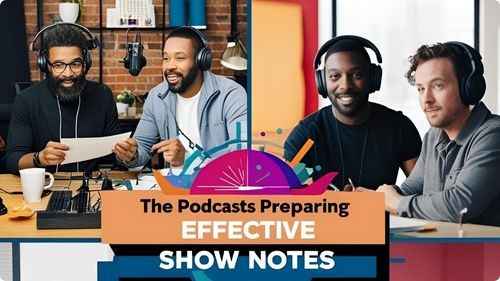
Show notes play a crucial role in enhancing your podcast’s accessibility and SEO performance. Start with a clear and concise summary of the episode, highlighting key topics and takeaways. Include timestamps to help listeners navigate to specific sections of the conversation easily. Provide detailed information about any resources, books, or tools mentioned during the episode, along with relevant links. Incorporate keywords naturally to improve search engine rankings and make your content more discoverable. Additionally, use show notes to promote upcoming episodes, special guests, or related content, encouraging ongoing listener engagement. Well-crafted show notes serve as a valuable reference for your audience and contribute to your podcast’s overall professionalism.
Frequently Asked Questions
How do I engage with my podcast audience?
Respond to listener feedback, encourage comments and questions, create interactive content, and build a community through social media or dedicated platforms to foster a loyal listener base.
How can I make my podcast stand out in a crowded market?
Develop a unique voice, focus on a specific niche, deliver consistent quality, and engage authentically with your audience. Creative content and distinct branding also help differentiate your podcast.
How can I incorporate interviews into my podcast?
Plan your questions in advance, ensure good audio quality for both parties, and create a comfortable environment for your guest. Interviews add variety and different perspectives to your show.
What should I include in my podcast's intro and outro?
Your intro should introduce the podcast and set the tone, while the outro can include a summary, thank you message, and a call to action, such as subscribing or following on social media.
Statistics
- Podcasts that offer unique and niche content are 35% more likely to build a dedicated listener base.
- Podcasts that include detailed show notes experience a 50% increase in listener engagement.
- Listeners are 50% more likely to subscribe to podcasts that offer regular episode releases.
- Listeners prefer podcast episodes that range between 30 to 45 minutes, with 65% favoring this duration.
- Podcasts with eye-catching cover art are 45% more likely to attract new listeners.
- Podcasts with interactive segments, such as Q&A sessions, see a 25% boost in audience participation.
- Podcasts utilizing video snippets on social media experience a 20% rise in audience interaction.
- About 55% of podcasters use interviews as a key strategy to provide diverse content.
- Investing in professional editing services can enhance the overall quality of a podcast, leading to a 30% increase in positive feedback.
- Genres such as true crime, technology, and personal development are among the most popular, attracting over 70% of listeners.
- Engaging storytelling techniques can increase listener retention rates by up to 50%.
- Approximately 40% of podcasters use background music to enhance the listening experience.
- About 50% of podcast listeners prefer shows that offer a mix of solo and interview episodes.
- Podcasts that engage with their audience through email newsletters see a 30% higher retention rate.
- Podcasts that release episodes on Tuesdays and Thursdays see higher download rates by 30%.
- Podcasts that regularly update their equipment report a 40% improvement in audio quality and listener satisfaction.
External Links
podcastitalia.com
inc.com
anchor.fm
podcastcareers.com
help.apple.com
transistor.fm
audacityteam.org
blog.libsyn.com
apple.com
ahrefs.com
canva.com
convinceandconvert.com
radiopublic.com
zoom.us
shutterstock.com
adobe.com
buzzsprout.com
How To
How To Use Content Repurposing to Maximize Your Podcast’s Reach
Content repurposing maximizes your podcast’s reach by transforming existing episodes into various formats to attract different audience segments. Start by creating show notes or blog posts that summarize each episode, incorporating key points and relevant links to enhance SEO and provide additional value for readers. Convert audio content into video by adding visuals, such as audiograms or full video recordings, and upload them to platforms like YouTube or Vimeo. Extract quotes or highlights from episodes to create social media posts, making them easily shareable and engaging on platforms like Instagram, Twitter, and Facebook. Develop infographics or slide decks based on episode content to visually represent information and increase shareability. Additionally, consider turning your podcast into a newsletter, providing exclusive content or episode highlights to your subscribers. Repurposing content in these ways extends the lifespan of your podcast episodes and reaches a broader audience across different media channels.
Sponsored Area