14 Years of Podcasting Wisdom in 39 Minutes
5,670 View

- Publish Date:
- November 18, 2026
- Category:
- Podcasting
- Video License
- Standard License
- Imported From:
- Youtube
This video is sponsored by @Riversidefm. Some of the links below are sponsored or affiliate links. This means I may earn a small commission if you buy something, or get paid when you click on them.
📒 Show Notes and Resources 📒
📘 Connect with Michael Stelzner
➡️ @SocialMediaExaminer
➡️ @MichaelStelzner
⚡️Discover how to make the one video that changes everything (Proven framework) ➡️ https://thinkmediacoaching.com/one-video-away?qr=3c1a403d-8105-4b83-98fd-1ecd6658757
=============================
📱 Subscribe and Listen to the Think Media Podcast HERE:
=============================
Apple: https://apple.co/2F3tmIS
Spotify: https://spoti.fi/36qevE8
=============================
This Video was Filmed Using:
=============================
Camera:
Amazon ➡️ https://geni.us/OtgK7lu
B&H ➡️ https://geni.us/eBARlSU
Lens:
Amazon ➡️ https://geni.us/LHY5yN
B&H ➡️ hhttps://geni.us/KbA64
Microphone:
Amazon ➡️ https://geni.us/F6Aln
B&H ➡️ https://geni.us/oXHfi
=============================
Our mission here at Think Media is to help 1 Million purpose-driven entrepreneurs go full-time doing what they love and making an impact through the power of video.
Here are the ways to work with us here at Think Media:
⚡️FREE CLASS: Watch our FREE YouTube class here: http://ThinkMasterclass.com
⚡️BOOK: Check out the #1 best-selling book YouTube Secrets here: https://ytsecrets.com/
For support inquires, or business inquiries, please go to https://courses.seancannell.com/think-media-support-page
Music provided by Epidemic Sounds. Start your free trial here ➡️ https://ThinkMediaSounds.com
Connect with Sean Cannell on Social Media
http://seancannell.com
https://www.linkedin.com/in/seancannell/
https://twitter.com/seancannell
https://instagram.com/seancannell
https://www.facebook.com/seanthinks
QUESTION — What videos would you like us to make on this channel?
About this video:
Welcome to the Think Media Podcast! In each episode, Sean Cannell from Think Media shares the importance of video marketing. This show will teach you the video marketing trends in 2026 and what is next for digital marketing. If you’re asking what are the social media marketing trends, then this video is for you.
Read through our YouTube disclaimer policy here: https://go.thinkmedia.com/youtube-disclaimer
#ThinkMediaPodcast #thinkpodcast #SeanCannell
-----------------------------------------
Podcast with Passion and Inspiration
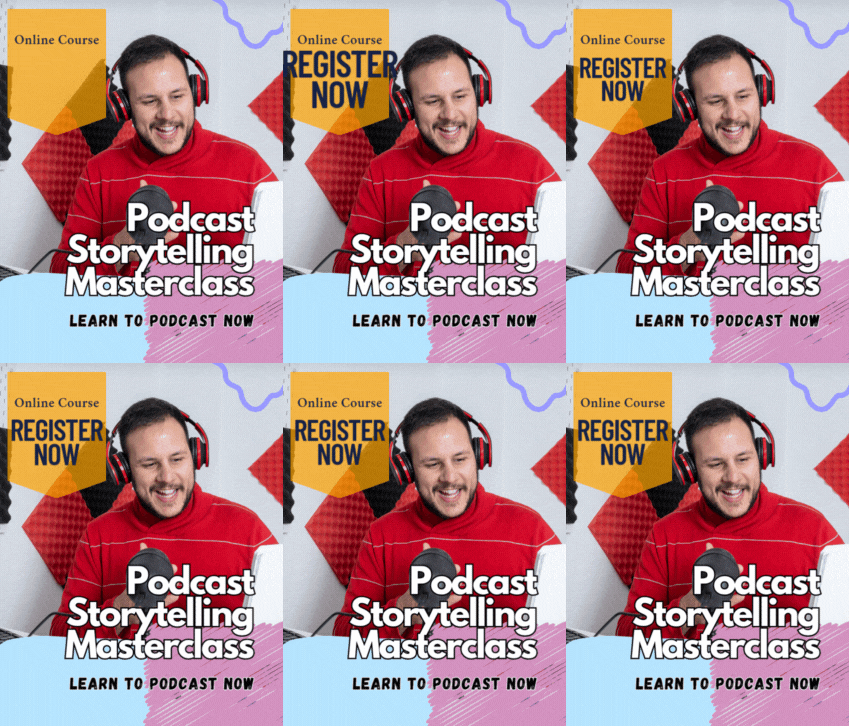
🎧 Want your podcast to truly inspire and connect with your audience? Podcast with Passion and Inspiration is the class that shows you how to express your authentic energy in every episode—even after multiple takes. Passion is what brings your words to life, and this course will help you tap into it deeply, whether you’re speaking solo or interviewing a guest.
You’ll explore what passion really is, why it’s essential for audience connection, and how to access it even if you don’t see yourself as a naturally passionate speaker. Learn how to move beyond the script, stay grounded in your message, and deliver content in a way that’s heartfelt, energetic, and unforgettable.
👉 Click here to join the online course now and start podcasting with purpose, power, and passion today!
3 Must-Know Podcasting Tips for Your Show
Monetizing Your Podcast Effectively

Monetizing your podcast can turn your passion into a sustainable venture. Explore various revenue streams such as sponsorships, where companies pay to have their products or services featured in your episodes. Implement affiliate marketing by promoting products and earning a commission on sales generated through your unique links. Offer premium content or exclusive episodes through subscription models or platforms like Patreon. Additionally, consider selling merchandise related to your podcast to your loyal audience. Hosting live events or offering consulting services can also provide income opportunities. Diversifying your monetization strategies ensures a steady revenue flow while maintaining the quality and integrity of your content.
Analyzing Podcast Metrics to Improve Performance

Monitoring and analyzing podcast metrics is crucial for understanding your audience and improving your show’s performance. Track key indicators such as download numbers, listener demographics, episode completion rates, and audience retention. Use analytics tools provided by your hosting platform or third-party services to gain insights into listener behavior and preferences. Identify which episodes perform best and analyze the factors contributing to their success, such as topics, guests, or formats. Pay attention to feedback and reviews to gauge audience satisfaction and areas for improvement. Regularly reviewing your metrics allows you to make informed decisions, optimize your content strategy, and enhance the overall quality and reach of your podcast.
Integrating Music and Sound Effects Appropriately

Music and sound effects can significantly enhance the quality and appeal of your podcast when used appropriately. Select intro and outro music that reflects the tone and theme of your show, creating a consistent auditory brand identity. Use background music sparingly during episodes to complement the conversation without overpowering it. Incorporate sound effects to emphasize key points, transitions, or humorous elements, adding a dynamic layer to your content. Ensure that all audio elements are balanced and do not distract from the primary audio, maintaining a professional and polished sound. Thoughtful integration of music and effects can make your podcast more engaging and enjoyable for your listeners.
Frequently Asked Questions
How often should I release new podcast episodes?
Consistency is key. Whether weekly, bi-weekly, or monthly, establish a schedule that you can maintain to keep your audience engaged and coming back for more.
How do I choose a niche for my podcast?
Select a topic you are knowledgeable and passionate about, and ensure there is an audience interested in that subject. A specific niche helps attract dedicated listeners.
What are effective ways to keep listeners coming back to my podcast?
Deliver consistent, high-quality content, engage with your audience, provide value in each episode, and build a strong connection through storytelling and relatable topics to retain listeners.
How can I make my podcast stand out in a crowded market?
Develop a unique voice, focus on a specific niche, deliver consistent quality, and engage authentically with your audience. Creative content and distinct branding also help differentiate your podcast.
How can I create a podcast script without sounding scripted?
Outline key points to stay organized, use conversational language, and practice speaking naturally. This approach ensures coherence while maintaining an authentic and engaging tone.
How important are podcast analytics?
Analytics help you understand your audience, track growth, and measure engagement. Use this data to refine your content strategy, improve listener experience, and make informed decisions about your podcast.
What legal considerations should I be aware of in podcasting?
Ensure you have rights to any music or content used, obtain necessary permissions for guest appearances, and adhere to copyright laws. Consider including disclaimers and privacy policies as needed.
Statistics
- Listeners are 50% more likely to subscribe to podcasts that offer regular episode releases.
- On average, podcasters spend about 10 hours per episode from planning to publishing.
- Guest appearances on podcasts can result in a 15% increase in subscriber numbers.
- Effective use of keywords in podcast descriptions can improve search rankings by 30%.
- Podcasts that regularly update their equipment report a 40% improvement in audio quality and listener satisfaction.
- Listener reviews and ratings contribute to a 25% increase in podcast discoverability.
- Approximately 70% of successful podcasters invest in high-quality microphones to ensure clear audio.
- Engaging storytelling techniques can increase listener retention rates by up to 50%.
- Over 80% of podcasters report that having a dedicated website enhances their show’s visibility.
- High audio quality can lead to a 35% increase in listener retention rates.
- Listeners prefer podcast episodes that range between 30 to 45 minutes, with 65% favoring this duration.
- Podcasts that release episodes on Tuesdays and Thursdays see higher download rates by 30%.
- Investing in professional editing services can enhance the overall quality of a podcast, leading to a 30% increase in positive feedback.
- Approximately 65% of podcasters monetize their shows through sponsorships and advertising.
- Podcasts utilizing video snippets on social media experience a 20% rise in audience interaction.
- Podcasts with interactive segments, such as Q&A sessions, see a 25% boost in audience participation.
External Links
hootsuite.com
inc.com
listennotes.com
analytics.google.com
podcastcareers.com
blog.podomatic.com
screencast-o-matic.com
jeffbullas.com
podcastinsights.com
anchor.fm
podcastitalia.com
shutterstock.com
convinceandconvert.com
socialmediaexaminer.com
radiopublic.com
buzzsprout.com
mailchimp.com
How To
How To Create a Podcast Episode Checklist
Creating a podcast episode checklist ensures that each episode meets your quality standards and follows a consistent workflow. Start by listing all the necessary steps from planning to publishing, such as topic selection, guest coordination, scriptwriting, and recording. Include pre-production tasks like researching, scheduling, and preparing questions or outlines. During production, ensure that all equipment is set up correctly and conduct sound checks to verify audio quality. Post-production tasks should cover editing, adding music or sound effects, and finalizing the episode file for upload. Incorporate quality control measures, such as reviewing the episode for errors and ensuring all elements are cohesive. Finally, include publishing steps like uploading to your hosting platform, writing episode descriptions, and promoting the release on social media and other channels. A comprehensive checklist helps maintain consistency and efficiency, resulting in high-quality podcast episodes.
Sponsored Area