50 Essential Podcast Tips in 15 Minutes | Beginner Podcasting Guide
28,629 View

- Publish Date:
- May 17, 2025
- Category:
- Podcasting
- Video License
- Standard License
- Imported From:
- Youtube
Discover the ultimate guide to podcasting success with 50 invaluable podcast tips covering recording, editing, promoting, and monetizing your podcast. Whether you're a beginner or seasoned creator, these beginner podcasting insights will enhance your show's quality and reach.
📺 Videos Mentioned
You Record, We'll Make the Clips for You - New Magic Clips from Riverside!
https://youtu.be/OHeY3koOv80
7 Best USB Microphones for Podcasters & Creators [2023]
https://youtu.be/JvRqzHmLiRY
STOP Focusing On The Wrong Thing | YouTube Algorithm Explained
https://youtu.be/nLi8D3Qfaf0
How to Build a Video Podcast Setup
https://youtu.be/u5JbKGlXsUs
Stop Making BORING Talking Head Videos
https://youtu.be/ZlRaPlod6xQ
Building a Pro Home Studio in a Small Space
https://youtu.be/LhUYF_0qyXE
Best Podcast Hosting Sites 2023
https://youtu.be/TnWA3D8OVDw
YouTube
https://youtu.be/tAQlNK1MPJw
How To Create Podcast Cover Art That Stands Out
https://youtu.be/umj9LFUmnsk
Riverside Mobile App Updates: New Features for iOS [April 2023]
https://youtu.be/Gb9aXv1mPTs
Use iPhone as Webcam with Continuity Camera in macOS Ventura
https://youtu.be/Pwr1CGjIYZo
Top Collaborative Podcast Tools: Planning, Recording & Publishing
https://youtu.be/jP9y75QO7_Y
How to Use Notion AI for Podcasting: Streamline Your Workflow
https://youtu.be/Yf9QFxmISw4
How to Produce the BEST Remote Video Interviews | Riverside Masterclass
https://youtu.be/Ty63v5HPwbU
Audio Effects Explained: How to Use Audio Effects to Fix Sound
https://youtu.be/mOs9mlJjX7I
Multicam Editing Guide for Final Cut & Premiere Pro
https://youtu.be/vz4h4bkhzvM
- YouTube
https://youtu.be/0ZJ408ZBa4A
Mastering Video Podcast Editing In Final Cut Pro
https://youtu.be/sneokKHiQ3I
Edit A Video Podcast For Free | DaVinci Resolve Tutorial
https://youtu.be/IXsR54AY4i8
How to Easily Import Recordings to Premiere Pro with Riverside
https://youtu.be/Ro9OOhIsS6E
5 Podcast Metrics to Track Performance (Spotify & Apple Podcasts)
https://youtu.be/-0LXMubQSHM
4 Ways to Use Podcast Transcriptions
https://youtu.be/1oD7yEAqLgA
🛒 Gear Mentioned
Wired Headphones
https://a.co/d/3n5rqxy
Mic Arm
https://a.co/d/2RHMfIn
Mobile Tripod
https://a.co/d/gwr8dlo
Small LED Light
https://a.co/d/jhhZWkJ
Key Light Air
https://a.co/d/90np3RO
Sound Treatment
https://a.co/d/9azcMOB
AutoPod
https://www.autopod.fm
Runway ML
https://runwayml.com
Chapters ➡
00:00 Introduction
00:30 10 Tips for Getting Started
03:30 10 Tips for Podcast Gear
06:27 10 Tips for Recording Interviews
09:16 10 Tips for Editing Podcasts
12:10 10 Tips to Stay Consistent
Download our Riverside app for iPad and iPhone:
👉 https://apps.apple.com/app/id1554443872
Download Riverside app for Android:
👉 https://play.google.com/store/apps/details?id=riverside.fm
---
Keep up to date:
Subscribe to on YouTube: https://www.youtube.com/channel/UCOaG…
Follow us on Twitter - https://www.twitter.com/riversidedotfm
Follow us on LinkedIn: https://www.linkedin.com/company/rive…
Like our Facebook page: https://www.facebook.com/riversidedotfm
Read our blog - https://www.riverside.fm/blog
---
Try Riverside Today: https://riverside.fm/?utm_source=youtube&utm_medium=organic&utm_campaign=50+Essential+Podcast+Tips+in+10+Minutes:+Ultimate+Guide+to+Recording,+Editing,+Promotion,+and+More!
⭐⭐⭐ About Riverside.fm ⭐⭐⭐
Riverside.fm is the leading remote recording platform that makes professional podcast creation achievable by anyone, anywhere. The platform has easy-to-use tools to help podcasters record, edit, and promote their show.
The company, founded by brothers Gideon (CTO) and Nadav (CEO) in 2020, already helps 70,000+ podcasters and companies, including Guy Raz, Gary Vaynerchuk, Marvel, The New York Times, and Disney to record studio-quality interviews from anywhere, with no loss in recording quality.
-----------------------------------------
Podcast in The Classroom - Kindergarten to High School
Looking for a fun and engaging way to teach students? Podcasting in the Classroom is an incredible tool that brings multimedia learning to life! Whether you're teaching Kindergarten or High School, this course will show you how to use podcasts to enhance learning, engage students, and even involve parents.
In this course, you’ll learn how to:
✅ Use podcasts as an interactive tool to engage your students
✅ Teach students how to create their own podcasts
✅ Keep parents and students up-to-date with podcast updates
✅ Review and improve teaching performance through podcasts
✅ Overcome common challenges like copyright and privacy concerns
With over one billion podcast subscribers worldwide, your students are likely already listening to podcasts — now, let them create their own! 📚
👉 Click here to enroll now and take your teaching to the next level with podcasts.
Make learning more interactive and fun — let's get podcasting in the classroom! 🎤
3 Must-Know Podcasting Tips for Your Show
Integrating Music and Sound Effects Appropriately

Music and sound effects can significantly enhance the quality and appeal of your podcast when used appropriately. Select intro and outro music that reflects the tone and theme of your show, creating a consistent auditory brand identity. Use background music sparingly during episodes to complement the conversation without overpowering it. Incorporate sound effects to emphasize key points, transitions, or humorous elements, adding a dynamic layer to your content. Ensure that all audio elements are balanced and do not distract from the primary audio, maintaining a professional and polished sound. Thoughtful integration of music and effects can make your podcast more engaging and enjoyable for your listeners.
Ensuring Legal Compliance in Your Podcast
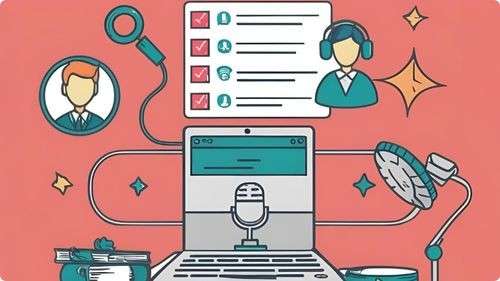
Maintaining legal compliance is essential to protect your podcast and its content from potential issues. Secure the necessary rights and licenses for any music, sound effects, or third-party content you use in your episodes to avoid copyright infringement. Obtain permission from guests to record and distribute their contributions, and consider having them sign release forms to formalize their consent. Be mindful of privacy laws by respecting the confidentiality and personal information of your listeners and participants. Additionally, adhere to advertising regulations when incorporating sponsorships or affiliate marketing, clearly disclosing any paid partnerships. Staying informed about relevant laws and regulations ensures that your podcast operates smoothly and mitigates legal risks.
Monetizing Your Podcast Effectively

Monetizing your podcast can turn your passion into a sustainable venture. Explore various revenue streams such as sponsorships, where companies pay to have their products or services featured in your episodes. Implement affiliate marketing by promoting products and earning a commission on sales generated through your unique links. Offer premium content or exclusive episodes through subscription models or platforms like Patreon. Additionally, consider selling merchandise related to your podcast to your loyal audience. Hosting live events or offering consulting services can also provide income opportunities. Diversifying your monetization strategies ensures a steady revenue flow while maintaining the quality and integrity of your content.
Frequently Asked Questions
What is a podcast hosting service and why do I need one?
A podcast hosting service stores your audio files and distributes them to various platforms. It provides essential analytics, ensures reliable delivery, and often offers tools for monetization and audience engagement.
How long should a typical podcast episode be?
Episode length can vary, but typically ranges from 20 to 60 minutes. Choose a duration that suits your content and keeps your audience engaged without overwhelming them.
How can I make my podcast stand out in a crowded market?
Develop a unique voice, focus on a specific niche, deliver consistent quality, and engage authentically with your audience. Creative content and distinct branding also help differentiate your podcast.
What role do podcast covers and branding play?
Visual elements like podcast covers and branding are crucial for making a strong first impression, attracting potential listeners, and conveying the essence of your show effectively.
Statistics
- Engaging storytelling techniques can increase listener retention rates by up to 50%.
- Podcasts promoting their episodes on social media platforms see a 40% boost in new subscribers.
- Podcasts with interactive segments, such as Q&A sessions, see a 25% boost in audience participation.
- Investing in professional editing services can enhance the overall quality of a podcast, leading to a 30% increase in positive feedback.
- About 55% of podcasters use interviews as a key strategy to provide diverse content.
- Effective use of keywords in podcast descriptions can improve search rankings by 30%.
- Podcasts utilizing video snippets on social media experience a 20% rise in audience interaction.
- Podcasts that release episodes on Tuesdays and Thursdays see higher download rates by 30%.
- About 60% of podcasters find that offering premium content subscriptions generates additional revenue.
- Investing time in marketing can increase a podcast’s audience by up to 50% annually.
- Podcasts that offer unique and niche content are 35% more likely to build a dedicated listener base.
- Podcasts that include detailed show notes experience a 50% increase in listener engagement.
- High audio quality can lead to a 35% increase in listener retention rates.
- On average, podcasters spend about 10 hours per episode from planning to publishing.
- Collaborating with other podcasters can lead to a 20% growth in listener base.
- Podcasts with consistent weekly releases are 60% more likely to grow their audience steadily.
External Links
socialmediaexaminer.com
hootsuite.com
podcastcareers.com
listennotes.com
podbean.com
blog.libsyn.com
podcastpage.io
thepodcasthost.com
inc.com
mailchimp.com
analytics.google.com
podcasters.spotify.com
podcastinsights.com
adobe.com
apple.com
ahrefs.com
convinceandconvert.com
How To
How To Create a Podcast Launch Strategy
Creating a podcast launch strategy ensures a successful introduction of your show to the public. Begin by defining your target audience and understanding their preferences and listening habits. Develop a content plan that includes multiple episodes ready for release, providing immediate value and encouraging listener engagement. Design a strong branding identity, including a memorable name, logo, and cover art, that reflects your podcast’s theme. Choose a reliable hosting platform and submit your podcast to major directories like Apple Podcasts, Spotify, and Google Podcasts. Create a promotional campaign that leverages social media, email newsletters, and collaborations with influencers or other podcasters to generate buzz around your launch. Additionally, consider offering incentives like giveaways or exclusive content to attract early listeners. A well-executed launch strategy sets the foundation for your podcast’s growth and success.
Sponsored Area