Bill Simmons Pulls The Plug On ChatGPT Ads After His Own Audience Said No
0 View

- Publish Date:
- November 14, 2026
- Category:
- Latest News
- Video License
- Standard License
- Imported From:
- Youtube
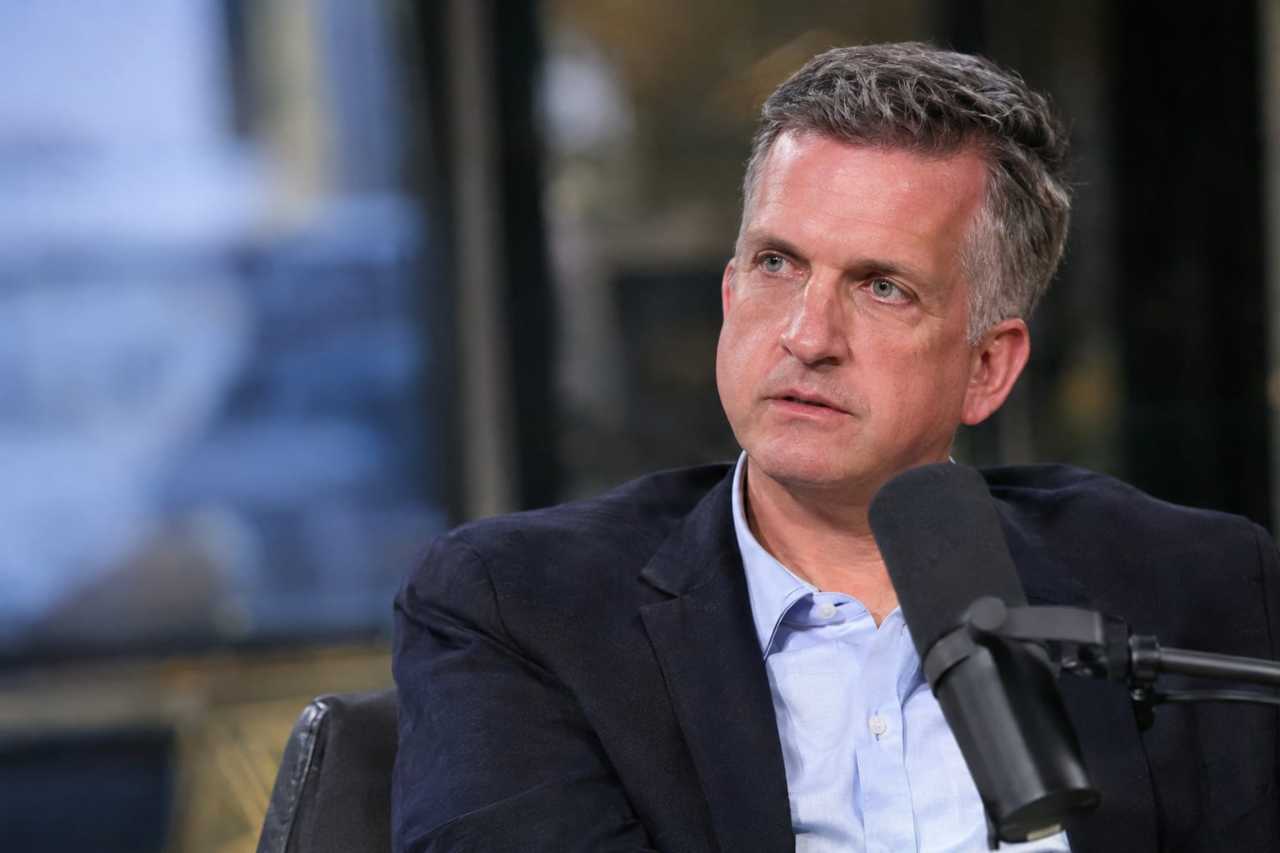
Bill Simmons tried something new. His audience hated it. So he killed it.
That's the whole story, really. But the details are worth digging into, because they say a lot about what happens when a company gets ahead of its own fans.
What Actually Happened
Simmons quietly ended The Ringer's sponsorship deal with OpenAI's ChatGPT, according to a report from Bloomberg this week. The deal had put AI-generated segments into some of his network's biggest shows, including "The Bill Simmons Podcast" and "The Ringer Fantasy Football Show." The idea was to weave ChatGPT prompts and research right into the conversation, baked into the content itself.
Simmons didn't dodge the decision. He told Bloomberg straight up: "Last spring, we thought we could integrate AI research for baked-in content segments for a couple of our shows the way some of our competitors were doing — I'm always going to try to be early instead of late on something. This time we learned almost immediately that those segments weren't a fit for us — our audience just didn't like them."
I love that line. "Early instead of late." That's a guy willing to test an idea before he knows if it'll work. I respect that more than I respect getting it right the first time.
The Ebert Problem
The backlash went beyond the fantasy football show. On "The Rewatchables," Simmons used ChatGPT to generate hypothetical movie reviews written in the style of Roger Ebert — the legendary critic who died in 2013. Ebert wasn't around to approve, obviously, and a lot of listeners weren't thrilled about putting words in a dead man's mouth.
Even people inside The Ringer pushed back. Sean Fennessey, who co-hosts "The Big Picture" and appears regularly on "The Rewatchables," didn't hold back when asked about it on "Talk Easy With Sam Fragoso" back in August.
"I don't like it. I've told Bill I don't like it," Fennessey said. He mentioned that he and fellow host Chris Ryan had both voiced their discomfort directly. And Fennessey added something that stuck with me — he said he wouldn't want AI recreating his own opinions after he's gone.
That's a pretty human reaction. Your voice, your takes, your personality — that's yours. Having a machine keep generating "you" after you're not around to argue back? That'd bother me too.
Why This Matters Beyond Podcasting
Here's the bigger picture. AI companies are pouring money into podcast advertising right now. OpenAI alone spent an estimated $11.2 million on podcast ads over the last three months. Combined with Anthropic, that number tops $13 million, according to Podscribe data cited by Bloomberg.
So the money's flowing in, hard. But money doesn't guarantee trust. Simmons found that out fast. His audience showed up for his opinions, his friends' banter, his actual takes on actual movies and games. They didn't sign up for a chatbot filling in the gaps.
I've built things before that sounded smart on paper and fell flat with real people. You don't always know until you try it and watch what happens. That's the whole point of experimenting — you find out quickly, you listen, and you adjust. Simmons didn't dig in and defend a bad call. He just said "this isn't working" and moved on.
That's worth remembering, whether you're running a podcast network or just deciding how much tech you want in your own life. Not every new tool belongs in every corner of what you do. Some things — a good story, a trusted voice, a critic's honest opinion — don't need automating. They need a human behind them.
What Happens Next
AI isn't going anywhere, and neither is the advertising money chasing it. The real question is where it actually adds something, and where it just gets in the way.
Simmons ran the experiment, got his answer, and changed course. That's not failure. That's how you figure things out — try it, see what sticks, drop what doesn't, keep moving. I'd call that a win.
Source: TheWrap
Earlier in this series: Want to Get on More Podcasts? A New Guide Says It's Simpler Than You Think
Sponsored Area