Who Says You Need a Film Degree to Learn Podcasting? NYU Just Made It Official
0 View

- Publish Date:
- November 13, 2026
- Category:
- Latest News
- Video License
- Standard License
- Imported From:
- Youtube
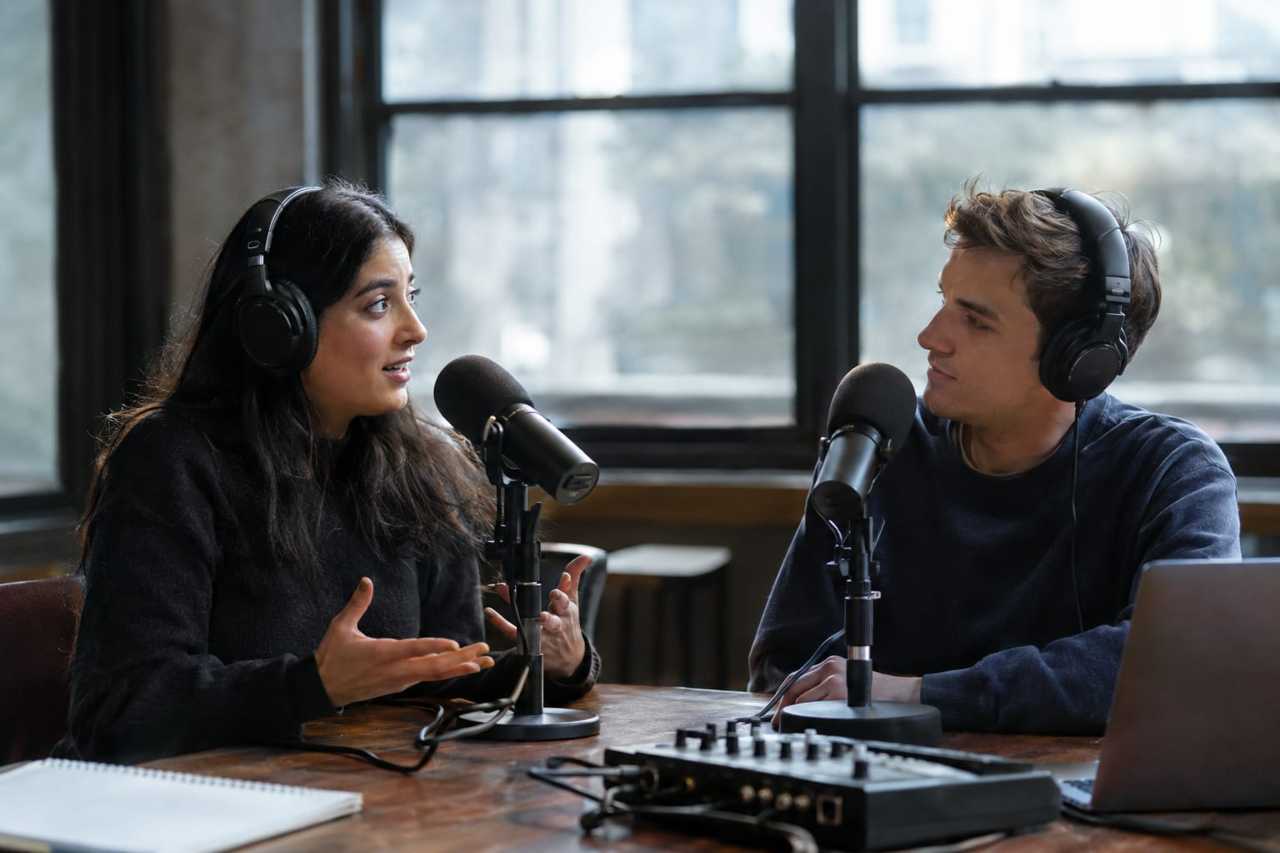
A few years ago, podcasting was something you did in your garage with a decent microphone and a dream. Now NYU Tisch School of the Arts wants to teach you how to do it right.
NYU Tisch and Yellowbrick just launched a new course called Podcasting Essentials. The idea? Combine the craft of podcasting with the business side, so you're not just learning how to tell a good story into a mic. You're learning how to build something that actually lasts.
That distinction matters more than it sounds like.
Two Different Skills, One Program
I've met plenty of people over the years who can tell a great story but have no idea how to turn it into something sustainable. And I've met just as many who understand marketing and monetization but couldn't hold a listener's attention for five minutes.
Podcasting, it turns out, requires both.
This new program from NYU Tisch, one of the most respected names in arts education, and Yellowbrick, a company known for online courses built around real industries, seems designed to close that gap. You learn the creative side — how to structure a show, interview well, edit for impact. And you learn the business side — how podcasts actually make money, build audiences, and survive past episode ten.
That's the part most people skip. They record a dozen episodes, get excited, then wonder why nobody's listening. Turns out there's a reason some podcasts turn into careers and most don't.
Why This Matters Right Now
Podcasting isn't a niche hobby anymore. It's a legitimate media format with real audiences, real advertisers, and real money moving through it. Companies run podcasts as marketing. Journalists run podcasts as their primary outlet. Regular people run podcasts as full-blown businesses.
So a structured program backed by a school like NYU Tisch isn't just academic credibility for credibility's sake. It's a signal that this medium has matured enough to deserve serious instruction, not just trial and error in your spare bedroom.
And here's what I find genuinely interesting: you don't need to move to New York or sit in a lecture hall to take it. Yellowbrick's whole model is built around accessible, online learning tied to creative industries. That means someone in Knoxville, or Nairobi, or on a sailboat somewhere in the Caribbean, can study the same material as someone a subway ride from Washington Square Park.
That's the kind of thing that gets my attention.
Learning Doesn't Care How Old You Are
I started traveling full-time back in 2017, and one thing I've learned along the way is that curiosity doesn't come with an expiration date. I'm closing in on 70, and I'm still asking "what happens if I try this?" about things I've never done before. Starting a podcast was one of them.
Nobody handed me a manual when I started. I learned by doing, by messing up, by figuring out the hard way what works and what doesn't. A program like this would have saved me a few headaches.
But here's the real point: it's never too late to pick up a new skill, whether you're 22 and fresh out of school or you're my age and just curious what it would be like to tell your own stories to the world. Podcasting doesn't care about your resume. It cares whether you show up, say something worth hearing, and keep showing up.
That's a pretty level playing field.
So What Does This Mean for You?
If you've ever thought about starting a podcast — about your travels, your business, your hobbies, your weird fascination with true crime or vintage cars or whatever lights you up — this is one more sign the door is wide open.
You don't need permission. You don't need a film degree. But if you want structure, mentorship, and a way to learn both the art and the business side without stumbling through it alone, programs like Podcasting Essentials exist now for exactly that reason.
The tools are more accessible than ever. The audience is already out there, scrolling through their phones looking for something worth listening to.
So the real question isn't whether you could start a podcast.
It's what's stopping you from trying.
Source: Knoxville News Sentinel
Read our previous article: A Podcast from India Just Became the Biggest One on YouTube
Sponsored Area