Want to Win Your Next Election? Start Talking Into a Microphone.
0 View

- Publish Date:
- November 11, 2026
- Category:
- Latest News
- Video License
- Standard License
- Imported From:
- Youtube
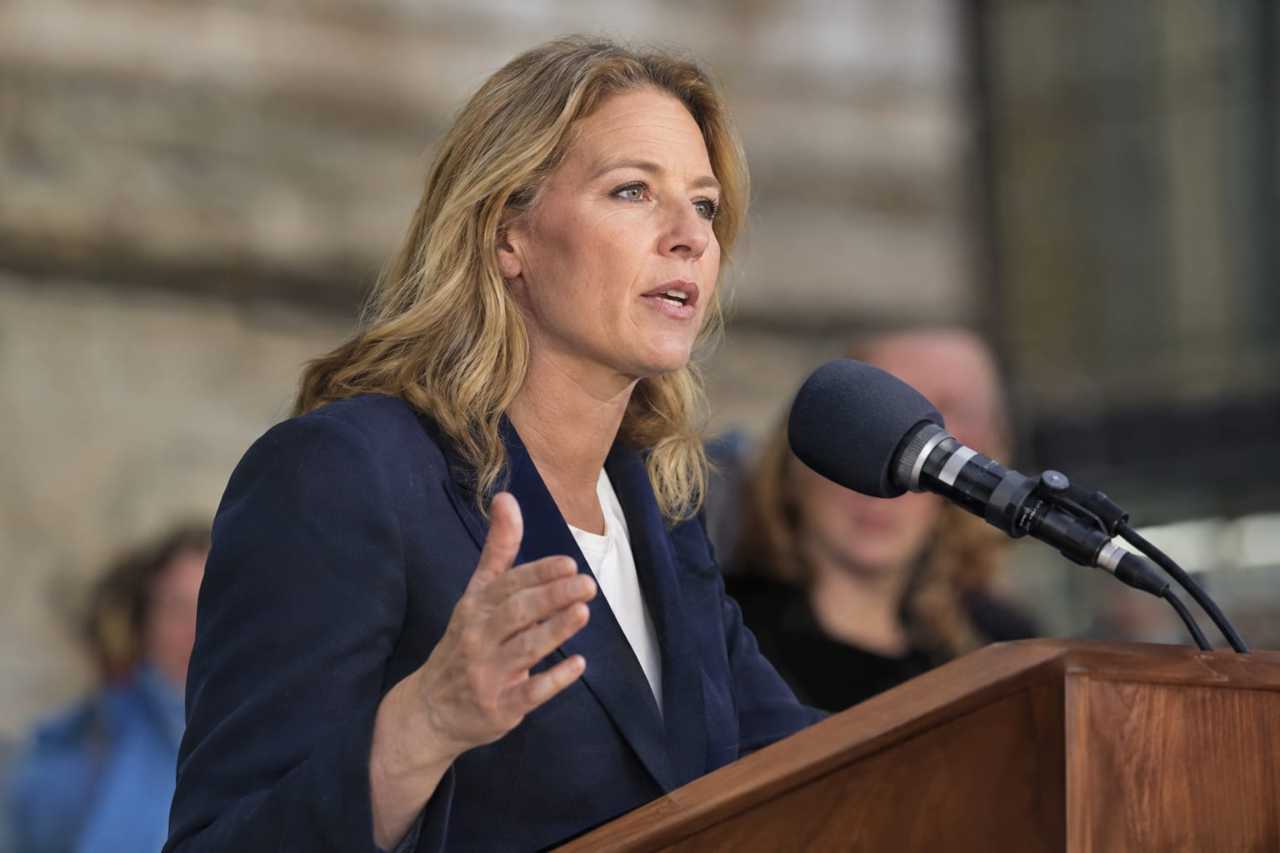
Here's a number that stopped me mid-coffee this morning: candidates who won their congressional races made nearly three times as many podcast appearances as the ones who lost.
Three times. Not ads. Not debates. Podcasts.
That's not a small gap. That's a pattern. And patterns make me curious.
Why would sitting down for an hour-long, unscripted conversation matter more than a 30-second TV spot? I've been turning that over since I read it.
The Old Playbook Is Breaking Down
For decades, winning a congressional seat meant the same formula. Raise money. Buy ads. Shake hands at diners. Repeat until election day.
Podcasts don't fit that playbook at all. There's no script. No 30-second window to land a soundbite. A host might ask you something you didn't prepare for. You might ramble. You might say something real.
And apparently, that's exactly what voters want more of.
I've spent years traveling full-time, moving through towns and countries where I don't know the local rules yet. The thing that helps me most isn't a polished brochure or a slick ad. It's a long conversation with someone who actually lives there. Messy, unscripted, real. That's where the useful information lives.
Maybe voters are figuring out the same thing. A 30-second ad tells you what a campaign wants you to think. An hour-long podcast shows you how a person actually thinks. Those are very different things.
Why This Shouldn't Surprise Anyone
Think about how you make decisions these days. When you're picking a doctor, a mechanic, or a place to eat in a city you've never visited, do you trust the billboard? Or do you trust the long, rambling review from someone who's actually been there?
I'll take the rambling review every time. It's harder to fake. You can hear when someone's improvising versus reciting talking points.
Podcasts work the same way. A host can push back. A candidate can't hide behind a teleprompter for 90 minutes. Listeners pick up on hesitation, humor, contradiction, conviction. It's a longer runway, and there's nowhere to land except the truth, or something close to it.
That's not a small shift in politics. That's a shift in how trust gets built.
What This Tells Us About Curiosity and Attention
I've built an audience myself, slowly, by sharing real stories from the road instead of polished press releases. What I've learned is that people don't want to be sold to anymore. They want to be let in.
A podcast lets you in. You hear the pauses. You hear the laugh. You hear the moment someone admits they don't have all the answers.
Congressional candidates who win more of those conversations probably aren't smarter or better funded. They're just more willing to show up unscripted and let voters sit with them a while.
That takes a kind of confidence. And confidence, it turns out, is contagious.
So What Does This Mean for You?
Maybe you're not running for Congress. But this still applies to you.
If you're trying to build trust with anyone, whether it's clients, readers, a new community after a move, or neighbors in a town you just landed in, the lesson is the same. Long, honest conversation beats a polished pitch almost every time.
I didn't start traveling full-time because I had a perfect plan. I started because I was curious what would happen if I just went. The plan came later, built from real conversations with real people who'd already figured pieces of it out.
That's the same instinct these winning candidates are tapping into. Sit down. Talk longer than feels comfortable. Let people hear you think out loud.
Where Does This Go Next?
I doubt this trend stops at Congress. Watch for it in local elections, in business, in how brands build loyalty. The polished ad isn't dead, but it's losing ground to the long-form, unscripted conversation.
So here's my question for you: where in your own life are you still relying on the 30-second pitch, when a longer, messier, more honest conversation would actually get you further?
Might be worth finding out.
Source: Mezha.net
Missed the last one? Message Heard's Collapse Is a Warning Shot for Anyone Freelancing in Podcasting
Sponsored Area