Radio's Fading, Podcasts Are Rising, and iHeartMedia Is Caught in the Middle
0 View

- Publish Date:
- November 10, 2026
- Category:
- Latest News
- Video License
- Standard License
- Imported From:
- Youtube
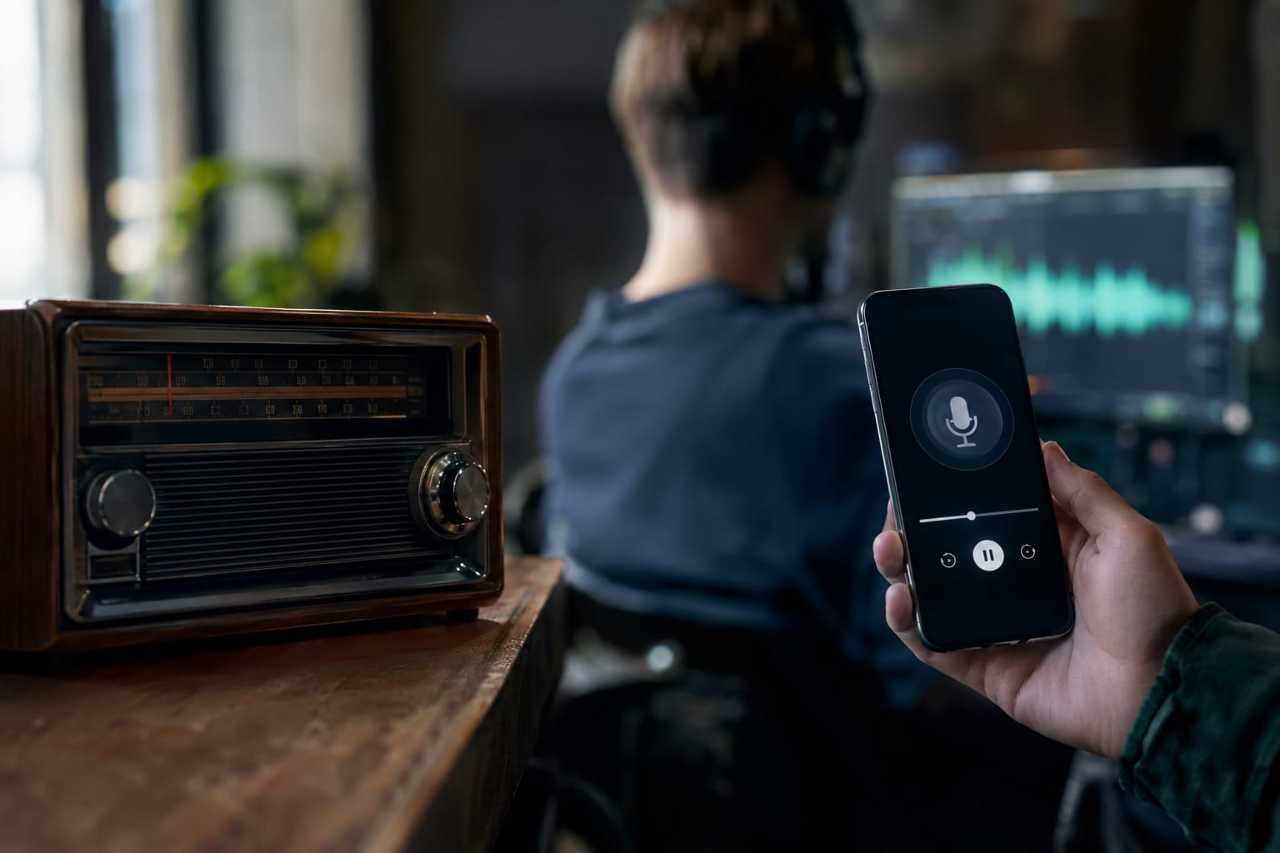
Here's a number that should make you pause: radio listening has been declining for years, and iHeartMedia's latest quarterly numbers prove it's not slowing down.
The company just released its Q3 2026 slides, and the story inside them is simple. Podcasts are growing. Traditional radio is shrinking. One is offsetting the other, at least for now. But how long can that balancing act last?
Why This Matters Beyond Wall Street
I don't own iHeartMedia stock, and I'm guessing most of you reading this don't either. So why should you care what's happening inside a radio company's earnings call?
Because this isn't really a story about a company. It's a story about how we listen.
I've been traveling full-time since 2017, and somewhere along the way, I stopped turning on the radio entirely. Not on purpose. It just... happened. Somewhere between a long drive through rural Portugal and a ferry crossing in Southeast Asia, podcasts quietly took over. Radio became something I'd only hear in a rental car, flipping through static trying to find a station in a language I understood.
iHeartMedia's numbers are basically confirming what millions of us have already done with our ears.
The Shift Didn't Happen Overnight
Radio built an empire on being local, live, and free. You turned the dial, and someone was talking to you in real time, from a building a few miles away.
Podcasts flipped that model. They're on-demand. They're niche. They don't care about your time zone or your commute schedule. I can listen to a show recorded in Nashville while sitting in a café in Chiang Mai, three days after it dropped, whenever I feel like it.
That's the appeal. Not the technology, the freedom. You choose what, when, and how long.
And that's exactly why iHeartMedia's slides show two trend lines moving in opposite directions. Podcasts fit how people actually live now. Radio asks people to fit into its schedule. Only one of those sounds like something I'd choose if I had the option.
Can Podcast Growth Keep Carrying the Company?
Here's the real question buried in those Q3 slides: is podcast revenue growing fast enough to cover what radio is losing, or is this just a slower version of the same decline?
Offsetting isn't the same as winning. If radio drops ten dollars and podcasts gain nine, you're still down a dollar. The slides say gains "offset" losses, which tells me the math is close, not comfortable.
I've learned something similar running my own ventures over the years. When one revenue stream shrinks, you don't just need a replacement, you need a replacement that's growing faster than the thing it's replacing. Otherwise, you're just rearranging the deck chairs and calling it a turnaround.
iHeartMedia clearly sees where the audience is going. They've invested in podcast networks for years now. The question is whether they can scale that fast enough while radio keeps bleeding listeners in the background.
What This Means for You
You don't need to own the stock to learn something from this.
Industries change because people change their habits first, and the companies catch up later. Radio didn't die because it got worse. It died, slowly, because something more flexible came along and people took it.
That's worth remembering next time you're stuck doing something a certain way just because that's how it's always been done. Is there a more flexible version of what you're doing? A way that fits your life instead of making you fit into a schedule?
I ask myself that question constantly, whether it's about how I travel, how I work, or what I listen to on a ten-hour layover. Age has nothing to do with it. Curiosity does.
Where This Goes Next
iHeartMedia's next few quarters will tell us whether podcasts can fully carry a company that radio built. My guess? The shift keeps moving one direction.
And honestly, that's fine by me. I've got a podcast queue a mile long and a flight to catch. The dial, as far as I'm concerned, can stay off.
Source: Investing.com Nigeria
Earlier in this series: Podcasts Are Raking In Ad Money—And I Want to Know Why
Sponsored Area