When Long-Term Care Operators Start Talking Like Humans
0 View

- Publish Date:
- November 7, 2026
- Category:
- Latest News
- Video License
- Standard License
- Imported From:
- Youtube
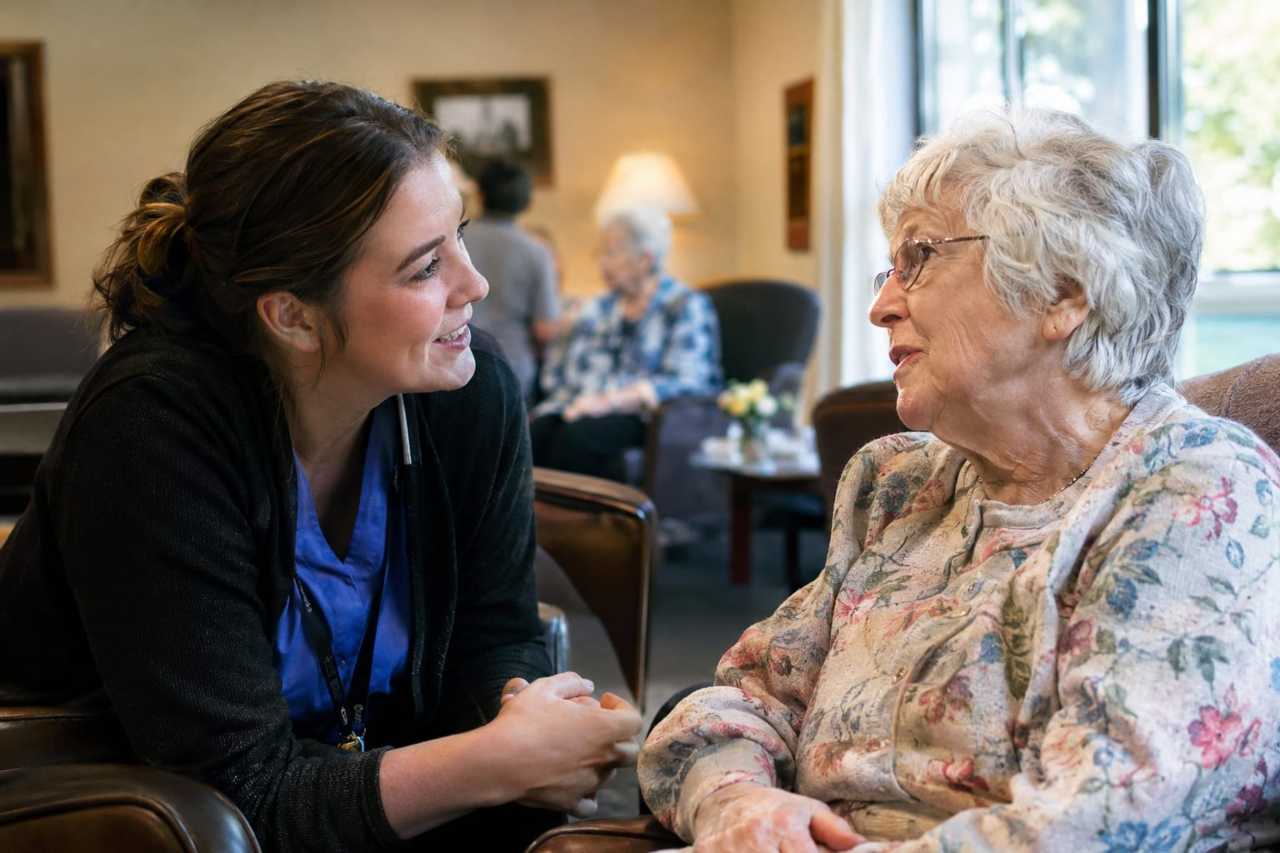
Picture a roomful of finance people, operators, and investors at a conference called eCapWest26. Now picture some of them stepping up to a microphone, not for a panel, not for a pitch deck, but for a podcast.
That's apparently what happened. McKnight's Long-Term Care News reported that operators jumped into the podcast spotlight at the event. No slides. No scripted talking points. Just people in the long-term care business talking out loud, on the record, in a format built for conversation.
Why does that matter? Because for an industry that's historically communicated through press releases, regulatory filings, and glossy brochures, picking up a microphone is a pretty big shift.
Why podcasts, why now?
I've spent years on the road since 2017, and if there's one thing travel teaches you, it's that people trust a voice more than they trust a logo. When someone tells you their actual story, mistakes and all, you lean in. When a company tells you a polished version of itself, you tune out.
Long-term care is one of those industries where trust is everything. Families aren't shopping for a hotel room. They're making decisions about where their mom or dad, or eventually themselves, will live out some of the most important years of their lives. That's not a decision people make off a brochure.
So it makes sense that operators are starting to show up where real conversations happen. Podcasts strip away the corporate gloss. You hear hesitation. You hear personality. You hear someone think through an answer instead of reciting one.
I'm almost 70 myself, and I'll tell you, the long-term care conversation isn't abstract to me. It's not something happening to other people somewhere down the road. It's part of the landscape I'm walking through right now, same as everyone my age. So when I see an industry trying to talk more honestly instead of more carefully, I pay attention.
The business case hiding inside the human one
Here's the part that's easy to miss. This isn't just about warm and fuzzy communication. It's a business move too.
Capital markets conferences like eCapWest26 exist because long-term care is a capital-intensive business. Buildings, staffing, regulation, financing, it all costs real money, and investors want to know who they're backing. A polished investor deck tells you numbers. A podcast tells you whether the person running the operation can think on their feet, admit a problem, or explain a decision without hiding behind jargon.
That's valuable information if you're deciding where to put your money. It's also valuable if you're a family deciding where to put someone you love.
What this says about the industry's future
I've learned over the years that when an industry starts changing how it talks, it's usually because the people it serves have already changed how they listen. Younger families researching care options for aging parents aren't flipping through brochures. They're searching, scrolling, and yes, listening. Podcasts fit how people actually consume information now.
It also says something about confidence. Stepping onto a podcast means you can't fully control the narrative. Anyone willing to do that is betting they've got something real to say, not just a message to deliver.
I find that encouraging, honestly. Long-term care is an industry people love to be skeptical about, and sometimes for good reason. But an operator willing to sit down, unscripted, and talk through the hard stuff? That's a different posture than hiding behind a press release.
Why it matters to you
If you're researching care options for a parent, or thinking ahead for yourself the way I think about my own next decade, pay attention to who's willing to talk openly and who isn't. The willingness to show up unscripted tells you something a marketing page never will.
And if you're just someone who, like me, believes adventure and curiosity don't come with an expiration date, it's worth noticing that even an industry built around aging is starting to ask the same question the rest of us keep asking: what happens if we just try talking honestly instead of selling?
Sometimes the most unconventional move is simply picking up a microphone and telling the truth.
Source: McKnight's Long-Term Care News
If you missed it: Danielle Savre Built a Podcast Empire From Her Living Room — and Learned an Industry in the Process
Sponsored Area