From Podcast Mic to Congress: How Fred Wellman Flipped a Red Seat
0 View

- Publish Date:
- November 6, 2026
- Category:
- Latest News
- Video License
- Standard License
- Imported From:
- Youtube
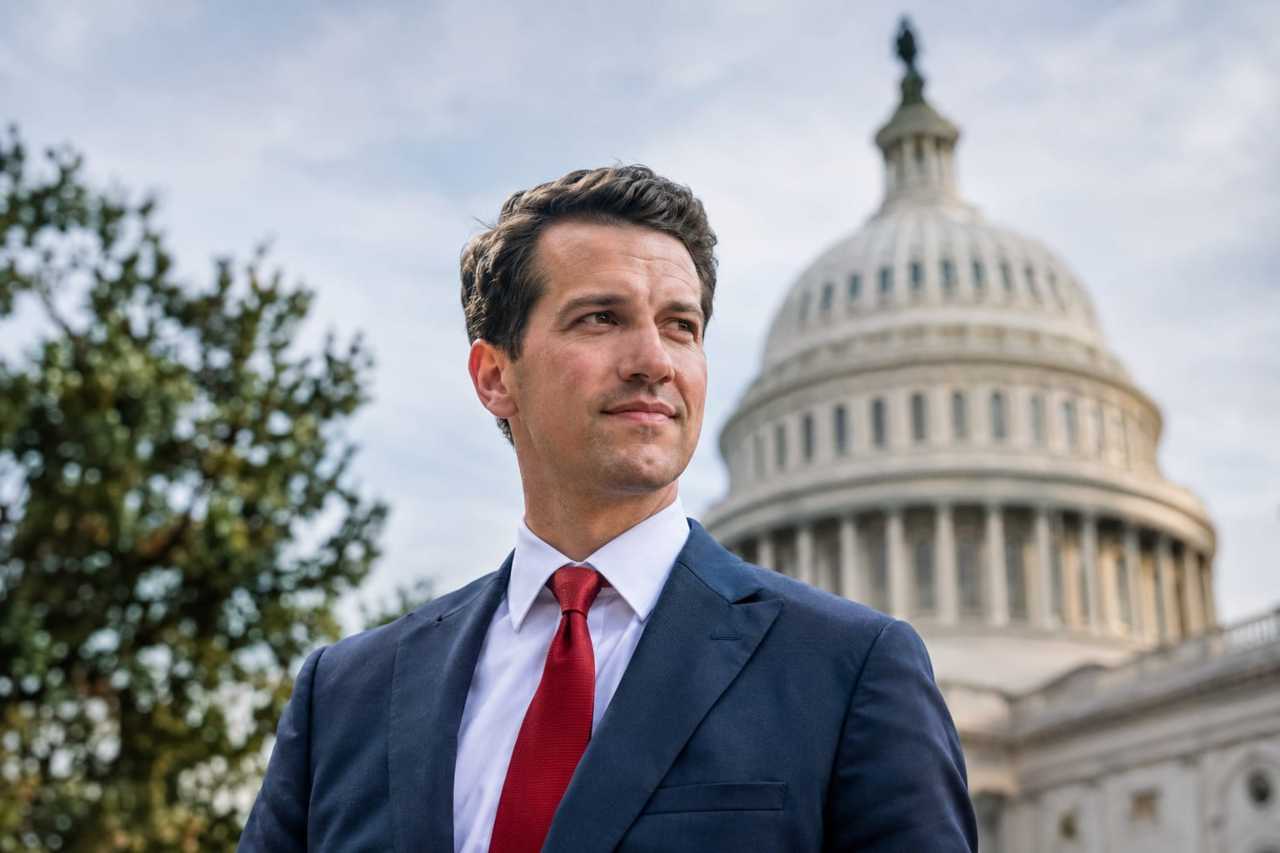
Steve Kornacki didn't even have a graphic ready.
That's how surprising Fred Wellman's win was on election night. NBC's numbers guy, the one who always has a chart for everything, got caught flat-footed when Missouri's second congressional district flipped from red to blue. Ann Wagner, the 14-year Republican incumbent, lost. A podcast host beat her.
That's a story worth digging into.
The "Flaming Liberal" Problem
Wellman is 61. He spent years as a US Army officer, then became a veterans advocate. But if you know his name, you probably know it from somewhere else: he hosts a podcast called On Democracy for the progressive MeidasTouch network, and he's built an online following of more than 358,000 people on X. He even met his fiancée there.
Wagner tried to use all of that against him. She dug up an old clip where Wellman called himself a "flaming liberal" and turned it into a campaign ad. In a conservative state like Missouri, that should've worked.
It didn't.
Why "Fred From Kirkwood" Beat "Fred the Podcaster"
Here's the move that mattered. Wellman grew up in Kirkwood, Missouri. Instead of running as a national anti-Trump media figure, he ran as a local guy who happened to have a podcast.
"I didn't want to be a national figure or national anti-Trump guy," he said. "I wanted to be Fred from Kirkwood."
That's not a small distinction. He told the Guardian he deliberately avoided leaning on his online fame, worried it would make voters think he was using the district as a stepping stone. So he did the unglamorous work instead — showing up in person, across the district, over and over.
It paid off. He pulled in labor support almost across the board, short of police and fire unions officially, though he says even their rank and file backed him.
That's the part I find interesting. In an age where everyone assumes social media reach equals political power, Wellman figured out the opposite was true for him. Being internet-famous was a liability until he proved, face to face, that he actually cared about the 759,000 people in his district. Clout doesn't substitute for showing up. Never has.
The Money Gap Nobody Talked About
This wasn't supposed to be close. Cook Political Report never moved the district off "safe Republican." Not once. Wagner started the race with $4.5 million. Wellman started with zero. National Democratic groups didn't send money or attention his way, which everyone read as a sign his campaign wasn't viable.
Wellman read it differently. He saw the numbers on the ground and believed Wagner was weaker than her reputation suggested. He bet on his own read of the district over the national narrative.
That's a gutsy call. Betting against the consensus, with your own time and reputation on the line, is exactly the kind of thing that separates people who try from people who just talk about trying.
What Happens Next
Orientation starts this Sunday in Washington. Wellman called it "Congressman 101." He's sworn the same oath he took at 17 in the Army, he said, but this time the job looks completely different.
He's blunt about what he owes the district now: transparency, honesty, and accountability to people who didn't vote for him. "I've got 759,000 bosses now," he said.
Four years of interviewing journalists, authors, and policy thinkers on his podcast gave him a head start, he thinks. Not much in Congress will catch him off guard that hasn't already crossed his radar in some form.
So What's the Lesson?
Wellman didn't win by being the loudest voice online. He won by refusing to let that be the whole story. He went local, stayed present, and let the work speak louder than the follower count.
Makes you wonder how many races get decided not by who has the biggest platform, but by who's actually willing to show up in the room.
Source: The Guardian
Missed the last one? Half of Britain Can't Stick to One Podcast App - And Honestly, Why Should They?
Sponsored Area