He Lost His Sight at 38 - So He Built a Microphone Out of the Darkness
0 View

- Publish Date:
- November 28, 2026
- Category:
- Latest News
- Video License
- Standard License
- Imported From:
- Youtube
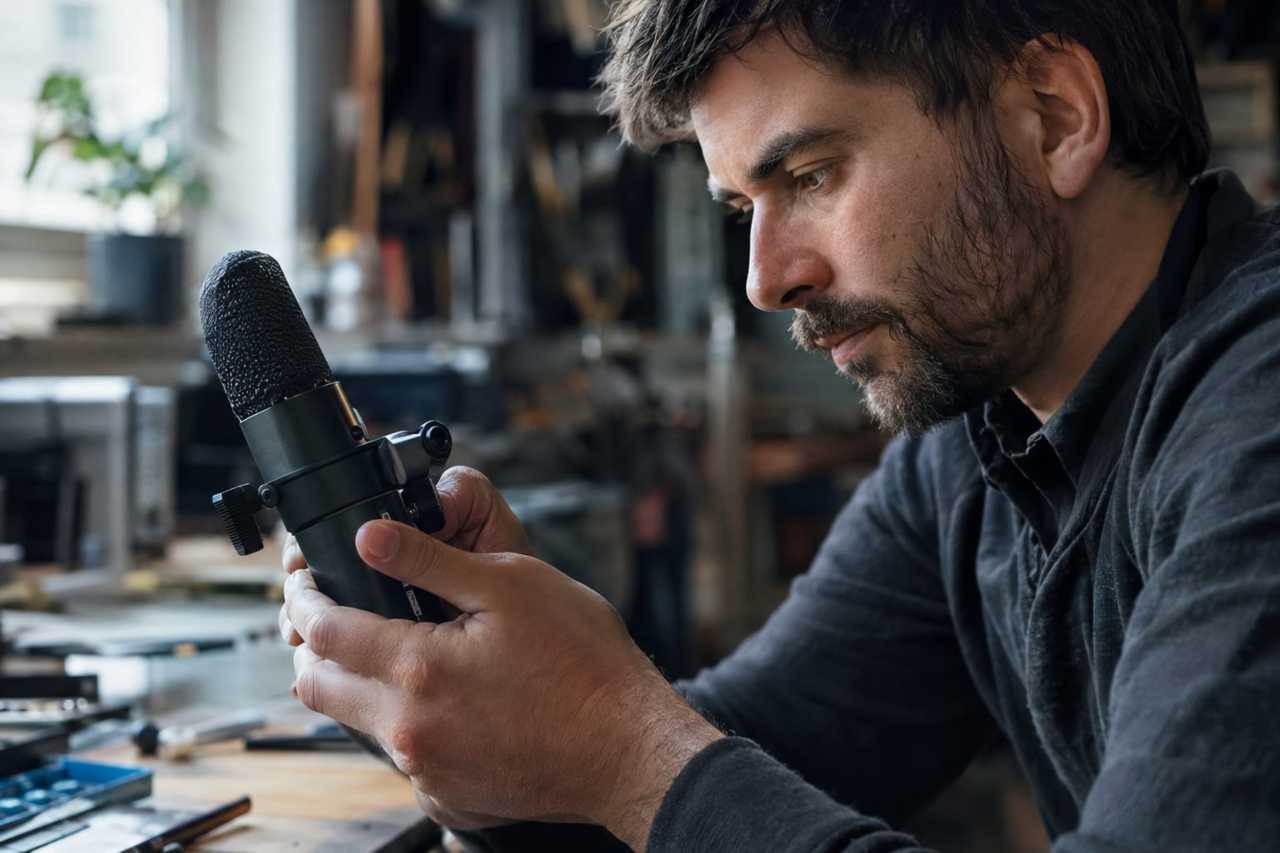
What do you do when the thing you've relied on your whole life suddenly starts disappearing?
Joe Edwards had two choices. Sit with it and let it crush him. Or find something good in it and run toward that instead.
He chose the second one. And honestly, that's the kind of decision that interests me every time I come across it.
A Diagnosis He Thought He'd Dodged
Edwards is 38, lives in Doncaster, and spent years thinking he'd gotten lucky. He was first tested for Leber Hereditary Optic Neuropathy at age 22 - a rare genetic condition that can cause sudden vision loss. The test came back fine. Life went on.
Then last May, his vision started slipping. A few weeks later, doctors confirmed what he thought he'd escaped. He did have the condition after all. And it was going to keep taking his sight, gradually, with no real way to stop it.
Try sitting with that for a second. You're 38. You've got a partner, three kids, a job, a whole life built around seeing the world clearly - and now you're told that's changing, piece by piece, with no timeline.
Edwards put it simply: "It has been a journey, it has been difficult at times... I could either be really sad - I don't think anybody would have blamed me for that - or I could have used it for some good."
From Talking to a Camera to Building a Podcast
Here's where it gets interesting. Edwards didn't start with a grand plan. He just started talking to a camera. Making YouTube videos. Getting whatever was in his head out into the world.
"I found myself creating YouTube videos and talking to a camera," he said. "It felt like therapy."
That turned into a podcast called About Going Blind, where he talks with people who've faced their own versions of adversity and found a way through. One guest became paralyzed from the waist down and later climbed Mount Kilimanjaro on crutches. Another, Sam Bagshaw, makes content about living with a stammer.
What strikes me about this is how ordinary the starting point was. He didn't wait until he had answers. He started recording while he was still figuring things out. Sometimes that's the only way anything gets built - you start before you're ready, and the clarity shows up later.
Adapting Without Giving Up the Things He Loves
Edwards is a Doncaster Rovers fan, and he wasn't about to let his eyes take that away from him either. He started making matchday vlogs and pushing for better audio descriptive commentary at games. He uses a headset now that lets him zoom in on players and follow the action across the pitch.
Technology, he says, has made a real difference. "It has been a real challenge at times, finding different ways of doing things. But technology has been a massive advantage for me."
He still works for a waste management company, though he's cut back from five days to four to ease the strain on his eyes. And at home, his family has adjusted right alongside him. His 20-year-old son goes to matches with him. His nine-year-old daughter helps him get ready in the mornings - pulling lunch out of the fridge, that kind of thing.
The hardest part, he admits, isn't the football or the job. It's watching his kids grow up without seeing it the way he used to. He leans on his phone now - zooming in on photos, catching details he'd otherwise miss. "It's a new normal," he said. "I have just got to get on with it."
Recently, he ran 2.5 kilometers on the runway at Doncaster Sheffield Airport, tethered to his daughter the whole way.
What's Next
Edwards wants to build a second season of the podcast. His bigger goal is becoming a voice for blind and visually impaired people - pushing for better access to the everyday things sighted people take for granted.
"I've experienced a lot of my life with my sight that I want to continue to experience," he said. "Granted they are all going to be different now, but I want that to be the case for other people as well."
That's really the whole lesson here, isn't it? The circumstances change. The way you experience life shifts. But the wanting to keep experiencing it - that part doesn't have to.
Source: BBC
If you missed it: A Podcast Without a Strategy Is an Expensive Hobby — And Bogdan Bratis Is Right
Sponsored Area