RTÉ's €800K Podcast Bill: Who's Really Footing This?
0 View

- Publish Date:
- November 27, 2026
- Category:
- Latest News
- Video License
- Standard License
- Imported From:
- Youtube
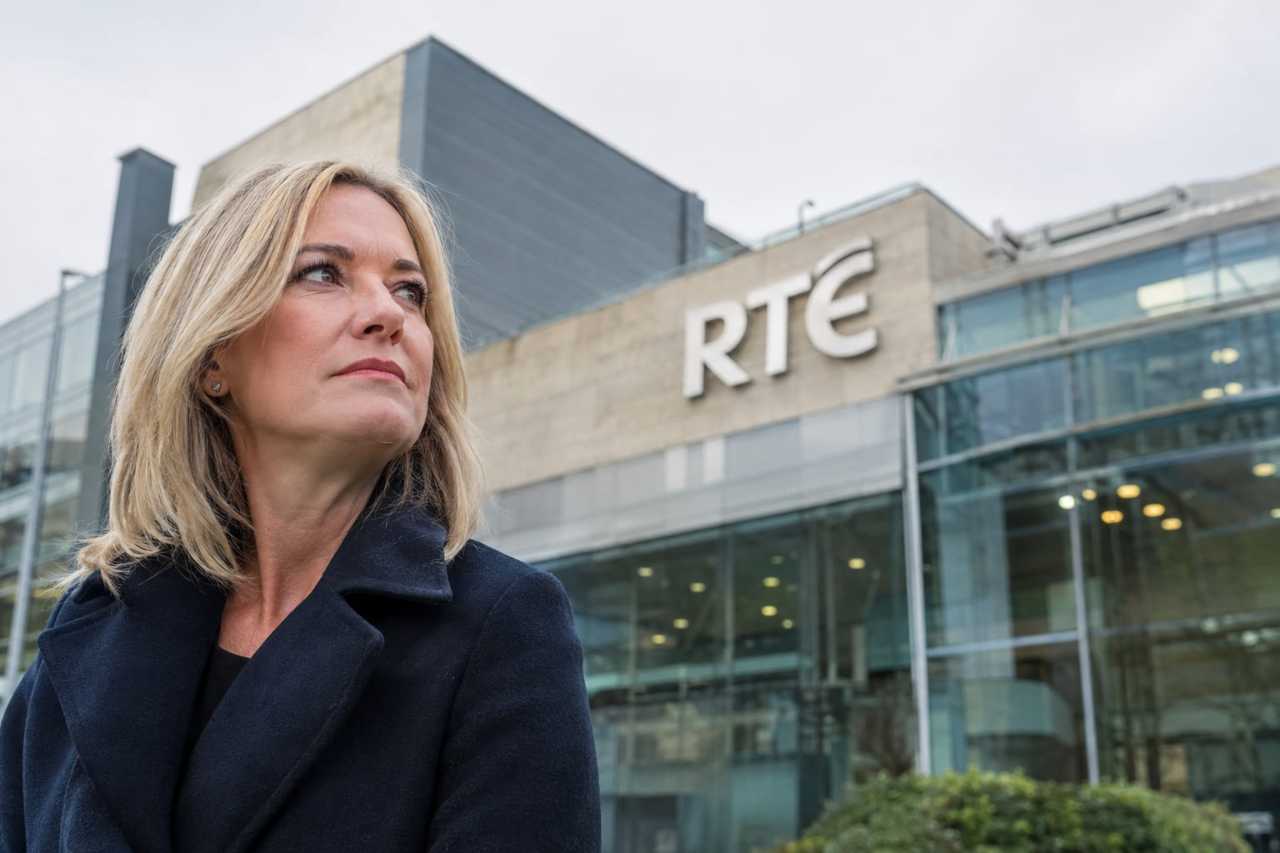
Ever notice how a billboard can make you ask questions you weren't planning to ask? That's what happened to Fine Gael TD Grace Boland. She kept seeing the same face — Ger Gilroy's — plastered across Dublin bus stops and train stations. And she wanted to know why.
So did a lot of people at the Oireachtas Public Accounts Committee this week.
The Podcast That Started It All
RTÉ spends roughly €800,000 a year making podcasts. That's not pocket change, and TDs wanted specifics. The spotlight landed squarely on Howler, RTÉ's new sports podcast fronted by former Newstalk sports presenter Ger Gilroy.
Director General Kevin Bakhurst confirmed the €800,000 figure without much hesitation. What he couldn't confirm, though, was how much RTÉ spent advertising Howler — including those billboards Boland couldn't stop noticing. Bakhurst said he'd get back to the committee with that number later.
Here's the thing: when you're spending public money, "I'll get back to you" doesn't exactly build confidence. It raises more questions than it answers. Why wasn't that figure ready to go? Who approved the campaign without flagging the cost upfront?
Fifteen Staff Wanted the Job. None Got It.
Maybe the bigger story isn't the billboards — it's how Gilroy landed the gig in the first place.
Bakhurst admitted that 15 internal RTÉ staff members put their names forward for the Howler role. Eight external candidates were also considered. In the end, none of the internal applicants were deemed suitable, and Gilroy — a familiar voice from Newstalk — got the nod.
Bakhurst conceded the decision "had not been explained well enough," though he pushed back on any suggestion the process lacked transparency. That's a fine distinction, and I'm not sure it'll land well with RTÉ Sport staff, who've already voiced frustration over how the whole recruitment played out — especially while the broadcaster is simultaneously cutting jobs.
Gilroy's on a three-year fixed contract. He'll likely rank among RTÉ's top 20 earners, though not the top 10. His actual salary wasn't disclosed. Bakhurst did say Howler is currently RTÉ's most successful podcast, and that the broader podcast operation is probably turning a profit.
So maybe it's working. But "probably making money" isn't exactly the kind of precision taxpayers deserve when public funding is involved.
Reform Promises Falling Behind
The podcast drama wasn't the only thing under the microscope. Department of Media Secretary General Feargal Ó Coigligh told the committee that RTÉ's promised reforms "have not kept pace with timelines originally set out." His words, not mine. He added they were "not progressing as quickly as possible."
That's part of why the Department withheld €20 million from RTÉ's expected 2027 funding. Ó Coigligh said the Minister factored in the slow pace of reform when deciding where to trim.
PAC chairman John Brady pointed out something that should concern anyone paying attention: there's no clear framework tying RTÉ's reform commitments directly to the release of public funds. And we're talking about a €725 million agreement here. That's taxpayer money, committed without a tight structure to ensure it's earned.
On staffing, Bakhurst insists RTÉ is still on track to cut 400 jobs by 2029. So far, 98 employees have left or had roles suppressed over the past two years — 68 through voluntary exits, 30 permanently cut. RTÉ expects another 100 reductions by the end of 2026, with a further voluntary exit scheme planned, pending approval from the Department of Public Expenditure.
Bakhurst also noted that nearly 90% of recommendations from the Expert Advisory Committee have already been implemented. That's progress, sure. But Fianna Fáil TD Paul McAuliffe wasn't convinced the pace matches the promises.
So What Does This Mean for You?
Public funding only works when there's trust. And trust comes from clarity — knowing exactly where the money goes and why.
When a national broadcaster can't produce an advertising figure on request, or explain a hiring decision clearly enough the first time, people start asking harder questions. That's healthy. It's how accountability actually happens.
What happens next? RTÉ says the numbers are coming. Let's see if they show up — and what they say when they do.
Source: Gript
See also our earlier piece: No Hosts, No Scripts: Founders Just Talking to Founders
Sponsored Area