India's Podcast Boom Is Happening on YouTube, Not Spotify
0 View

- Publish Date:
- November 29, 2026
- Category:
- Latest News
- Video License
- Standard License
- Imported From:
- Youtube
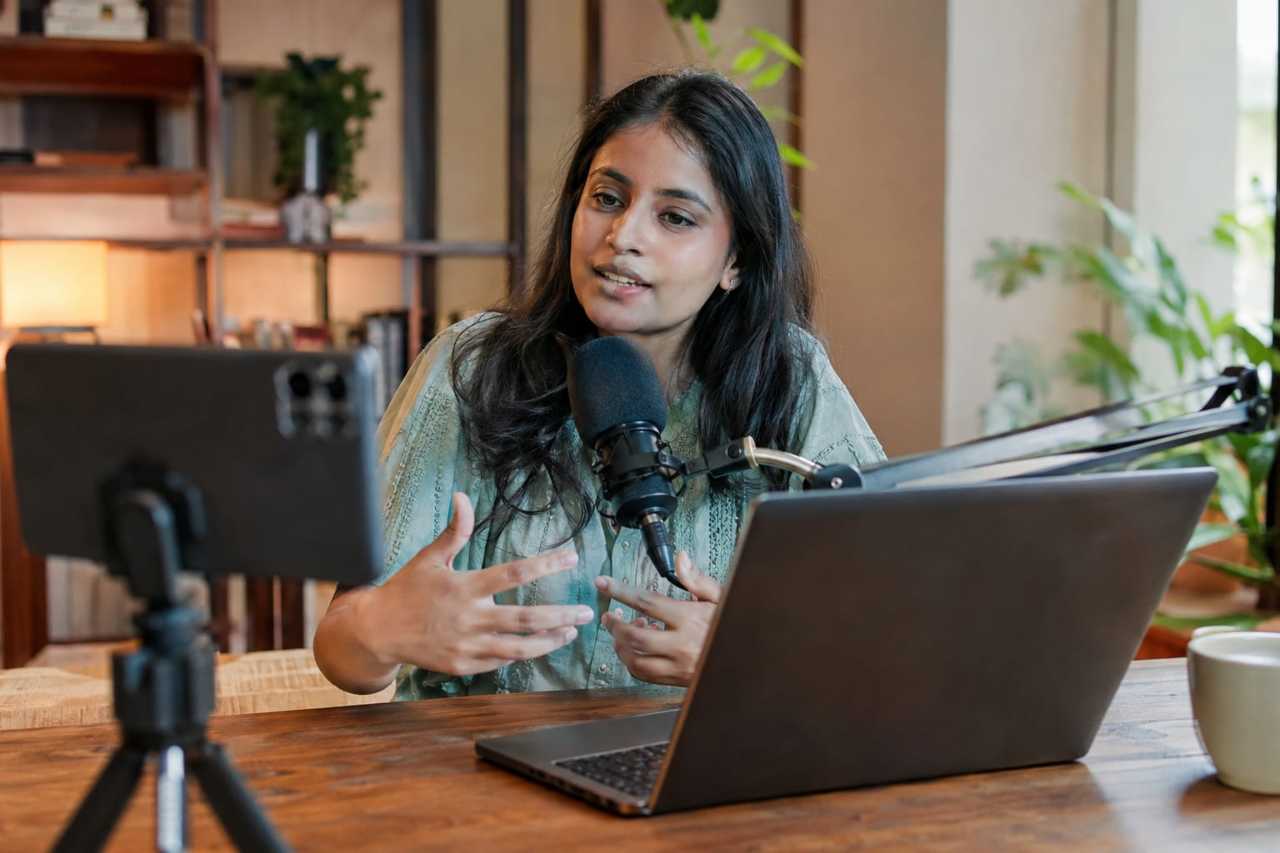
Quick question: when you think "podcast platform," what comes to mind first? Spotify, probably. Maybe Apple Podcasts. In India, the answer is YouTube — and it's not even close.
A new survey from S&P Global Market Intelligence Kagan, part of its 2026 Asia-Pacific Consumer Insights report, found that 64% of Indian survey respondents listen to podcasts. And when you ask podcast listeners specifically where they go, 85% say YouTube or YouTube Music. Spotify comes in second at 65%. JioSaavn sits at 35%, and Gaana at 28%.
That's a pretty striking gap. YouTube wasn't even built as an audio app, yet it's become India's default podcast destination.
Why YouTube Wins
Here's what I find interesting: across all survey respondents — not just dedicated podcast listeners — YouTube reaches 55%, with Spotify trailing at 42%. JioSaavn takes third overall at 23%, Gaana fourth at 18%. Everything else — Amazon Audible, Pocket FM, Kuku FM — stays under 15%.
So why does a video platform dominate an audio category? My guess: habit and convenience. People already have YouTube open. They're not switching apps to find a show, they're just scrolling into one. It's the path of least resistance, and apparently that path is 85% of the traffic.
The Local Platforms Punch Above Their Weight
Here's the twist, though. Bigger reach doesn't mean deeper engagement.
The report found that 54% of Gaana users tune in daily, and 46% of JioSaavn users do the same. Compare that to 39% on Spotify and just 35% on YouTube. So while YouTube has the crowd, the regional apps have the die-hards.
That tracks with something I've noticed traveling through different countries over the years — the biggest platform isn't always the most loyal one. Smaller, local services often build tighter habits with their users, even if their total numbers look modest next to the giants. It's a reminder that reach and loyalty are two different games.
Overall, though, podcast listening in India is sticky. 85% of listeners tune in at least once a week. That's a real habit, not a passing trend.
It's a Home Thing
Where are people actually listening? Mostly on the couch. The survey found 82% of podcast listeners across all platforms are tuning in at home. Only 9% listen from the office, and 7% listen while commuting.
That surprised me a little. In a lot of countries, podcasts are the soundtrack of the commute — something you pop on during the drive or the subway ride. In India, it sounds more like a settle-in-at-home activity. Maybe it's traffic. Maybe it's just preference. Either way, it tells advertisers and creators something useful: if you're trying to reach this audience, think living room, not highway.
Young, Educated, and Under 45
Who's doing all this listening? Mostly younger people. 70% of India's podcast users are under 45, with the heaviest concentration between 25 and 34. Regional platforms skew even younger — 81% of JioSaavn listeners and 75% of Gaana listeners fall under 45. And 74% of all listeners hold a college, university, or postgraduate degree.
That's a well-educated, young, engaged audience — exactly the kind of group brands and content creators want to reach.
What They're Actually Listening To
Comedy tops the genre list at 55%. Sports comes in second at 53%, just barely edging out news and politics at 51%.
Niche platforms show some wild spikes, too. 88% of Hubhopper users say they're into true crime. 81% of Earshot listeners favor games and hobbies content. People clearly go to specific apps for specific obsessions.
So What Does This Mean for You?
If you create content, or you're just a curious listener yourself, this is worth sitting with. India's podcast audience is young, educated, home-based, and loyal — and they're finding shows through a video app, not a dedicated audio one.
It makes me wonder what happens next. Does YouTube lean further into podcast-specific features? Do regional platforms carve out an even stronger niche with their daily-habit users? Or does comedy just keep winning no matter what the format is?
One thing's clear: podcasts aren't slowing down anywhere, including places you might not expect. Worth keeping an eye on where the next surprising habit shows up.
Source: Bhaskar English
Catch up on our earlier post: Everyone's Listening to Podcasts in India — But Not the Same Way Twice
Sponsored Area