A Scarborough Podcast Just Hit the Top 20% Worldwide. Here's How.
0 View

- Publish Date:
- November 8, 2026
- Category:
- Latest News
- Video License
- Standard License
- Imported From:
- Youtube
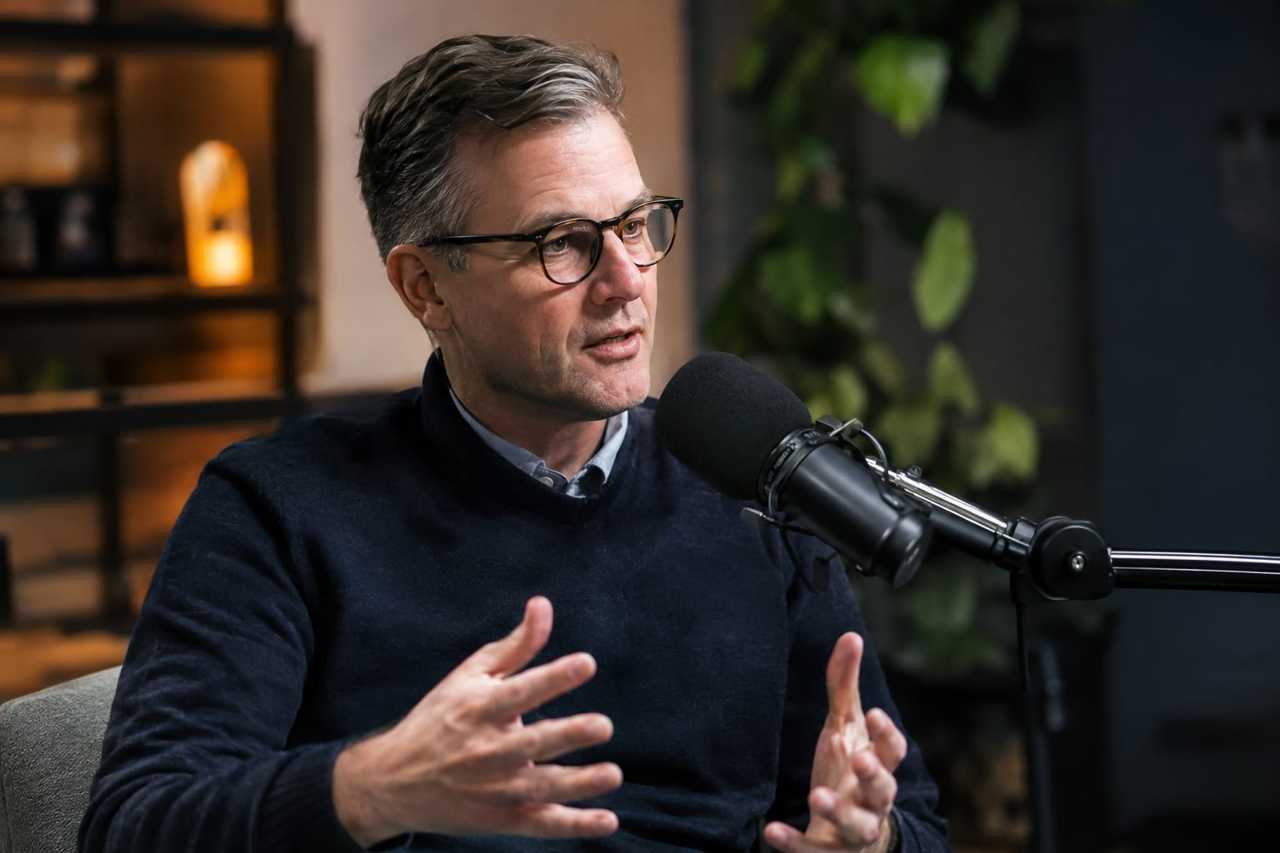
A show recorded in a rehab centre on the Yorkshire coast is now being heard in 83 countries. I love stories like this.
No big studio. No marketing budget the size of a small nation's GDP. Just two guys, Sam and Richard, talking honestly about addiction and recovery — and somehow that's climbed to Number 10 in the global Mental Health charts and landed in the top 20% of all podcasts on the planet.
How does that happen?
The podcast is called IN RECOVERY, and it's produced by Ark House Rehab in Scarborough. It just picked up shortlist nods in three categories at the Independent Podcast Awards: Best Personal Stories Podcast, Best Lifestyle Podcast, and Best Self-Improvement Podcast. That's not a small feat when you're up against the full field of independent audio from around the world.
Sam and Richard put it simply. They said they were "absolutely over the moon" to be recognized alongside the best in independent audio. But here's the line that stuck with me: "For us, this was never just about winning an award."
For them, it's about carrying the message of recovery to people who need it — whether that's someone still trapped in active addiction or a family member just trying to make sense of the illness. They said being shortlisted for three awards proves people are listening, the conversation is shifting, and the stigma around addiction is breaking down.
That's the part that matters, isn't it? An award is nice. A trophy on a shelf doesn't change anyone's life. But a podcast reaching into 83 countries, landing in someone's earbuds at exactly the moment they need to hear it — that's a different kind of win.
I think about this a lot when I'm on the road. I've been traveling full-time since 2017, and one thing I've learned is that you don't need permission or a massive platform to reach people. You need something true to say, and the willingness to say it. Sam and Richard didn't wait for a network to hand them a microphone. They started talking, recorded it, and put it out into the world. Turns out the world was listening.
The timing here is worth noting too. The awards ceremony landed the same week as Ark House Rehab's 34th anniversary. Björn Roswald, the centre's founder, was there that week as well, visiting with staff and residents, looking back on more than three decades of work. Thirty-four years is a long run for any organization, let alone one dealing with something as difficult as addiction recovery. There's something fitting about a podcast born from that history reaching an audience this size in the same week.
So what does this actually mean for you, the person reading this who maybe isn't dealing with addiction at all? A few things.
First, it's a reminder that scale doesn't require a big headquarters or a famous name attached. It requires consistency and honesty. Sam and Richard just kept showing up, episode after episode, and the audience built itself.
Second, if you or someone you know is struggling — or trying to understand someone who is — this is a resource that exists now, recorded by people who've actually lived it, not actors reading a script. That's worth something.
And third, it's one more piece of evidence for something I believe deeply: you never know who's listening, or where, or why. A small studio in Scarborough is reaching people in 83 different countries. That's not a fluke. That's what happens when you put something real out into the world and let it travel.
I'll be curious to see where IN RECOVERY goes from here. Does it crack the top 10% globally? Does it inspire other recovery centres to start their own shows? What happens when more people realize they don't need permission to start talking about the things that matter most?
One thing's for sure — the conversation's already moving. The only question is whether you're going to listen in.
Source: The York Press
Before this, we covered: When Long-Term Care Operators Start Talking Like Humans
Sponsored Area