One Show Raises Alarm Bells About AI In Podcasting
0 View

- Publish Date:
- October 9, 2026
- Category:
- Latest News
- Video License
- Standard License
- Imported From:
- Youtube
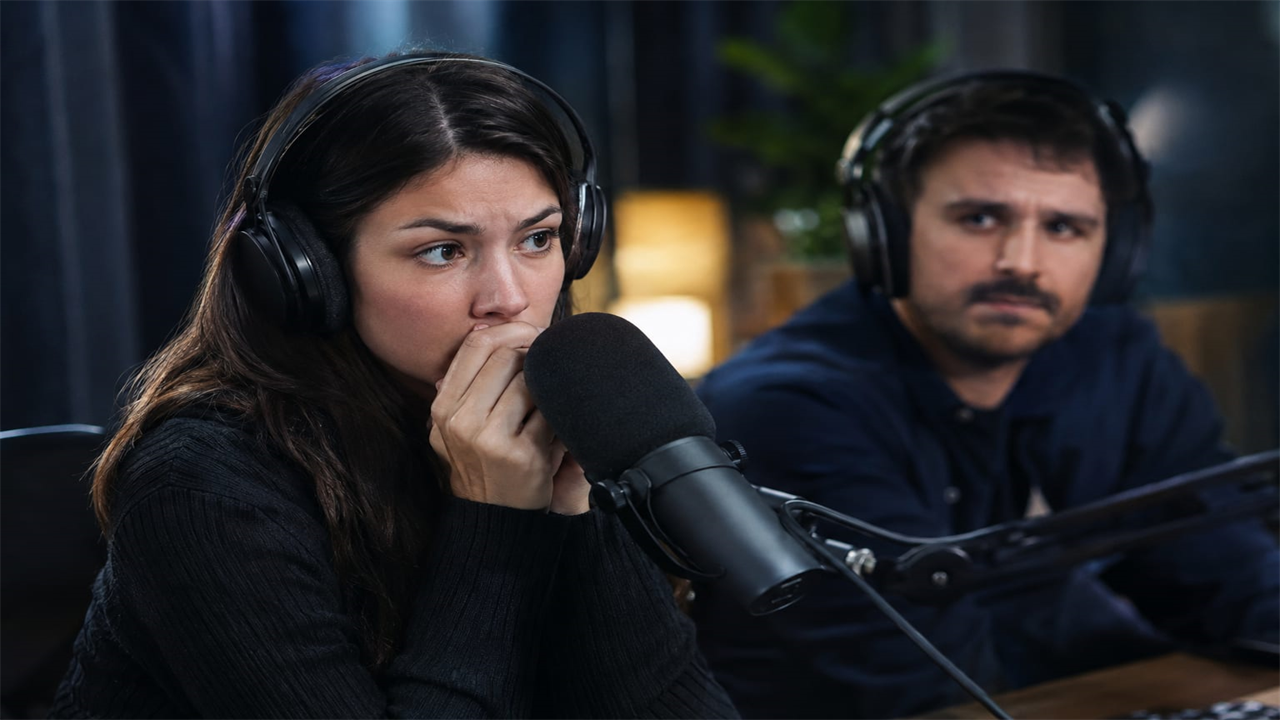
A podcast just did something most of the industry doesn't want to talk about. It called out AI, directly, in its own medium.
That's worth sitting with for a second. Podcasting is one of the last places that still feels human. No algorithm feed, no filtered photos, just two people talking into microphones, sometimes for two hours, sometimes with long pauses and bad jokes left in. That messiness is the whole appeal. So when a show inside that world raises a flag about AI creeping into its own format, I want to know why.
Forbes reported on it, and the headline alone tells you the mood: alarm bells. Not curiosity. Not excitement. Alarm.
I get it. I've spent years building an audience around the idea that real experience beats polish every time. I've traveled full-time since 2017, and almost everything I share comes from actually being somewhere, actually talking to someone, actually making a mistake and learning from it. That's the value. If AI can generate a voice that sounds like me, saying things I never said, in a show I never recorded, what exactly is left?
That's the real question behind this story. Not "is AI useful." Of course it is. I use tools to edit audio, clean up background noise, speed up transcripts. That's not the scary part. The scary part is synthetic hosts, synthetic guests, synthetic conversations dressed up to look real. A listener tunes in expecting a person. What happens when they're actually hearing a model trained on that person's old interviews?
Podcasting built its trust on intimacy. You hear someone's voice in your ears while you're walking the dog or driving across three states, and over time it feels like a friendship. That's powerful. It's also exactly the kind of trust that's easy to exploit once a machine can mimic tone, pacing, even laughter.
So why would a show inside this industry be the one sounding the warning, instead of staying quiet and riding the trend? Probably because they understand the stakes better than most. They know their audience isn't tuning in for content. They're tuning in for connection. And connection is hard to fake convincingly for long.
Here's the question I keep asking myself: what happens if AI podcasts become good enough that most listeners can't tell the difference? Does authenticity still matter if nobody notices it's missing? I think it does, the same way a handmade guitar matters even when a factory one sounds fine. Somebody, somewhere, still wants to know a real person made the thing they're consuming. Maybe that number shrinks. Maybe it doesn't. But I'd rather be the real thing and let people choose, than get replaced by a convincing copy and never find out who left.
This isn't really a tech story. It's a trust story. Every industry eventually runs into this same test: when the tool can replace the human convincingly, do you lean into the human anyway? I've made that choice more than once, in travel, in business, in how I decide where to go next and why. The easy path is rarely the honest one.
What strikes me most is the timing. This warning isn't coming from critics outside podcasting. It's coming from inside it, from people who built their careers on being heard, now questioning what "being heard" even means. That takes guts. It's also a little bit funny, in a dry way, that the machines learned to imitate human conversation well enough that humans had to start defending the idea of talking.
So where does this go? Probably nowhere clean. Some shows will lean into AI fully. Some will reject it outright. Most will land somewhere messy in between, same as always.
But if you're a listener, here's a question worth asking next time you hit play: do I actually know who's talking? And if you're a creator, here's a better one: am I still willing to be the one who shows up, in person, flaws and all?
That willingness might be the only thing AI can't fake.
Source: Forbes
Earlier in this series: Why Your Favorite Podcast Host Won't Read You a Script Anymore
Sponsored Area