Why Radio Stations Are Suddenly Obsessed With YouTube
0 View

- Publish Date:
- October 23, 2026
- Category:
- Latest News
- Video License
- Standard License
- Imported From:
- Youtube
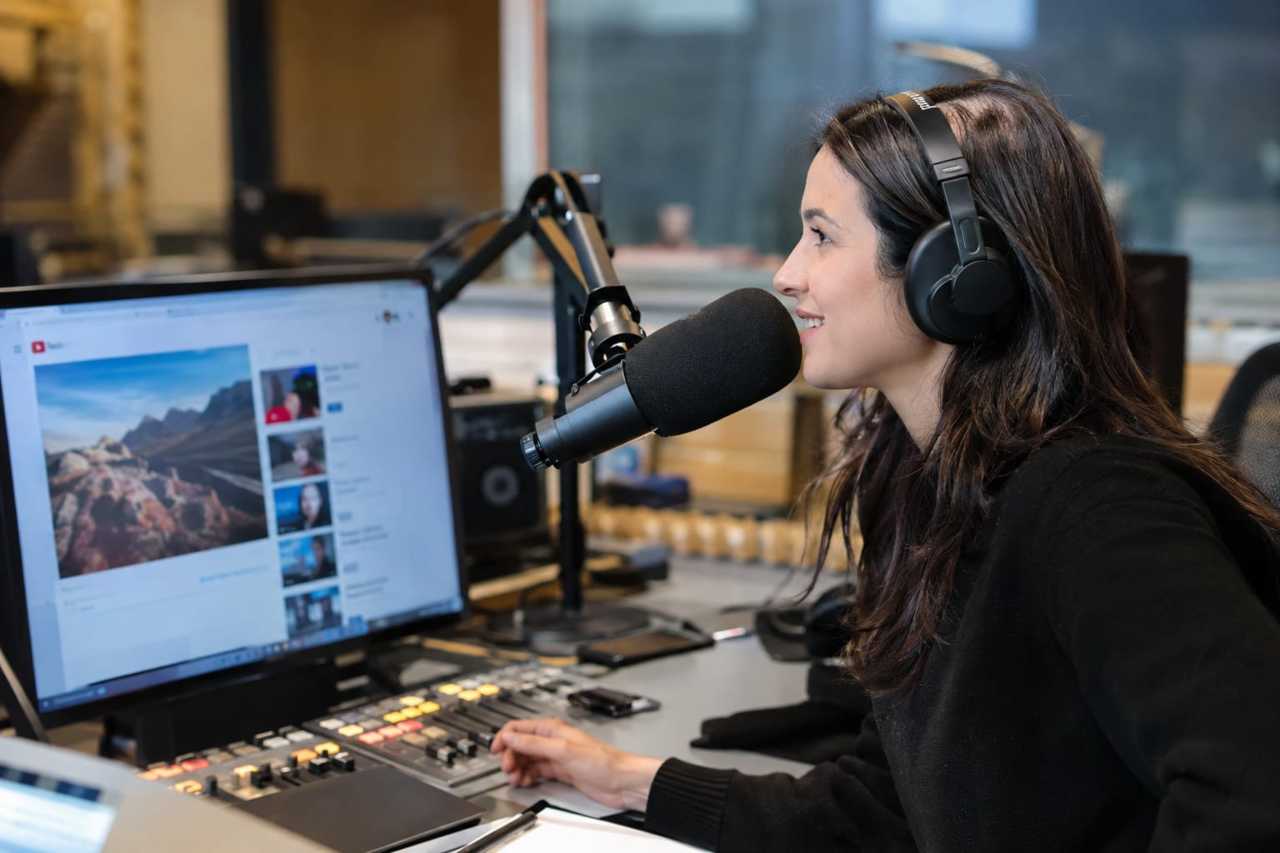
Here's a question worth asking: if the audience can't tell the difference between a podcast and a video, why would anyone still make audio-only shows?
That's basically the puzzle radio executives wrestled with at NAB Show New York this week. And the answer isn't as simple as "just put everything on YouTube."
I've spent years building an audience around my own content, choosing which platforms to trust and which to keep at arm's length. So when I saw radio broadcasters publicly debating how much control to hand over to YouTube, it caught my attention. It's the same question anyone with an audience eventually has to answer: do you chase reach, or do you protect what you own?
The Discovery Problem
Sheryl Worsley, VP of Podcasting at Bonneville, didn't mince words on the panel. "You cannot play this game if you're not on video. You need to be on YouTube in order to get discovered," she said.
That's a big statement from a radio company. Worsley explained how podcast listening has shifted over the past few years — Spotify chipping away at Apple Podcasts, and now YouTube muscling in as a major destination. Listeners, she said, don't separate audio podcasts from video shows in their heads anymore. "The audience doesn't know the difference, and that's what matters."
Jeremy Sinon from Hubbard Radio backed that up with a number that surprised me: YouTube is the second-biggest search engine in the world, behind only Google itself. People search YouTube the way they'd search a library. If your show isn't there, it simply doesn't exist for a huge chunk of potential listeners.
Hubbard saw this play out directly. Their Minnesota Vikings podcast, "Purple Daily," was growing steadily — until the team went all-in on YouTube. Sinon called the result "the hockey stick effect." Sudden, sharp growth, the kind every content creator dreams about.
Cumulus Media's Paul Mason told a similar story out of Nashville, where sports station 104.5 The Zone used YouTube to introduce its NFL analysis podcast "The Install," featuring Greg Cosell, to a whole new crowd of listeners who'd never have found it otherwise.
The Catch
So why not just put everything on YouTube and call it a day? Because reach and revenue aren't the same thing.
Sinon put it bluntly: "YouTube is a blessing and a curse at the same time."
When a podcast lives on an open RSS feed, the broadcaster controls the ads, sells them directly, and keeps the money. On YouTube, the platform decides where ads go and how the revenue gets split. You get the audience. You don't necessarily get to keep the steering wheel.
That's the tradeoff I find myself weighing constantly in my own work — convenience and reach on someone else's platform versus independence on your own. There's no universally right answer. It depends on what you're optimizing for.
Hubbard's workaround is clever: building host-read endorsements directly into the content itself, so the ad travels with the show no matter where it's watched or heard. They're also leaning on dynamically inserted ads through their own RSS feeds to keep some revenue outside YouTube's system entirely.
Bonneville's Hybrid Bet
Bonneville faces an extra wrinkle. Some of its shows, like the investigative series "Cold," aren't quick studio chats — they're deeply reported, documentary-style productions. Turning every episode into full video would mean essentially making a film each time. Worsley said that's not something they can justify across the board.
Instead, Bonneville is experimenting. They record interviews on video but only release select clips to YouTube for promotion. Sometimes they'll launch a full series through audio first, then drip episodes onto YouTube later.
"We're trying to play the YouTube game without losing all of the audio money that we might get when we launch something," Worsley said.
She admits it's still a work in progress. But isn't that how most good strategies start — a question, an experiment, a willingness to adjust?
So What Does This Mean for You?
Whether you're running a radio station or just building something of your own, the lesson's the same: reach is valuable, but it's not free. Every platform wants a piece of your control in exchange for its audience.
The broadcasters who figure this out won't be the ones who chase every trend blindly. They'll be the ones asking the right question first: what am I willing to trade, and what am I determined to keep?
Source: Insideradio.com
Catch up on our earlier post: Spotify's Subscriber Numbers Just Beat Expectations. Here's Why That Matters More Than You Think.
Sponsored Area