How to Be a Great Podcast Host
12,595 View

- Publish Date:
- March 10, 2026
- Category:
- Learn to Podcast
- Video License
- Standard License
- Imported From:
- Youtube
She shares listeners’ opinions about things they dislike the most podcast hosts do, and finally, she asks top experts in the podcast industry for their advice on how to be a great podcast host.
Learn more about how to be a great podcast host:
https://pss.media/blog/how-to-be-a-great-podcast-host
**🎤 🎬 WORK WITH US ONE-ON-ONE **
Go to 👉🏻 https://pss.media/one-on-one-support
We help six and seven-figure creative CEOs launch their podcasts or video podcasts so they connect with their audience, turn listeners into loyal customers, and build their authority in their industry.
✨FREE MINICOURSE✨
Sign up here 👉🏻 https://www.podcastingsmart.com
Idea to Podcast Simplify for Business Owners is a video series minicourse for those who want a podcast for their business but have questions about ROI, workflow, equipment, and strategies for using a podcast to grow their business.
Check out my homies! They are the best in the industry.
Rich Cardona ( Primo): https://www.youtube.com/@UCwNKFB37VbrGqRkBDVBjvoQ
Krystal Proffitt ( KP): https://www.youtube.com/@UC8h_jS54cGpLGraPSsnB2qw
Larry Roberts ( Red Hat): https://www.youtube.com/@thelarryroberts
Podcast Mentioned in the Video for Educational Purposes
https://www.youtube.com/@hubermanlab
https://www.youtube.com/@UCk2U-Oqn7RXf-ydPqfSxG5g
https://www.youtube.com/@Thebobbialthoff
🤗 Say hi on Social
https://www.instagram.com/psscreativemedia/
https://www.linkedin.com/in/veronica-davis-pss/
🎧 Become a Certified Video Podcast Editor
Apply here 👉🏻 https://www.podcastingsmart.com/editlab
Podcast EditLab is a group coaching program that will get you from Zero to an impressive portfolio + clients in only 12 weeks.
Subscribe to our Podcast Content Jefe 🎤
https://www.youtube.com/@contentjefe
Learn from Content Jefes ( Bosses) in the creator Industry.
Purchase our Studio Gear
https://www.amazon.com/shop/podsoundschool
Disclosure: As an Amazon Associate, we earn from qualifying purchases made through the links provided in this description. This means we may receive a small commission at no additional cost to you if you choose to make a purchase through these links.
Your support helps keep the content coming! Thank you!
TIMESTAMPS
00:00 Intro
01:45 Common Mistakes to Avoid as a Podcast Host
04:06 The Importance of Authenticity
07:50 Pitching New Concepts and Ideas
10:40 Expert Advice from Podcast Leaders
-----------------------------------------
Podcast with Passion and Inspiration
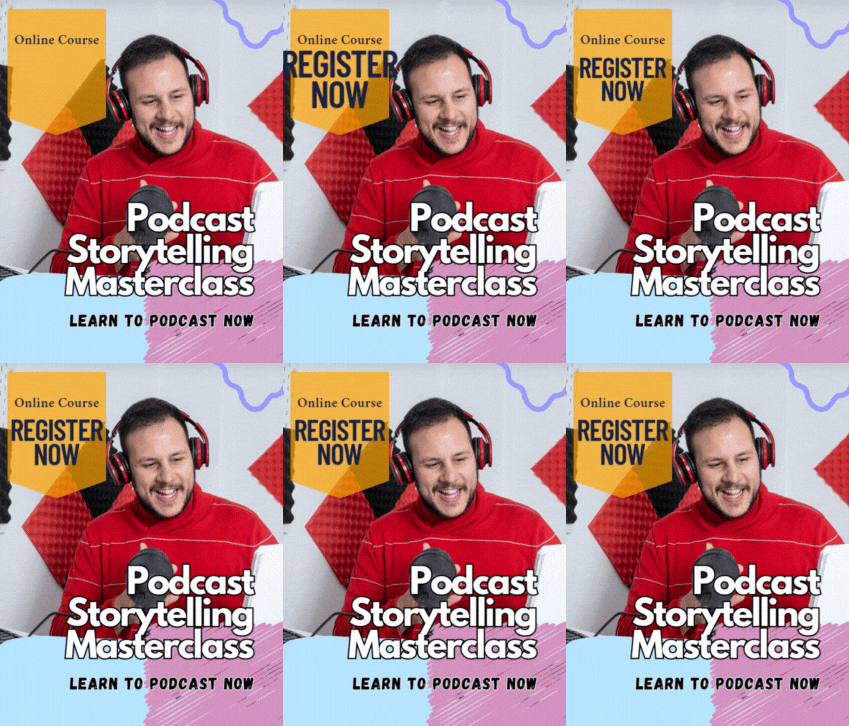
🎧 Want your podcast to truly inspire and connect with your audience? Podcast with Passion and Inspiration is the class that shows you how to express your authentic energy in every episode—even after multiple takes. Passion is what brings your words to life, and this course will help you tap into it deeply, whether you’re speaking solo or interviewing a guest.
You’ll explore what passion really is, why it’s essential for audience connection, and how to access it even if you don’t see yourself as a naturally passionate speaker. Learn how to move beyond the script, stay grounded in your message, and deliver content in a way that’s heartfelt, energetic, and unforgettable.
👉 Click here to join the online course now and start podcasting with purpose, power, and passion today!
2 Must-Know Podcasting Tips for Your Show
Integrating Music and Sound Effects Appropriately

Music and sound effects can significantly enhance the quality and appeal of your podcast when used appropriately. Select intro and outro music that reflects the tone and theme of your show, creating a consistent auditory brand identity. Use background music sparingly during episodes to complement the conversation without overpowering it. Incorporate sound effects to emphasize key points, transitions, or humorous elements, adding a dynamic layer to your content. Ensure that all audio elements are balanced and do not distract from the primary audio, maintaining a professional and polished sound. Thoughtful integration of music and effects can make your podcast more engaging and enjoyable for your listeners.
Creating Eye-Catching Podcast Artwork
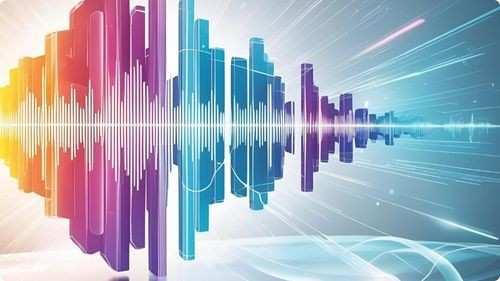
Your podcast artwork is often the first impression potential listeners have of your show, making it crucial for attracting attention and conveying your podcast’s essence. Design a visually appealing and professional cover that reflects your podcast’s theme and personality. Use high-contrast colors and clear typography to ensure readability, even at smaller sizes typically displayed on listening platforms. Incorporate imagery or icons that symbolize your content, helping to communicate your podcast’s focus at a glance. Ensure your artwork meets the technical specifications of major podcast directories, such as Apple Podcasts, to maintain quality across platforms. Compelling podcast artwork not only draws in new listeners but also reinforces your brand identity and professionalism.
Frequently Asked Questions
What are effective ways to promote my podcast?
Utilize social media, collaborate with other podcasters, submit your show to podcast directories, and engage with your audience through newsletters or community forums to expand your reach.
How can I incorporate interviews into my podcast?
Plan your questions in advance, ensure good audio quality for both parties, and create a comfortable environment for your guest. Interviews add variety and different perspectives to your show.
What software is best for recording and editing podcasts?
Popular options include Audacity, which is free and user-friendly, and Adobe Audition, which provides advanced editing features. Choose software that fits your skill level and editing needs.
How can I make my podcast stand out in a crowded market?
Develop a unique voice, focus on a specific niche, deliver consistent quality, and engage authentically with your audience. Creative content and distinct branding also help differentiate your podcast.
What are some strategies to keep podcast content fresh and interesting?
Vary episode formats, explore new topics, invite diverse guests, and stay updated with industry trends. Regularly brainstorming and planning can keep your content innovative and engaging.
How do I choose the right microphone for my podcast?
Select a microphone based on your budget and recording environment. USB microphones are user-friendly for beginners, while XLR microphones offer higher sound quality for more professional setups.
Statistics
- Podcasts utilizing video snippets on social media experience a 20% rise in audience interaction.
- Engaging storytelling techniques can increase listener retention rates by up to 50%.
- Podcasts that offer unique and niche content are 35% more likely to build a dedicated listener base.
- About 60% of podcasters find that offering premium content subscriptions generates additional revenue.
- Podcasts with interactive segments, such as Q&A sessions, see a 25% boost in audience participation.
- Listeners are 50% more likely to subscribe to podcasts that offer regular episode releases.
- Podcasts that engage with their audience through email newsletters see a 30% higher retention rate.
- Over 80% of podcasters report that having a dedicated website enhances their show’s visibility.
- Approximately 40% of podcasters use background music to enhance the listening experience.
- Podcasts that regularly update their equipment report a 40% improvement in audio quality and listener satisfaction.
- Podcasts that include detailed show notes experience a 50% increase in listener engagement.
- Listeners prefer podcast episodes that range between 30 to 45 minutes, with 65% favoring this duration.
- Approximately 70% of successful podcasters invest in high-quality microphones to ensure clear audio.
- High audio quality can lead to a 35% increase in listener retention rates.
- Podcasts that utilize analytics to refine content strategies experience a 40% improvement in listener satisfaction.
- Using transcription services can make podcasts accessible to a wider audience, increasing reach by up to 25%.
External Links
buzzsprout.com
listennotes.com
ahrefs.com
apple.com
transistor.fm
podcasters.spotify.com
shutterstock.com
podcastinsights.com
socialmediaexaminer.com
mailchimp.com
screencast-o-matic.com
blog.libsyn.com
canva.com
optimizingpodcasting.com
anchor.fm
audacityteam.org
blog.podomatic.com
How To
How To Conduct Engaging Podcast Interviews
Conducting engaging interviews is key to providing valuable content for your podcast listeners. Start by researching your guest thoroughly to prepare insightful and relevant questions that align with your podcast’s theme. Create a comfortable environment for your guest, whether recording in person or remotely, to encourage natural and open conversation. Use active listening techniques, allowing the dialogue to flow organically while keeping the discussion focused on the topic. Incorporate a mix of prepared questions and spontaneous follow-ups to maintain interest. Additionally, ensure high audio quality by using reliable recording equipment and a quiet space. Editing the interview to remove any awkward pauses or technical issues will result in a seamless and engaging episode.
Sponsored Area