Record a Video Podcast With Your iPhone // Video Podcast Setup for Beginners
77,585 View

- Publish Date:
- March 7, 2026
- Category:
- Learn to Podcast
- Video License
- Standard License
- Imported From:
- Youtube
Check out the Video Podcast I recorded for my podcast Content Jefe here:
https://youtu.be/phRpLyrYdRI
👇🏼 LEARN MORE about how to video podcast with your iPhone and get links to all the GEAR in the video.
https://pss.media/blog/record-a-video-podcast-on-your-iphone
**WORK WITH US ONE-ON-ONE **
We help six and seven-figure CEOs creative CEOs launch their podcast or video podcasts so they connect with their audience, turn listeners into loyal customers, and build their authority in their industry.
Book your Consult
Go to 👉🏻 https://pss.media
✨FREE MINICOURSE✨
Idea to Podcast Simplify for Business owners is a video series minicourse for those who want a podcast for their business but have questions about ROI, workflow, equipment, and strategies to use a podcast to grow their business.
Sign up here 👇🏻
https://www.podcastingsmart.com
🤗 Say hi on Social
https://www.instagram.com/psscreativemedia/
https://www.linkedin.com/in/veronica-davis-pss/
🎧 Become One of Our Certified Podcast Editor
Our group coaching program will get you from Zero to impressive portfolio + clients in only 12 weeks.
Apply here👇🏻
https://www.podcastingsmart.com/editlab
Subscribe to our Podcast Content Jefe 🎤
Subscribe and learn from Content Jefes ( Bosses) in the Industry
https://www.youtube.com/channel/UC6Np_I8RFIFwfPPvD-yBReA
Purchase iPhone Video Podcast Equipment Here 👇🏻https://www.amazon.com/shop/podsoundschool/list/1BBWWZK1YXF3J?ref_=cm_sw_r_cp_ud_aipsflist_aipsfpodsoundschool_B7KE546MNJ8Q309J3AXV
DISCLAIMER: This description contains affiliate links, which means that if you click on one of the product links and make a purchase, I’ll receive a small commission at no extra cost to you. This helps support the channel and allows us to continue making videos like this. Thank you for your support.
-----------------------------------------
Realtor Podcast Marketing for Real Estate Agents Success
🏡 Want to stay top-of-mind with potential buyers and sellers—even when you're off the clock? Realtor Podcast Marketing for Real Estate Agents Success is your roadmap to creating a podcast that keeps working for you 24/7. Imagine having the undivided attention of your ideal clients every week, right in their earbuds, building trust and positioning you as their go-to Realtor—no matter when they’re ready to make a move.
This class walks you step-by-step through setting up your own real estate podcast, even if you’ve never recorded before. You'll learn how to use this powerful marketing tool to reach your farm area, stay connected with past leads, and establish a personal presence that traditional marketing just can't match.
👉 Click here to join the online course now and start building a real estate brand that speaks directly to your audience—anytime, anywhere.
3 Must-Know Podcasting Tips for Your Show
Monetizing Your Podcast Effectively

Monetizing your podcast can turn your passion into a sustainable venture. Explore various revenue streams such as sponsorships, where companies pay to have their products or services featured in your episodes. Implement affiliate marketing by promoting products and earning a commission on sales generated through your unique links. Offer premium content or exclusive episodes through subscription models or platforms like Patreon. Additionally, consider selling merchandise related to your podcast to your loyal audience. Hosting live events or offering consulting services can also provide income opportunities. Diversifying your monetization strategies ensures a steady revenue flow while maintaining the quality and integrity of your content.
Selecting the Best Hosting Platform for Your Podcast
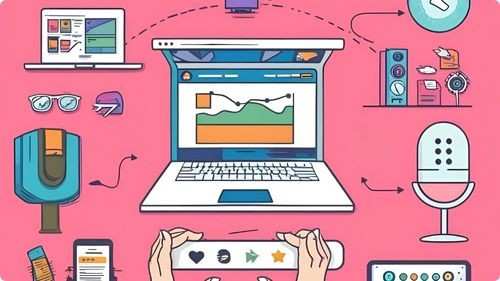
Choosing the right hosting platform is essential for distributing your podcast efficiently and reaching your target audience. Evaluate platforms based on factors such as storage capacity, bandwidth, ease of use, and analytics capabilities. Look for services that offer reliable uptime and fast upload speeds to ensure your episodes are accessible to listeners without delay. Consider platforms that support multiple podcast directories, including Apple Podcasts, Spotify, and Google Podcasts, to maximize your reach. Additionally, assess whether the hosting service provides tools for monetization, such as advertising integration or subscription options. A robust hosting platform simplifies the distribution process, allowing you to focus on creating quality content for your audience.
Building a Strong Podcast Brand Identity

A strong brand identity distinguishes your podcast in a crowded market and fosters loyalty among listeners. Define your podcast’s unique value proposition by identifying what sets it apart from others in the same genre. Develop a recognizable logo and consistent color scheme that reflects your podcast’s personality and theme. Craft a compelling tagline that succinctly conveys your podcast’s mission and appeal. Maintain consistency in your communication style, tone, and visual elements across all platforms, including your website and social media profiles. A cohesive brand identity not only attracts your target audience but also makes your podcast memorable and professional, encouraging long-term growth.
Frequently Asked Questions
How do I grow my podcast audience?
Produce high-quality content regularly, interact with listeners, leverage social media, optimize for search engines, and seek reviews and ratings to increase visibility and attract new listeners.
What should I include in my podcast's intro and outro?
Your intro should introduce the podcast and set the tone, while the outro can include a summary, thank you message, and a call to action, such as subscribing or following on social media.
How do I submit my podcast to directories like Apple Podcasts and Spotify?
Create an account with a podcast hosting service, ensure your podcast meets the directory’s requirements, and follow their submission guidelines. Hosting services often provide easy distribution options.
What software is best for recording and editing podcasts?
Popular options include Audacity, which is free and user-friendly, and Adobe Audition, which provides advanced editing features. Choose software that fits your skill level and editing needs.
Statistics
- Genres such as true crime, technology, and personal development are among the most popular, attracting over 70% of listeners.
- Podcasts that offer unique and niche content are 35% more likely to build a dedicated listener base.
- Podcasts that engage with their audience through email newsletters see a 30% higher retention rate.
- Podcasts with interactive segments, such as Q&A sessions, see a 25% boost in audience participation.
- Podcasts utilizing video snippets on social media experience a 20% rise in audience interaction.
- Listeners prefer podcast episodes that range between 30 to 45 minutes, with 65% favoring this duration.
- Guest appearances on podcasts can result in a 15% increase in subscriber numbers.
- About 55% of podcasters use interviews as a key strategy to provide diverse content.
- About 60% of podcasters find that offering premium content subscriptions generates additional revenue.
- Podcasts with consistent weekly releases are 60% more likely to grow their audience steadily.
- Podcasts that release episodes on Tuesdays and Thursdays see higher download rates by 30%.
- Using transcription services can make podcasts accessible to a wider audience, increasing reach by up to 25%.
- Listener reviews and ratings contribute to a 25% increase in podcast discoverability.
- Collaborating with other podcasters can lead to a 20% growth in listener base.
- About 50% of podcast listeners prefer shows that offer a mix of solo and interview episodes.
- Investing time in marketing can increase a podcast’s audience by up to 50% annually.
External Links
convinceandconvert.com
shutterstock.com
audacityteam.org
apple.com
ahrefs.com
hootsuite.com
anchor.fm
thepodcasthost.com
listennotes.com
podbean.com
podcastcareers.com
help.apple.com
patreon.com
adobe.com
inc.com
blog.libsyn.com
canva.com
How To
How To Incorporate Music and Sound Effects in Your Podcast
Using music and sound effects can enhance the listening experience of your podcast by adding depth and emphasis to your content. Start by selecting background music that complements the tone and theme of your podcast without overpowering the spoken words. Use royalty-free music or obtain the necessary licenses to avoid copyright issues. Incorporate sound effects to highlight key points, transitions, or to create a particular atmosphere. Balance the audio levels to ensure that music and effects do not distract from the main content. Editing software like Audacity or Adobe Audition can help you seamlessly integrate these elements. Thoughtful use of music and sound effects can make your podcast more engaging and memorable for listeners.
Did you miss our previous article...
https://podcasting-unleashed.com/learn-to-podcast/start-podcasting-right-now-5-tips-for-launching-your-show
Sponsored Area