AI Podcast Generator: Your Path to Painless Podcasting
1,595 View

- Publish Date:
- May 15, 2025
- Category:
- Podcasting
- Video License
- Standard License
- Imported From:
- Youtube
🎙️ AI Podcast Generator: Your Path to Painless Podcasting 🤖
Creating compelling podcast content is now as easy as a few clicks. We'll show you how AI technology can transform your ideas into fully produced podcast episodes without the need for recording, editing, or specialized equipment.
What You'll Discover:
🌟 How AI can craft professional-quality podcasts from scratch.
🌟 The simplicity of generating podcast episodes with minimal effort.
🌟 Tools and platforms that turn your ideas into audio content.
🌟 Tips and tricks to make your AI-generated podcasts engaging and unique.
🌟 The future of content creation in the world of podcasting.
Are you ready to take the pain out of podcasting and discover the endless possibilities of AI-generated content? Watch our video to learn how to harness this incredible technology and streamline your podcast production process.
here are the links for AI Tools:-
1- ChatGpt:- https://chat.openai.com/auth/login
2- 11Eleven labs:- https://elevenlabs.io/
3- Adobe Premiere pro:- https://www.adobe.com/in/products/premiere.html
4- Onemaker.io:- https://www.onemaker.io/podcast-audiogram
5- Canva:- https://www.canva.com/en_gb/
6- RIVERSIDE:- https://riverside.fm/?utm_campaign=campaign_2&utm_medium=affiliate&utm_source=rewardful&via=siddharth
To get more tips and tricks to grow your Channel join us:- https://www.youtube.com/channel/UCh3huiTzuygywdnrQ63mVdQ
To obtain excellent Music Visualizer, Logo Animation, Slideshow, and Podcast Templates. Visit Our Website:- https://www.onemaker.io/
To explore Onemaker.io's Podcast templates, visit on the link:- https://app.onemaker.io/podcast-audiogram
👉 Don't forget to like, subscribe, and hit the notification bell to stay updated with the latest in AI-powered content creation. Share this video with fellow creators who are passionate about podcasting!
Let's revolutionize your podcasting journey together. Join us and explore the future of content creation today.
-----------------------------------------
YouTube Podcast Marketing For Natural Health Practitioners
Are you a Massage Therapist, Naturopath, Healer, EFT Practitioner, Reiki Master, Acupuncturist, or Yoga Instructor looking to attract more clients and share your message with a larger audience?
If you've ever thought, "If only more people knew what I do and how much I help others..." — this course is for you.
You'll learn how to:
✅ Create a powerful plan to grow your practice
✅ Leverage YouTube, Facebook, and Podcasts to reach more people
✅ Repurpose your content across platforms for maximum visibility
✅ Attract high-quality leads who are ready to work with you
✅ Position yourself as the Obvious Expert in your community
This isn’t just about marketing — it’s about making your impact bigger without burning out.
👉 Click here to enroll now and start growing your practice with ease and authenticity.
Your healing work deserves a wider audience. Let’s make that happen! 🌟
2 Must-Know Podcasting Tips for Your Show
Analyzing Podcast Metrics to Improve Performance
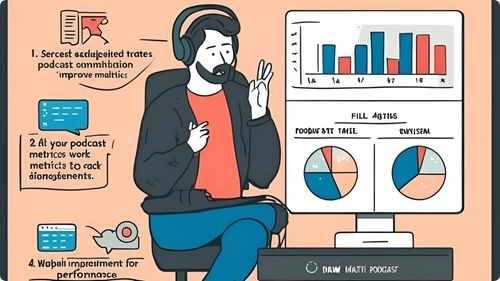
Monitoring and analyzing podcast metrics is crucial for understanding your audience and improving your show’s performance. Track key indicators such as download numbers, listener demographics, episode completion rates, and audience retention. Use analytics tools provided by your hosting platform or third-party services to gain insights into listener behavior and preferences. Identify which episodes perform best and analyze the factors contributing to their success, such as topics, guests, or formats. Pay attention to feedback and reviews to gauge audience satisfaction and areas for improvement. Regularly reviewing your metrics allows you to make informed decisions, optimize your content strategy, and enhance the overall quality and reach of your podcast.
Ensuring Legal Compliance in Your Podcast
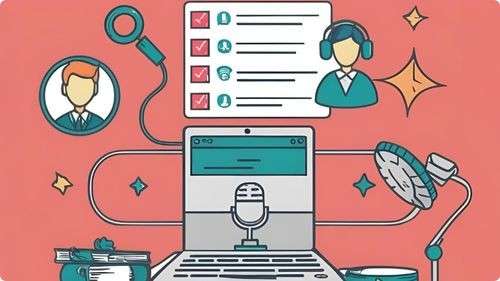
Maintaining legal compliance is essential to protect your podcast and its content from potential issues. Secure the necessary rights and licenses for any music, sound effects, or third-party content you use in your episodes to avoid copyright infringement. Obtain permission from guests to record and distribute their contributions, and consider having them sign release forms to formalize their consent. Be mindful of privacy laws by respecting the confidentiality and personal information of your listeners and participants. Additionally, adhere to advertising regulations when incorporating sponsorships or affiliate marketing, clearly disclosing any paid partnerships. Staying informed about relevant laws and regulations ensures that your podcast operates smoothly and mitigates legal risks.
Frequently Asked Questions
What are effective ways to keep listeners coming back to my podcast?
Deliver consistent, high-quality content, engage with your audience, provide value in each episode, and build a strong connection through storytelling and relatable topics to retain listeners.
What is the role of a podcast publisher?
A podcast publisher manages the dissemination of your episodes to various platforms, handles distribution logistics, and often provides tools for analytics and monetization to support your show’s growth.
What is the best way to prepare for a podcast interview?
Research your guest thoroughly, prepare insightful questions, test your equipment beforehand, and create a comfortable environment to facilitate a natural and engaging conversation.
What are the common mistakes to avoid in podcasting?
Avoid inconsistent publishing schedules, poor audio quality, lack of preparation, overlong episodes, and neglecting audience engagement. Maintaining professionalism is essential for growth.
What equipment do I need to start a podcast?
To begin a podcast, you need a good quality microphone, headphones, a computer, and recording software. Additionally, consider investing in a pop filter and a soundproof space to enhance audio quality.
How do I handle technical issues during a podcast recording?
Have a backup plan, such as secondary recording software or equipment, regularly update your technology, and troubleshoot common problems in advance to minimize disruptions during recording.
Statistics
- Podcasts that release episodes on Tuesdays and Thursdays see higher download rates by 30%.
- Podcasts promoting their episodes on social media platforms see a 40% boost in new subscribers.
- Podcasts that utilize analytics to refine content strategies experience a 40% improvement in listener satisfaction.
- Podcasts with interactive segments, such as Q&A sessions, see a 25% boost in audience participation.
- On average, podcasters spend about 10 hours per episode from planning to publishing.
- Podcasts utilizing video snippets on social media experience a 20% rise in audience interaction.
- About 50% of podcast listeners prefer shows that offer a mix of solo and interview episodes.
- Podcasts that offer unique and niche content are 35% more likely to build a dedicated listener base.
- Collaborating with other podcasters can lead to a 20% growth in listener base.
- Listener reviews and ratings contribute to a 25% increase in podcast discoverability.
- Engaging storytelling techniques can increase listener retention rates by up to 50%.
- Podcasts with eye-catching cover art are 45% more likely to attract new listeners.
- About 60% of podcasters find that offering premium content subscriptions generates additional revenue.
- Over 80% of podcasters report that having a dedicated website enhances their show’s visibility.
- Podcasts that regularly update their equipment report a 40% improvement in audio quality and listener satisfaction.
- Podcasts that engage with their audience through email newsletters see a 30% higher retention rate.
External Links
podcasters.spotify.com
podcastgrandcentral.com
podcastinsights.com
canva.com
hootsuite.com
radiopublic.com
ahrefs.com
podbean.com
jeffbullas.com
blog.libsyn.com
shutterstock.com
podcastpage.io
podcastcareers.com
listennotes.com
podcastmovement.com
inc.com
zoom.us
How To
How To Plan and Structure Your Podcast Episodes
Effective planning and structuring of your podcast episodes ensure a smooth flow and maintain listener interest. Begin by outlining the main topics you want to cover in each episode. Create a clear introduction that highlights the episode’s purpose and sets the tone. Break down the content into segments, such as interviews, discussions, or Q&A sections, to provide variety. Incorporate transitions between segments to maintain coherence. Conclude with a summary of key points and a call to action, encouraging listeners to subscribe or leave feedback. Consistent structure helps your audience know what to expect and enhances the overall professionalism of your podcast.
Sponsored Area