How to Start a Podcast (Pt 2): How to Structure a Podcast Episode | Shure
1,357 View

- Publish Date:
- February 19, 2026
- Category:
- Learn to Podcast
- Video License
- Standard License
- Imported From:
- Youtube
The Shure Podcasting Series continues, this episode is all about structure and storytelling. We look at podcast formats and genres, how to keep your listeners hooked and why a trailer is important for building an audience. You’ll learn how to prepare for guests and how to use notes and a podcast script to keep you on track.
TIME STAMPS
00:00 Introduction
00:30 Episode Structure
02:21 The way you make people feel
03:04 The first 30 seconds
03:57 Trailer
04:38 Narrative Arc
05:16 Guest preparation
07:06 Script
07:38 Summary
PODCASTING EQUIPMENT
Microphone in the video (MV7): https://shu.re/3gtCjAV
Mobile microphone in the video (MV88+ Video Kit): https://shu.re/3VMPHAw
Headphones in the video (SRH840A): https://shu.re/3SkUSVu
Get your free guide on how to record a podcast here: https://shu.re/3VOfjgb
Find the perfect audio solution for your podcast: https://shu.re/3VOZOVy
More about Naomi and the Skylark Collective: https://skylarkcollective.co.uk/
More about the video location: https://www.theboatpod.com/
-----------------------------------------
Podcast Pacing for Audience Engagement
🎙️ Want to capture your listeners’ attention and keep them hooked? Podcast Pacing for Audience Engagement is your guide to mastering the rhythm of compelling communication. You'll learn how to build a strong pacing foundation, shift your pace to add value, understand how your delivery is perceived, and use pacing to express authentic passion. Whether you're just starting out or looking to fine-tune your skills, this class will help you speak with greater impact and confidence.
👉 Click here to join the online course now and start creating podcasts your audience will love!
2 Must-Know Podcasting Tips for Your Show
Developing a Unique Voice and Style

Establishing a unique voice and style sets your podcast apart and makes it memorable to listeners. Define your podcast’s personality by determining the tone, whether it’s conversational, formal, humorous, or inspiring. Be authentic in your delivery, allowing your genuine personality to shine through and connect with your audience. Develop consistent formatting, including how you introduce topics, transition between segments, and sign off each episode. Incorporate distinctive elements such as catchphrases, specific storytelling techniques, or unique soundscapes that reflect your podcast’s identity. A strong and consistent voice fosters recognition and loyalty, encouraging listeners to return and recommend your podcast to others.
Writing Effective Show Notes for Each Episode
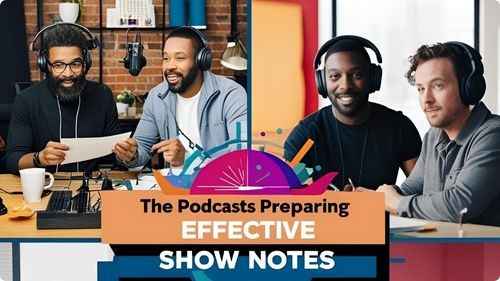
Show notes play a crucial role in enhancing your podcast’s accessibility and SEO performance. Start with a clear and concise summary of the episode, highlighting key topics and takeaways. Include timestamps to help listeners navigate to specific sections of the conversation easily. Provide detailed information about any resources, books, or tools mentioned during the episode, along with relevant links. Incorporate keywords naturally to improve search engine rankings and make your content more discoverable. Additionally, use show notes to promote upcoming episodes, special guests, or related content, encouraging ongoing listener engagement. Well-crafted show notes serve as a valuable reference for your audience and contribute to your podcast’s overall professionalism.
Frequently Asked Questions
How do I determine the right tone and style for my podcast?
Consider your target audience and the subject matter. Whether formal, conversational, or humorous, ensure the tone aligns with your content and resonates with your listeners.
What software is best for recording and editing podcasts?
Popular options include Audacity, which is free and user-friendly, and Adobe Audition, which provides advanced editing features. Choose software that fits your skill level and editing needs.
How long should a typical podcast episode be?
Episode length can vary, but typically ranges from 20 to 60 minutes. Choose a duration that suits your content and keeps your audience engaged without overwhelming them.
How can I collaborate with other podcasters?
Partner on joint episodes, guest on each other's shows, share resources, and promote each other's content. Collaboration expands your network and introduces your podcast to new audiences.
How important are podcast analytics?
Analytics help you understand your audience, track growth, and measure engagement. Use this data to refine your content strategy, improve listener experience, and make informed decisions about your podcast.
How can I create engaging podcast content?
Focus on topics you are passionate about, research thoroughly, and structure your episodes with a clear introduction, main content, and conclusion. Engaging storytelling and relevant information keep listeners interested.
What are effective ways to promote my podcast?
Utilize social media, collaborate with other podcasters, submit your show to podcast directories, and engage with your audience through newsletters or community forums to expand your reach.
Statistics
- Podcasts with interactive segments, such as Q&A sessions, see a 25% boost in audience participation.
- Podcasts promoting their episodes on social media platforms see a 40% boost in new subscribers.
- Effective use of keywords in podcast descriptions can improve search rankings by 30%.
- Genres such as true crime, technology, and personal development are among the most popular, attracting over 70% of listeners.
- High audio quality can lead to a 35% increase in listener retention rates.
- Engaging storytelling techniques can increase listener retention rates by up to 50%.
- Podcasts that include detailed show notes experience a 50% increase in listener engagement.
- Over 80% of podcasters report that having a dedicated website enhances their show’s visibility.
- About 60% of podcasters find that offering premium content subscriptions generates additional revenue.
- Podcasts that release episodes on Tuesdays and Thursdays see higher download rates by 30%.
- Podcasts utilizing video snippets on social media experience a 20% rise in audience interaction.
- Approximately 40% of podcasters use background music to enhance the listening experience.
- Listener reviews and ratings contribute to a 25% increase in podcast discoverability.
- On average, podcasters spend about 10 hours per episode from planning to publishing.
- About 50% of podcast listeners prefer shows that offer a mix of solo and interview episodes.
- Approximately 70% of successful podcasters invest in high-quality microphones to ensure clear audio.
External Links
blog.libsyn.com
inc.com
zoom.us
podcastitalia.com
radiopublic.com
help.apple.com
analytics.google.com
convinceandconvert.com
transistor.fm
buzzsprout.com
podcastinsights.com
apple.com
hootsuite.com
screencast-o-matic.com
jeffbullas.com
adobe.com
optimizingpodcasting.com
How To
How To Create a Podcast Launch Checklist
Creating a podcast launch checklist ensures that all necessary tasks are completed for a successful start. Begin by defining your podcast’s concept, including the niche, target audience, and episode format. Develop your branding elements, such as the podcast name, logo, and cover art, ensuring they reflect your show’s theme. Set up your recording equipment and software, conducting test recordings to verify audio quality. Plan and record several episodes in advance to provide a buffer and maintain consistency. Choose a reliable podcast hosting service and submit your podcast to major directories like Apple Podcasts and Spotify. Create a promotional strategy, including social media campaigns, email newsletters, and collaborations with other podcasters. Finally, launch your podcast with an initial set of episodes and actively promote it to generate interest and attract listeners from the outset.
Sponsored Area