How To Start A Podcast On YouTube (Complete YouTube Podcast Tutorial!)
140,285 View

- Publish Date:
- March 11, 2026
- Category:
- Learn to Podcast
- Video License
- Standard License
- Imported From:
- Youtube
-- LINKS --
(When available, we use affiliate links and may earn a commission!)
Where To Find More From Jerry Potter:
► YouTube: https://www.youtube.com/@mrjerrypotter
► Facebook: https://www.facebook.com/fiveminutesocialmedia?utm_source=youtube&utm_medium=description&utm_content=plothTBL1AA
► Instagram: https://www.instagram.com/mrjerrypotter
► Website: https://mrjerrypotter.com/?utm_source=youtube&utm_medium=description&utm_content=plothTBL1AA
Recommended Tool For Designing Your Podcast Thumbnail:
► Canva: https://primalvideo.com/go/canva-designer/?utm_source=youtube&utm_medium=description&utm_content=plothTBL1AA
Best Podcast Software:
► Descript: https://primalvideo.com/go/descript/?utm_source=youtube&utm_medium=description&utm_content=plothTBL1AA
► StreamYard: https://primalvideo.com/go/streamyard/?utm_source=youtube&utm_medium=description&utm_content=plothTBL1AA
► Riverside.FM: https://primalvideo.com/go/riversidefm/?utm_source=youtube&utm_medium=description&utm_content=plothTBL1AA
► Squadcast: https://primalvideo.com/go/squadcast/?utm_source=youtube&utm_medium=description&utm_content=plothTBL1AA
Podcast Researching Tools:
► Answer The Public: https://primalvideo.com/go/answer-the-public/?utm_source=youtube&utm_medium=description&utm_content=plothTBL1AA
► TubeBuddy: https://primalvideo.com/go/tubebuddy/?utm_source=youtube&utm_medium=description&utm_content=plothTBL1AA
Recommended Videos:
► Best Podcast Microphones in 2024: https://youtu.be/vDGXu4YlWXk
► How To Create A YouTube Channel: https://youtu.be/_IUBQY6bnkE
► Hosting Your Podcast on Other Platforms: https://youtu.be/KjWAzevs4SY
📕 Learn the 3 most powerful tools & ranking strategies to 10X your traffic on YouTube! Grab the FREE YouTube Ranking Guide ► https://primalvideo.com/youtube-ranking-guide/?utm_source=youtube&utm_medium=description&utm_content=plothTBL1AA 📕
Timestamps:
00:00 How To Start A Podcast On YouTube (Complete Guide!)
00:49 What Do You Need To Start A Podcast?
01:06 #1 Who is Your Audience?
01:30 #2 Create A Podcast Title
03:00 #3 Write Your Description + What To Include
04:20 #4 YouTube Podcast Thumbnail Design
05:28 What Gear Do You Need To Start A Podcast?
08:50 What Software Do You Need To Start A Podcast?
10:48 Planning Your Podcast
12:57 How To Setup & Upload Your Podcast on YouTube
17:44 How To Share Your YouTube Podcast?
18:30 Other Podcast Hosting Apps
*** GEAR WE USE ***
https://primalvideo.com/gear?utm_source=youtube&utm_medium=description&utm_content=plothTBL1AA
🚀 Join the Primal Video Accelerator waitlist: https://primalvideo.com/pvaccelerator?utm_source=youtube&utm_medium=description&utm_content=plothTBL1AA 🚀
Learn how to build an audience, generate new leads on autopilot and SCALE your business with video step-by-step in our fast-track Primal Video Accelerator program!
--
Become a Primal Video Insider (100% free) to access advanced workshops, bonus trainings, and regular PV updates:https://primalvideo.com/subscribe?utm_source=youtube&utm_medium=description&utm_content=plothTBL1AA
-- How to Create a Podcast on YouTube for Beginners --
Podcasting has become incredibly popular over the past few years, and now YouTube has joined the other top podcasting platforms by implementing their own YouTube Podcasts feature. This is a great tool to help you reach more audiences and grow on YouTube!
But it can seem daunting with so many things to consider when you’re getting started… You need to know how to record a podcast, basic podcasting equipment, how to use YouTube podcasts, and more!
In this complete guide, we’ll share everything you need to know about YouTube Podcasting for beginners. From how to make a podcast for YouTube to some basic podcasting equipment to some top podcasting tips that will help you along the way!
– Related Content –
- YouTube Podcast: Beginner’s Guide: https://youtu.be/6xm3lbYyXZ8
- Our COMPLETE YouTube Creation Workflow:https://youtu.be/NUochGYM2AA
- How to Make a YouTube Video Intro:https://youtu.be/MKe0NlMLLao
- Best Royalty Free Music Sites:https://youtu.be/x26J79H1L18
DISCLOSURE: We often review or link to products & services we regularly use and think you might find helpful. Wherever possible we use referral links, which means if you click one of the links in this video or description and make a purchase we may receive a small commission or other compensation.
We're big fans of Amazon, and many of our links to products/gear are links to those products on Amazon. We are a participant in the Amazon Services LLC Associates Program, an affiliate advertising program designed to provide a means for us to earn fees by linking to Amazon.com and related sites.
-----------------------------------------
Podcast with NLP for High Audience Growth
Podcast with NLP for High Audience Growth
🎙️ Want to turn your podcast into a high-growth platform that truly influences and inspires? Podcast with NLP for High Audience Growth is your gateway to mastering communication on a deeper, more impactful level. This course isn’t just about NLP—it’s about transforming the way you speak, connect, and persuade through every episode you produce.
You'll learn how to build instant rapport, deliver messages that resonate and get shared, and communicate with clarity and confidence. By understanding the psychology behind how people receive and process information, you’ll craft a podcast that doesn’t just get heard—it gets remembered.
Whether you're in sales, marketing, coaching, or simply want to grow your influence, this training will show you how powerful, purpose-driven communication can take your podcast to the next level.
👉 Click here to join the online course now and start using NLP-powered communication to engage, influence, and grow your audience!
3 Must-Know Podcasting Tips for Your Show
Ensuring Legal Compliance in Your Podcast
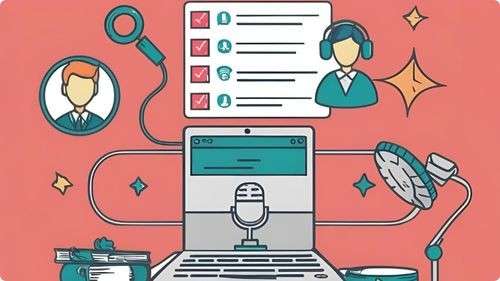
Maintaining legal compliance is essential to protect your podcast and its content from potential issues. Secure the necessary rights and licenses for any music, sound effects, or third-party content you use in your episodes to avoid copyright infringement. Obtain permission from guests to record and distribute their contributions, and consider having them sign release forms to formalize their consent. Be mindful of privacy laws by respecting the confidentiality and personal information of your listeners and participants. Additionally, adhere to advertising regulations when incorporating sponsorships or affiliate marketing, clearly disclosing any paid partnerships. Staying informed about relevant laws and regulations ensures that your podcast operates smoothly and mitigates legal risks.
Utilizing Transcriptions to Enhance Accessibility

Providing transcriptions of your podcast episodes can significantly enhance accessibility and reach a broader audience. Transcriptions cater to individuals who are deaf or hard of hearing, ensuring that your content is inclusive. They also benefit listeners who prefer reading over listening or want to reference specific parts of an episode quickly. Additionally, transcriptions improve your podcast’s SEO, as search engines can index the text, making your content more discoverable. Offering transcriptions on your website or as downloadable files adds value for your audience and demonstrates your commitment to accessibility. Incorporating transcriptions into your podcast strategy can lead to increased engagement and a more diverse listener base.
Creating Eye-Catching Podcast Artwork
Your podcast artwork is often the first impression potential listeners have of your show, making it crucial for attracting attention and conveying your podcast’s essence. Design a visually appealing and professional cover that reflects your podcast’s theme and personality. Use high-contrast colors and clear typography to ensure readability, even at smaller sizes typically displayed on listening platforms. Incorporate imagery or icons that symbolize your content, helping to communicate your podcast’s focus at a glance. Ensure your artwork meets the technical specifications of major podcast directories, such as Apple Podcasts, to maintain quality across platforms. Compelling podcast artwork not only draws in new listeners but also reinforces your brand identity and professionalism.
Frequently Asked Questions
What are effective ways to keep listeners coming back to my podcast?
Deliver consistent, high-quality content, engage with your audience, provide value in each episode, and build a strong connection through storytelling and relatable topics to retain listeners.
How do I handle technical issues during a podcast recording?
Have a backup plan, such as secondary recording software or equipment, regularly update your technology, and troubleshoot common problems in advance to minimize disruptions during recording.
What equipment do I need to start a podcast?
To begin a podcast, you need a good quality microphone, headphones, a computer, and recording software. Additionally, consider investing in a pop filter and a soundproof space to enhance audio quality.
How can I create engaging podcast content?
Focus on topics you are passionate about, research thoroughly, and structure your episodes with a clear introduction, main content, and conclusion. Engaging storytelling and relevant information keep listeners interested.
What legal considerations should I be aware of in podcasting?
Ensure you have rights to any music or content used, obtain necessary permissions for guest appearances, and adhere to copyright laws. Consider including disclaimers and privacy policies as needed.
What are effective ways to promote my podcast?
Utilize social media, collaborate with other podcasters, submit your show to podcast directories, and engage with your audience through newsletters or community forums to expand your reach.
Statistics
- Podcasts that regularly update their equipment report a 40% improvement in audio quality and listener satisfaction.
- Podcasts that offer unique and niche content are 35% more likely to build a dedicated listener base.
- Investing time in marketing can increase a podcast’s audience by up to 50% annually.
- Effective use of keywords in podcast descriptions can improve search rankings by 30%.
- Podcasts with eye-catching cover art are 45% more likely to attract new listeners.
- Approximately 65% of podcasters monetize their shows through sponsorships and advertising.
- On average, podcasters spend about 10 hours per episode from planning to publishing.
- Podcasts that engage with their audience through email newsletters see a 30% higher retention rate.
- Approximately 40% of podcasters use background music to enhance the listening experience.
- Podcasts that utilize analytics to refine content strategies experience a 40% improvement in listener satisfaction.
- Collaborating with other podcasters can lead to a 20% growth in listener base.
- Podcasts that include detailed show notes experience a 50% increase in listener engagement.
- Podcasts utilizing video snippets on social media experience a 20% rise in audience interaction.
- About 60% of podcasters find that offering premium content subscriptions generates additional revenue.
- Guest appearances on podcasts can result in a 15% increase in subscriber numbers.
- Podcasts with interactive segments, such as Q&A sessions, see a 25% boost in audience participation.
External Links
buzzsprout.com
thepodcasthost.com
podbean.com
podcastmovement.com
jeffbullas.com
patreon.com
analytics.google.com
screencast-o-matic.com
socialmediaexaminer.com
shutterstock.com
mailchimp.com
podcastpage.io
audacityteam.org
blog.podomatic.com
podcastitalia.com
hootsuite.com
convinceandconvert.com
How To
How To Create a Podcast Sponsorship Deck
Creating a podcast sponsorship deck is essential for attracting and securing sponsors. Begin by designing a visually appealing presentation that reflects your podcast’s branding and style. Include an introduction that outlines your podcast’s mission, target audience, and niche, highlighting what makes your show unique. Provide detailed listener statistics, such as download numbers, demographics, and engagement rates, to demonstrate your podcast’s reach and influence. Showcase testimonials or case studies from previous sponsors, if available, to build credibility. Outline the sponsorship opportunities you offer, including ad placements, sponsored episodes, and exclusive partnerships, along with pricing and benefits. Include your contact information and a clear call to action, encouraging potential sponsors to reach out for more information. A well-crafted sponsorship deck effectively communicates the value of partnering with your podcast and increases your chances of securing sponsorships.
Sponsored Area