How to make AI Podcast videos that go VIRAL (FULL TUTORIAL)
985 View

- Publish Date:
- March 9, 2026
- Category:
- Podcasting
- Video License
- Standard License
- Imported From:
- Youtube
📄 GET THE FREE SCRIPT FRAMEWORK:
https://drive.google.com/file/d/1v0cE91OTkV-BZ_YerIvQjJTYXNOqBvKr/view?usp=sharing
Learn the complete process of creating AI podcast videos that generate revenue through affiliate marketing and brand partnerships. This comprehensive guide walks you through everything from initial strategy to monetization, showing you how to leverage AI tools to produce professional podcast content at scale.
Discover how to develop a winning content strategy tailored for AI podcast creation, master scriptwriting techniques that keep viewers engaged, and generate compelling video concepts that convert. Whether you're building an affiliate content channel or creating branded podcast content for your business, this video covers the essential frameworks and best practices you need to succeed.
Perfect for content creators looking to monetize through affiliates, ecommerce brands wanting to establish their own podcast presence, and marketers seeking scalable video production solutions. Learn the exact workflow for turning AI-generated content into profitable video assets that drive real business results.
0:00 How to structure and create viral AI talking head videos
0:46 Breakdown of a viral video script and why it works
2:03 How to extract transcripts and prompts from TikTok videos
2:48 The exact script formula for viral educational ads
5:21 How to generate consistent AI characters from screenshots
6:33 Changing an AI character's appearance using prompts
7:04 How to make an AI character hold a specific product
7:35 Comparing AI voice generation tools (11Labs vs Cloning)
9:13 The best method for generating realistic AI voices
10:22 How to lip sync your audio and image using Fabric 1.0
11:22 Generating a short video hook using AI
-----------------------------------------
Podcast Outsourcing
🎙️ Ready to stop drowning in podcast production tasks? If you're tired of spending countless hours editing, uploading, and managing your show instead of actually podcasting, this is your solution. Podcast Outsourcing teaches you how to delegate the time-consuming parts of podcasting so you can focus on what you do best—creating great content.
Imagine showing up to record, then letting a team of skilled freelancers handle everything else—audio editing, blog creation, guest scheduling, uploading episodes, and more. This course walks you through how to build your dream team of remote support, streamline your workflow, and save serious time and money in the process.
You’ll also discover how outsourcing not only boosts your podcast’s growth but also creates real opportunities for people around the world.
👉 Click here to join the online class now and start working smarter—not harder—with podcast outsourcing that scales your success.
2 Must-Know Podcasting Tips for Your Show
Writing Effective Show Notes for Each Episode
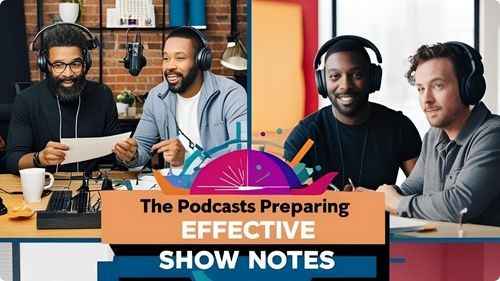
Show notes play a crucial role in enhancing your podcast’s accessibility and SEO performance. Start with a clear and concise summary of the episode, highlighting key topics and takeaways. Include timestamps to help listeners navigate to specific sections of the conversation easily. Provide detailed information about any resources, books, or tools mentioned during the episode, along with relevant links. Incorporate keywords naturally to improve search engine rankings and make your content more discoverable. Additionally, use show notes to promote upcoming episodes, special guests, or related content, encouraging ongoing listener engagement. Well-crafted show notes serve as a valuable reference for your audience and contribute to your podcast’s overall professionalism.
Developing a Unique Voice and Style

Establishing a unique voice and style sets your podcast apart and makes it memorable to listeners. Define your podcast’s personality by determining the tone, whether it’s conversational, formal, humorous, or inspiring. Be authentic in your delivery, allowing your genuine personality to shine through and connect with your audience. Develop consistent formatting, including how you introduce topics, transition between segments, and sign off each episode. Incorporate distinctive elements such as catchphrases, specific storytelling techniques, or unique soundscapes that reflect your podcast’s identity. A strong and consistent voice fosters recognition and loyalty, encouraging listeners to return and recommend your podcast to others.
Frequently Asked Questions
What are effective ways to keep listeners coming back to my podcast?
Deliver consistent, high-quality content, engage with your audience, provide value in each episode, and build a strong connection through storytelling and relatable topics to retain listeners.
How do I submit my podcast to directories like Apple Podcasts and Spotify?
Create an account with a podcast hosting service, ensure your podcast meets the directory’s requirements, and follow their submission guidelines. Hosting services often provide easy distribution options.
What role do podcast covers and branding play?
Visual elements like podcast covers and branding are crucial for making a strong first impression, attracting potential listeners, and conveying the essence of your show effectively.
How do I handle technical issues during a podcast recording?
Have a backup plan, such as secondary recording software or equipment, regularly update your technology, and troubleshoot common problems in advance to minimize disruptions during recording.
How can I incorporate interviews into my podcast?
Plan your questions in advance, ensure good audio quality for both parties, and create a comfortable environment for your guest. Interviews add variety and different perspectives to your show.
How can I effectively use social media to support my podcast?
Share episode updates, engage with listeners, join relevant groups, and use platforms to promote content snippets. Social media extends your reach and fosters a community around your podcast.
Statistics
- On average, podcasters spend about 10 hours per episode from planning to publishing.
- About 50% of podcast listeners prefer shows that offer a mix of solo and interview episodes.
- Podcasts that include detailed show notes experience a 50% increase in listener engagement.
- Using transcription services can make podcasts accessible to a wider audience, increasing reach by up to 25%.
- Approximately 65% of podcasters monetize their shows through sponsorships and advertising.
- Investing in professional editing services can enhance the overall quality of a podcast, leading to a 30% increase in positive feedback.
- Effective use of keywords in podcast descriptions can improve search rankings by 30%.
- Engaging storytelling techniques can increase listener retention rates by up to 50%.
- Podcasts promoting their episodes on social media platforms see a 40% boost in new subscribers.
- Listeners prefer podcast episodes that range between 30 to 45 minutes, with 65% favoring this duration.
- About 60% of podcasters find that offering premium content subscriptions generates additional revenue.
- Guest appearances on podcasts can result in a 15% increase in subscriber numbers.
- Podcasts that release episodes on Tuesdays and Thursdays see higher download rates by 30%.
- Podcasts that regularly update their equipment report a 40% improvement in audio quality and listener satisfaction.
- Podcasts with interactive segments, such as Q&A sessions, see a 25% boost in audience participation.
- Podcasts that offer unique and niche content are 35% more likely to build a dedicated listener base.
External Links
inc.com
audacityteam.org
mailchimp.com
blog.libsyn.com
anchor.fm
podcastpage.io
podcastinsights.com
analytics.google.com
screencast-o-matic.com
radiopublic.com
thepodcasthost.com
convinceandconvert.com
podcastmovement.com
shutterstock.com
canva.com
hootsuite.com
podbean.com
How To
How To Create a Podcast Newsletter
Creating a podcast newsletter helps keep your audience informed and engaged with your show. Start by building an email list through sign-up forms on your podcast’s website, social media profiles, and during podcast episodes, offering incentives like exclusive content or episode previews to encourage subscriptions. Design a visually appealing newsletter template that aligns with your podcast’s branding, ensuring it is mobile-friendly and easy to read. Include key elements such as episode summaries, release dates, behind-the-scenes insights, and links to recent episodes. Incorporate sections for listener feedback, questions, or community highlights to foster interaction. Additionally, promote upcoming events, collaborations, or special announcements through your newsletter. Regularly send out newsletters on a consistent schedule to maintain a strong connection with your audience and encourage ongoing engagement with your podcast.
Sponsored Area