I Tested Every Popular Podcast Mic So You Don't Have To
1,409 View

- Publish Date:
- July 5, 2026
- Category:
- Podcasting
- Video License
- Standard License
- Imported From:
- Youtube
The audio in this video is only normalized and no processing was applied. Additionally, this video is not sponsored. All equipment was purchased by me. Thanks for watching!
Audio card breakdown: https://youtu.be/kzgbDTzzSTw
CHAPTERS:
00:00 - Intro
00:38 - Microphone Review #1
04:10 - Microphone Review #2
06:36 - Microphone Review #3
08:36 - Microphone that surprised me the most
10:48 - Best Mic Position for Podcasting Tips
13:40 - Audio Technica AT2040 Insights
15:35 - Sennheiser MKH50 Performance
16:51 - Using Your Phone for Audio
18:02 - Wrapping Up and Conclusion
Gear highlighted in this video (affiliate links):
Rodecaster Pro II: https://geni.us/xTo0
Shure SM7b: https://geni.us/PEufjOQ
Audio Technica AT2040: https://geni.us/i1WssO
Sennheiser MKH50: https://geni.us/TjnDh
Boom mic arm stand: https://geni.us/aGGkvEd
Mic arm: https://geni.us/UseU3u4
Desktop mic stand: https://geni.us/udGI7p8
Magsafe mount: https://geni.us/emrVXL
Tripod stand: https://geni.us/RgGH
====================================
Cameras I'm currently using:
Sony FX3: https://geni.us/D5p6Vdr
Sony a7siii: https://geni.us/CfsV7G2
Sony a6700: https://geni.us/At3iTV
Full frame lenses I use the most:
Sigma 24-70mm f2.8: https://geni.us/9N8aKH
Sony 16-35mm f4: https://geni.us/SooMn
Tamron 35-150mm: https://geni.us/R8iOU
Favorite APS-C Lenses:
Sigma 10-18mm f2.8: https://geni.us/XCFkOZT
Sigma 18-50mm f2.8: https://geni.us/b47xtv
Sigma 16mm f1.4: https://geni.us/YAA32i
Viltrox 27mm f1.2: https://geni.us/CDdo2
Wireless mics:
DJI Wireless Mics (Best usability): https://geni.us/2HyAn0N
Rode Wireless Go II (Best audio quality): https://geni.us/JKobzH7
Livestream and podcast equipment:
Rodecaster Pro 2: https://geni.us/YMrxPN
ATEM Mini Pro ISO: https://geni.us/nYHhub
Shure SM7b: https://geni.us/PEufjOQ
Comfortable headphones: https://geni.us/K5ekM3
AI Tools I'm currently using: https://youtu.be/-yEPSNR6hec
AI Tools I use to manage my channel (affiliate links):
VidIQ: https://vidiq.com/krico
Title & Description generator: https://www.taja.ai/?via=kri
Turn videos into blog posts: https://koala.sh/?via=kri
Create vertical clips from videos: https://www.opus.pro/?via=kri
Video podcast recording and AI Editing Tools: https://creators.riverside.fm/Kri (Use coupon code 'Kri' for 15% Off)
Tool I use to generate ideas and grow my channel: https://vidiq.com/krico
Connect
➡️ https://www.instagram.com/kriedholm/
➡️ https://twitter.com/kriedholm
Thank you for watching!
This video was not paid for by outside persons or manufacturers. As an Amazon Associate, I earn from qualifying purchases.
No gear was supplied to me for this video.
The content of this video and my opinions were not reviewed or paid for by any outside persons.
-----------------------------------------
Podcast in The Classroom - Kindergarten to High School
Looking for a fun and engaging way to teach students? Podcasting in the Classroom is an incredible tool that brings multimedia learning to life! Whether you're teaching Kindergarten or High School, this course will show you how to use podcasts to enhance learning, engage students, and even involve parents.
In this course, you’ll learn how to:
✅ Use podcasts as an interactive tool to engage your students
✅ Teach students how to create their own podcasts
✅ Keep parents and students up-to-date with podcast updates
✅ Review and improve teaching performance through podcasts
✅ Overcome common challenges like copyright and privacy concerns
With over one billion podcast subscribers worldwide, your students are likely already listening to podcasts — now, let them create their own! 📚
👉 Click here to enroll now and take your teaching to the next level with podcasts.
Make learning more interactive and fun — let's get podcasting in the classroom! 🎤
2 Must-Know Podcasting Tips for Your Show
Promoting Your Podcast on Social Media

Utilizing social media is a powerful way to promote your podcast and reach a broader audience. Identify the platforms where your target listeners are most active, such as Twitter, Instagram, Facebook, or LinkedIn. Create engaging posts that highlight episode highlights, guest appearances, and behind-the-scenes content. Use relevant hashtags to increase visibility and join conversations related to your podcast’s niche. Share audio clips or short video snippets to give potential listeners a taste of your content. Encourage your audience to share episodes with their networks, and interact with followers by responding to comments and messages. A strategic social media presence can significantly enhance your podcast’s reach and listener engagement.
Choosing the Right Equipment for Your Podcast
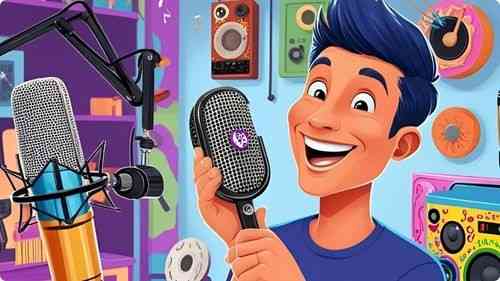
Selecting the appropriate equipment is fundamental to producing a high-quality podcast. Start with a reliable microphone that suits your recording environment, whether it's dynamic for noisy spaces or condenser for controlled settings. Investing in good headphones ensures accurate sound monitoring during recording and editing. Additionally, consider acquiring a pop filter to minimize unwanted sounds and a sturdy stand to maintain microphone stability. A quality audio interface can enhance sound clarity, especially if you're recording on a computer. Proper lighting and a quiet recording space also contribute to professional-sounding episodes. By carefully choosing your equipment, you set a strong foundation for your podcast’s success.
Frequently Asked Questions
How do I engage with my podcast audience?
Respond to listener feedback, encourage comments and questions, create interactive content, and build a community through social media or dedicated platforms to foster a loyal listener base.
How can I monetize my podcast?
Monetization options include sponsorships, advertising, listener donations, merchandise sales, and offering premium content. Choose strategies that align with your audience and content style.
How do I grow my podcast audience?
Produce high-quality content regularly, interact with listeners, leverage social media, optimize for search engines, and seek reviews and ratings to increase visibility and attract new listeners.
What is the role of a podcast publisher?
A podcast publisher manages the dissemination of your episodes to various platforms, handles distribution logistics, and often provides tools for analytics and monetization to support your show’s growth.
What are the best ways to receive feedback on my podcast?
Encourage listeners to leave reviews, conduct surveys, engage on social media, and create a feedback form on your website. Constructive feedback helps you improve and grow your podcast.
Statistics
- Podcasts with consistent weekly releases are 60% more likely to grow their audience steadily.
- Approximately 70% of successful podcasters invest in high-quality microphones to ensure clear audio.
- Podcasts that include detailed show notes experience a 50% increase in listener engagement.
- Investing in professional editing services can enhance the overall quality of a podcast, leading to a 30% increase in positive feedback.
- Over 80% of podcasters report that having a dedicated website enhances their show’s visibility.
- Genres such as true crime, technology, and personal development are among the most popular, attracting over 70% of listeners.
- Listeners prefer podcast episodes that range between 30 to 45 minutes, with 65% favoring this duration.
- Podcasts with interactive segments, such as Q&A sessions, see a 25% boost in audience participation.
- Investing time in marketing can increase a podcast’s audience by up to 50% annually.
- Podcasts that offer unique and niche content are 35% more likely to build a dedicated listener base.
- On average, podcasters spend about 10 hours per episode from planning to publishing.
- Listener reviews and ratings contribute to a 25% increase in podcast discoverability.
- About 60% of podcasters find that offering premium content subscriptions generates additional revenue.
- Using transcription services can make podcasts accessible to a wider audience, increasing reach by up to 25%.
- Podcasts that regularly update their equipment report a 40% improvement in audio quality and listener satisfaction.
- High audio quality can lead to a 35% increase in listener retention rates.
External Links
audacityteam.org
podcastitalia.com
podcastinsights.com
transistor.fm
podcastgrandcentral.com
hootsuite.com
convinceandconvert.com
jeffbullas.com
podbean.com
podcasters.spotify.com
buzzsprout.com
podcastcareers.com
patreon.com
inc.com
adobe.com
podcastpage.io
blog.podomatic.com
How To
How To Source and Use Guest Experts for Your Podcast
Featuring guest experts on your podcast adds credibility and provides valuable insights for your listeners. Begin by identifying experts who are knowledgeable and have a strong presence in your podcast’s niche. Research their background, previous work, and areas of expertise to ensure they align with your episode topics. Reach out to potential guests with a personalized invitation, highlighting the benefits of appearing on your show and how it can help them reach your audience. Prepare thoughtful questions and topics in advance to facilitate a meaningful and structured conversation during the interview. Ensure a professional recording setup to capture high-quality audio. After the episode, promote the guest’s participation through your channels and encourage them to share the episode with their network to maximize reach and engagement.
Did you miss our previous article...
https://podcasting-unleashed.com/podcasting/how-to-record-a-solo-podcast-easily-2-min-tutorial
Sponsored Area