A Beetle That Eats Bones, an Elephant With a Secret Treatment, and 10 Years of Smithsonian's Best Podcast
0 View

- Publish Date:
- October 11, 2026
- Category:
- Latest News
- Video License
- Standard License
- Imported From:
- Youtube
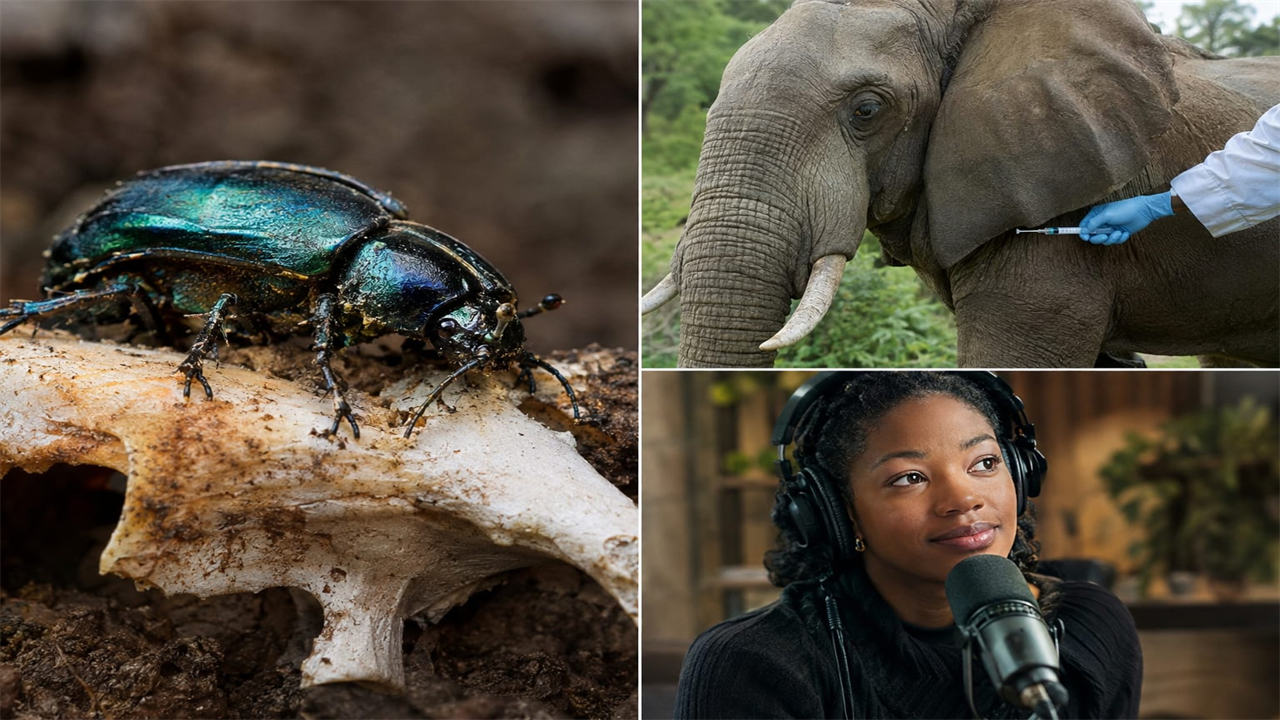
What do a baby elephant, a colony of flesh-eating beetles, and the Declaration of Independence have in common? They're all showing up in the same podcast season. That's the kind of weird, wonderful mix that's kept me subscribed to Sidedoor for years.
The Smithsonian's flagship podcast dropped its 13th season on October 7, and it's doing it while celebrating 10 years on the air. Ten years of opening doors most of us never knew existed.
Here's what gets me about Sidedoor. The Smithsonian sits on about 157 million objects, works of art and specimens. Most of us will walk through maybe three of its 20 museums in a lifetime, if we're lucky. Sidedoor is how you get the other 99.9%.
Host Lizzie Peabody, a senior producer at the Institution, has been the voice behind the show since it launched in 2016. In that time, it's racked up more than 20 million lifetime downloads. That's not a niche hobby podcast. That's a genuine cultural force.
What's Actually in Season 13
This season opens with Linh Mai, a baby Asian elephant at the Smithsonian's National Zoo, and the unconventional treatment that helped her survive and thrive. I won't spoil it, but it's the kind of story that makes you realize how much trial-and-error goes into caring for an animal most vets have never treated.
Then there's the beetles. The National Museum of Natural History keeps thousands of animal skeletons in its collection, and getting them clean enough for research isn't a job for scalpels and patience alone. It's a job for beetles. Specific beetles, doing specific work, in a process most people will never think about until they hear this episode.
And then the Declaration of Independence. You'd think a document that important would have a simple, dignified history. It doesn't. Sidedoor digs into the document's years-long journey around Washington before it landed permanently at the National Archives, and what the Smithsonian had to do with getting it there.
Peabody put it best herself: "Twelve seasons of the show have left me in awe of the curatorial work, cutting-edge research and archival preservation happening across the Institution, and of the people doing it." She also promised salsa beats, a new 900-pound zoo celebrity, and, in her words, "quite a bit of poop." Fair warning.
Why This Matters to You
I've spent years traveling full-time, chasing stories and places most people only read about. What I've learned is that curiosity doesn't need a passport. Sometimes the most unexpected door into history is a podcast episode you hit play on while you're folding laundry or driving across three states.
Julissa Marenco, the Smithsonian's Assistant Secretary for Communications and External Affairs, said Sidedoor "gives audiences a chance to go beyond what they see in our museums, connecting them with the experts, discoveries and collections that bring those stories to life." That's the whole point. You don't need to stand in front of a glass case in Washington, D.C. to get the story behind what's in it.
Sidedoor is produced through a partnership between the Smithsonian and PRX, the public media organization whose programming reaches over 99% of the U.S. PRX also backs other Smithsonian shows like AirSpace and There's More to That. PRX's CEO, Jason Saldanha, called Sidedoor's 10-year run inspiring, and said the show plays "an essential role in listeners' lives."
New episodes land every other Wednesday on Apple Podcasts, Spotify, Sidedoor's own website, and YouTube, where the full back catalog is streaming too.
Here's my question for you: what's a door you haven't walked through yet? A museum wing you've skipped, a subject you've assumed was boring, a story sitting right under your nose that nobody's told you yet? Sidedoor's whole 10-year run proves there's always another unexpected angle on something you thought you already understood.
Go find it. Press play.
Source: Van Nuys News Press
Related reading from us: Apple Just Hired a Team Without Buying the Company. Here's How That Works.
Sponsored Area