Bartlett Just Knocked Joe Rogan Off the Podcast Throne
0 View

- Publish Date:
- November 4, 2026
- Category:
- Latest News
- Video License
- Standard License
- Imported From:
- Youtube
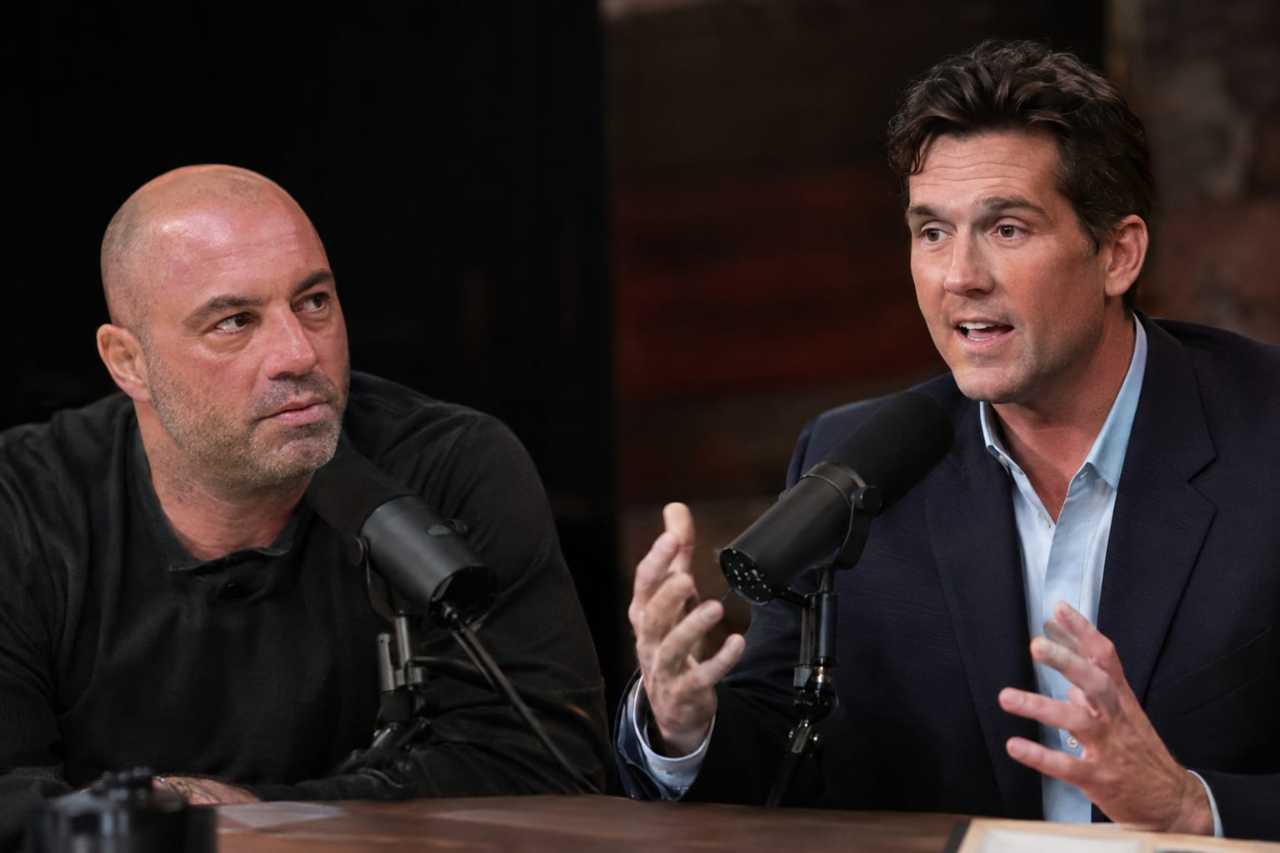
Steven Bartlett just did something I didn't think was possible.
His show, The Diary of a CEO, has overtaken Joe Rogan to become the most-subscribed podcast on YouTube. Rogan has been the undisputed king of podcasting for years. Not anymore.
So how'd Bartlett pull it off?
Numbers, for one. Diary of a CEO has racked up more than a billion YouTube views so far this year. But here's the part that caught my attention: 261 million of those views came from audio tracks in languages other than English.
That's not a rounding error. That's a quarter of his audience watching in another language entirely.
Bartlett's team says international audiences have become a real driver of the show's growth. Makes sense to me. I've spent years traveling the world, and if there's one thing I've learned, it's that curiosity doesn't stop at a border. People everywhere want good conversation, good stories, and a reason to keep learning. YouTube's multi-language audio tracks just made it easier for Bartlett to reach them without lifting a finger on translation.
Recent guests on the show include Ukrainian President Zelenskyy, Mark Cuban, Texas lawmaker James Talarico, AI skeptic Ed Zitron, and Seth Godin. That's a broad guest list. Business, politics, tech, marketing. No wonder the audience keeps growing.
An Old Podcast Comes Back From the Dead
Here's a fun one. Adam Curry's Daily Source Code, one of the oldest podcasts in existence, has been painstakingly rebuilt and put back online.
Christopher Isene took on the project, restoring the complete archive and adding transcripts and chapters to all 863 episodes. If you've never seen Steve Jobs demo podcasting for the first time using an episode of Daily Source Code, go find it. He cuts it off fast. Really fast. Watch it and tell me you're not curious why.
Small Wins Worth Noting
Captivate renewed its IAB Podcast Measurement Guidelines certification, now up to v2.3, with a new Ad Delivery metric added. RSS.com rolled out voicemail for listeners, so your audience can leave feedback and you get an email notification. And the video podcast app Parasocial added support for in-line, full-screen, and picture-in-picture playback across iPhone, iPad, and Mac.
Small updates, but they add up. Podcasting keeps evolving whether you're paying attention or not.
The Darker Side of the Numbers
Not everything in podcasting is growth and good news.
A tracker from the Underheard newsletter found that around 600 right-wing accounts, podcasts, and outlets have made roughly 7,000 statements claiming the 2026 midterms can't be trusted — before a single vote has been counted. Media Matters separately counted more than 148 election-denier bookings across just eight shows between July and mid-October.
That's worth sitting with for a second. Why does that matter to you? Because the shows you listen to shape what you believe is true, whether you realize it or not.
Meanwhile, a show called Education Across the States appears to be AI-generated, with its audio and thumbnails hosted on Meta's Muse AI app. Strange little discovery, courtesy of John Spurlock. Makes you wonder how much of what you're hearing is even made by a person.
Spreaker's Piracy Problem Isn't Going Away
Last week Podnews reported that Spreaker, owned by iHeart, appears to be letting users steal other podcasts to earn ad revenue. This week's update: Spreaker cleaned up 72 shows. That leaves 1,706 duplicate shows still sitting in Apple Podcasts, lifted from companies like NRJ, History Hit, NBC News, Audacy, and Vox Media.
Why would Spreaker drag its feet? Follow the money. They earn 41% from ads injected into stolen shows.
The Podcast Index has now published daily data on "lookalike" feeds across its catalog, flagging copies by title, episode count, and padded runtime. Of the top 500 suspicious shows, more than 290 trace back to Spreaker, with copied content from the BBC, Double Elvis, the New York Times, CBC, Barstool Sports, NPR, and Audiochuck.
It's a mess. But at least someone's keeping score.
What It All Means
Podcasting is still wide open territory. New number ones. Old shows reborn. New tools. New problems. That's what makes it worth watching.
If an industry built on people talking into microphones can still surprise you this much, imagine what else is out there waiting to be discovered.
Source: Podnews
If you missed it: Why Giggly Squad's Radio Deal Says More About the Future of Podcasting Than You'd Think
Sponsored Area