Podcasts Promised Marketers Gold. Now Nobody Can Agree How to Count It.
0 View

- Publish Date:
- November 4, 2026
- Category:
- Latest News
- Video License
- Standard License
- Imported From:
- Youtube
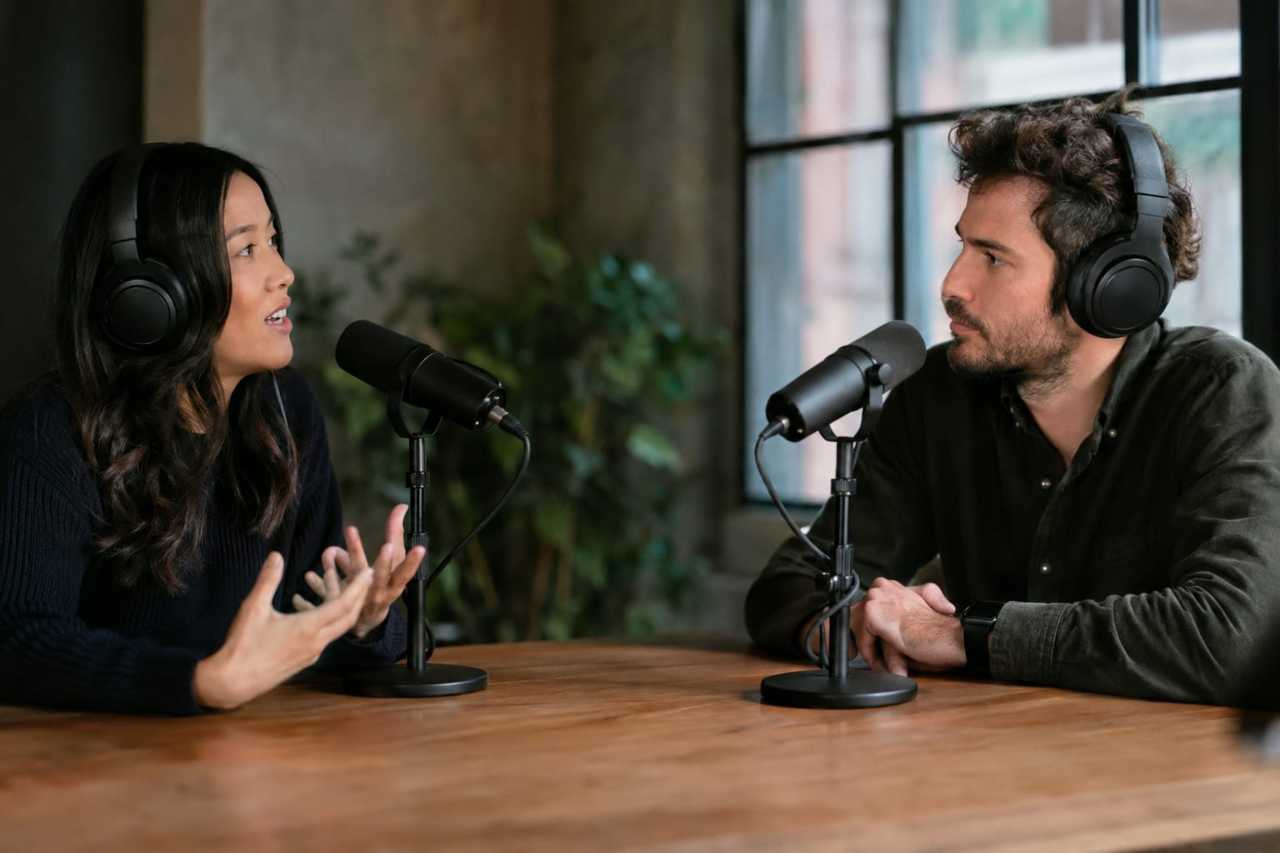
I listen to a lot of podcasts. Hours of them, actually — driving across borders, waiting in airports, hiking trails where my phone somehow still finds a signal. So when I saw a report calling podcast advertising "a bit of a mess, frankly," I had to dig in. Because from where I sit, as a listener, the ads don't feel messy. They feel like they're everywhere.
Turns out the mess isn't on my end. It's on the advertiser's end.
A new report from the podcasting ad agency Oxford Road, shared with Business Insider's CMO Insider, lays out a problem that's been quietly building for years: brands don't actually know what they're getting when they buy podcast ads. Oxford Road EVP Giles Martin didn't mince words about it. "The exposure side, the attribution side — they're both a bit of a mess, frankly," he said.
Here's why that matters, even if you're not a marketer.
The Numbers Don't Add Up the Same Way Twice
Podcasts live across a scattered map of platforms — RSS feeds, Spotify, Apple, and increasingly YouTube. Each one counts its audience differently. Downloads here, streams there, views somewhere else. It's like trying to compare miles to kilometers without knowing which one someone's using.
Then there's attribution — figuring out whether an ad actually worked. Marketers are stitching together promo codes, tracking pixels, geo-testing, and media mix modeling, hoping the combination tells them something true. Martin says that patchwork approach "makes it harder for advertisers to buy, it makes it harder for sellers to sell, and it can make it harder for creators to get the money they deserve."
Oxford Road surveyed 41 marketers in July, representing somewhere between $400 million and $500 million in podcast ad spending. Among them: 57% said measurement gaps are holding back their podcast investment. For companies spending $100 million or more a year on media, that number jumps to 90%.
So what happens when a $100 million advertiser doesn't trust the data? They pull back. Forty percent of those surveyed said other advertising channels simply deliver a better return. And growth is already slowing — only 40% plan to increase podcast budgets in 2027, down sharply from the 59% who increased them this year.
Too Many Ads, Too Little Trust
Measurement isn't the only headache. More than 40% of marketers blamed the actual "advertising environment" — cluttered ad breaks, repeated spots, host-read ads that sound phoned in, or ads that literally cut off mid-sentence. If you've ever skipped ahead through five minutes of back-to-back sponsor reads, you already know what they're talking about.
And that's a shame, because the format's real strength is connection. "A good host read sounds like advice from a friend," said Byron Tassoni-Resch, CEO of performance marketing agency WeDiscover. That's exactly why I keep listening — a host I trust, recommending something, feels different than a billboard. But cram that same pitch into every episode, word for word, and the magic disappears fast.
A Better Way to Measure Something Messy
What strikes me here is how familiar this problem feels. I've run businesses. I've tried to measure what's actually working versus what just feels like it's working. The temptation is always to grab one easy number and trust it completely. Promo codes are a perfect example — they only count the people who remembered to use them, which tells you almost nothing about everyone else the ad reached.
Tassoni-Resch's advice? Stack methods together. Brand-lift studies, holdout tests, media mix modeling — none perfect alone, but combined they paint a real picture. "Brands buy podcasts like TV, but they measure them like search," he said. That mismatch is the whole problem in one sentence.
Martin's agency has been trying to fix this industry-wide. Last year it formed the Alliance for Measurement in Podcasting, bringing platforms, advertisers, agencies, and talent together. This year that group released the "AMP Accords," pushing for one universal definition of a podcast, standardized ways to count impressions, and a consistent approach to attribution.
"There's so much ambiguity here," Martin said. "We need a little bit more clarity in terms of what it is, how you count the exposures, and then how you measure the ROI."
Podcasting grew fast because it offered something real — an engaged, curious audience choosing exactly what they want to hear. That part still works. What doesn't work yet is proving it, measuring it, and respecting it enough not to ruin it with clutter.
Sounds like an industry still figuring itself out. I'll keep listening either way.
Source: Business Insider
Earlier in this series: BBC Sounds Just Had Its Biggest Quarter Ever — And It's Not Even Close
Sponsored Area