How I Actually Use AI for Podcasting (Without Letting It Take Over)
1 View

- Publish Date:
- June 12, 2026
- Category:
- Podcasting
- Video License
- Standard License
- Imported From:
- Youtube
AI is everywhere right now. Some creators see it as a threat, others think it's overhyped. In this episode of *The Creator's Log*, I share how I actually use AI in my podcasting workflow, and why I view it as an assistant rather than a replacement for creativity.
From developing episode ideas and refining outlines to creating show notes, social media captions, thumbnails, and even building a podcast website, I break down the real ways AI has helped me save time while keeping my voice and creative decisions intact.
I also talk about the mistakes creators make when relying too heavily on AI, why transcripts have become one of the most valuable tools in my workflow, and how I balance technology with the human side of podcasting.
Whether you're launching your first podcast, growing a creative project, or simply curious about how AI fits into content creation, this episode offers a practical look at what works, what doesn't, and where the creator still needs to stay in control.
In this episode:
* How I use AI to brainstorm podcast topics
* Creating outlines without scripting episodes
* Turning transcripts into SEO-friendly show notes
* Using AI for social media captions and marketing
* Building a podcast website with AI assistance
* Creating podcast artwork and thumbnails
* The limits of AI in creative work
* Why maintaining your voice matters
* Balancing efficiency with authenticity as a creator
Try out Descript at 50% off today: https://descript.cello.so/9C4wdTczrFL
Start podcasting for free with RSS.com: https://rss.com/?via=9e489f
Start a professional website with Beamly: https://beamly.com?via=krloz89
If you've been wondering how AI can fit into your creative workflow without replacing your ideas, this episode is for you.
Follow along at KRPodLab.com and connect with me on Instagram @KRPODLAB.
#Podcasting
#ContentCreator
#AIForCreators
#CreatorEconomy
#PodcastTips
#PodcastWorkflow
#ChatGPT
#VideoPodcast
#CreatorTools
#PodcastGrowth
-----------------------------------------
How to Start a Podcast - Podcasting Made Easy
Podcasting Made Easy is your ultimate guide to launching a successful show—fast, fun, and with zero overwhelm. Taught by podcast pioneer Scott Paton, this bestselling course walks you through setup, hosting, publishing, and growth strategies. With over 32,000 students, you’ll learn how to use tools like Libsyn, reach Spotify and Google Podcasts, and even build a podcasting business. Whether you're brand new or ready to scale, Power Podcasting helps you grow influence, relationships, and revenue—all while whispering directly into the ears of your ideal audience. Ready to get your voice heard and change lives?
3 Must-Know Podcasting Tips for Your Show
Promoting Your Podcast on Social Media

Utilizing social media is a powerful way to promote your podcast and reach a broader audience. Identify the platforms where your target listeners are most active, such as Twitter, Instagram, Facebook, or LinkedIn. Create engaging posts that highlight episode highlights, guest appearances, and behind-the-scenes content. Use relevant hashtags to increase visibility and join conversations related to your podcast’s niche. Share audio clips or short video snippets to give potential listeners a taste of your content. Encourage your audience to share episodes with their networks, and interact with followers by responding to comments and messages. A strategic social media presence can significantly enhance your podcast’s reach and listener engagement.
Writing Effective Show Notes for Each Episode
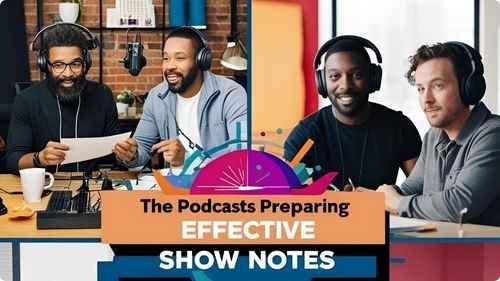
Show notes play a crucial role in enhancing your podcast’s accessibility and SEO performance. Start with a clear and concise summary of the episode, highlighting key topics and takeaways. Include timestamps to help listeners navigate to specific sections of the conversation easily. Provide detailed information about any resources, books, or tools mentioned during the episode, along with relevant links. Incorporate keywords naturally to improve search engine rankings and make your content more discoverable. Additionally, use show notes to promote upcoming episodes, special guests, or related content, encouraging ongoing listener engagement. Well-crafted show notes serve as a valuable reference for your audience and contribute to your podcast’s overall professionalism.
Developing a Unique Voice and Style

Establishing a unique voice and style sets your podcast apart and makes it memorable to listeners. Define your podcast’s personality by determining the tone, whether it’s conversational, formal, humorous, or inspiring. Be authentic in your delivery, allowing your genuine personality to shine through and connect with your audience. Develop consistent formatting, including how you introduce topics, transition between segments, and sign off each episode. Incorporate distinctive elements such as catchphrases, specific storytelling techniques, or unique soundscapes that reflect your podcast’s identity. A strong and consistent voice fosters recognition and loyalty, encouraging listeners to return and recommend your podcast to others.
Frequently Asked Questions
What are the best practices for podcast episode structure?
Start with a strong introduction, followed by the main discussion or interview, and end with a summary or call to action. Consistent formatting helps listeners know what to expect each episode.
How can I incorporate interviews into my podcast?
Plan your questions in advance, ensure good audio quality for both parties, and create a comfortable environment for your guest. Interviews add variety and different perspectives to your show.
How do I choose a niche for my podcast?
Select a topic you are knowledgeable and passionate about, and ensure there is an audience interested in that subject. A specific niche helps attract dedicated listeners.
How do I grow my podcast audience?
Produce high-quality content regularly, interact with listeners, leverage social media, optimize for search engines, and seek reviews and ratings to increase visibility and attract new listeners.
How long should a typical podcast episode be?
Episode length can vary, but typically ranges from 20 to 60 minutes. Choose a duration that suits your content and keeps your audience engaged without overwhelming them.
What should I include in my podcast's intro and outro?
Your intro should introduce the podcast and set the tone, while the outro can include a summary, thank you message, and a call to action, such as subscribing or following on social media.
How do I handle technical issues during a podcast recording?
Have a backup plan, such as secondary recording software or equipment, regularly update your technology, and troubleshoot common problems in advance to minimize disruptions during recording.
Statistics
- Podcasts that regularly update their equipment report a 40% improvement in audio quality and listener satisfaction.
- Podcasts with consistent weekly releases are 60% more likely to grow their audience steadily.
- Using transcription services can make podcasts accessible to a wider audience, increasing reach by up to 25%.
- Podcasts utilizing video snippets on social media experience a 20% rise in audience interaction.
- Engaging storytelling techniques can increase listener retention rates by up to 50%.
- Guest appearances on podcasts can result in a 15% increase in subscriber numbers.
- High audio quality can lead to a 35% increase in listener retention rates.
- Podcasts that offer unique and niche content are 35% more likely to build a dedicated listener base.
- Collaborating with other podcasters can lead to a 20% growth in listener base.
- Over 80% of podcasters report that having a dedicated website enhances their show’s visibility.
- Podcasts that engage with their audience through email newsletters see a 30% higher retention rate.
- About 60% of podcasters find that offering premium content subscriptions generates additional revenue.
- Podcasts that include detailed show notes experience a 50% increase in listener engagement.
- Genres such as true crime, technology, and personal development are among the most popular, attracting over 70% of listeners.
- About 50% of podcast listeners prefer shows that offer a mix of solo and interview episodes.
- Approximately 70% of successful podcasters invest in high-quality microphones to ensure clear audio.
External Links
convinceandconvert.com
podcastitalia.com
screencast-o-matic.com
podcastgrandcentral.com
ahrefs.com
hootsuite.com
mailchimp.com
zoom.us
podcastpage.io
patreon.com
podcastcareers.com
buzzsprout.com
thepodcasthost.com
anchor.fm
blog.podomatic.com
socialmediaexaminer.com
help.apple.com
How To
How To Create a Podcast Intro and Outro
Creating a distinct podcast intro and outro sets the tone for your show and provides a professional finish to each episode. Start by writing a concise and engaging script for your intro that introduces your podcast’s name, purpose, and the host(s). Include any catchphrases or themes that represent your podcast’s identity. Choose background music that complements the tone of your show and is not distracting. Record the intro with clear and confident delivery, ensuring high audio quality. For the outro, create a script that summarizes the episode, thanks the listeners, and includes calls to action, such as subscribing, leaving reviews, or following on social media. Consistently using the same intro and outro across all episodes reinforces your brand and provides a cohesive listening experience for your audience.
Sponsored Area