How To Create Long AI Podcast Videos With Gemini Omni in Google Flow (Step-By-Step Tutorial)
27,011 View

- Publish Date:
- August 6, 2026
- Category:
- Podcasting
- Video License
- Standard License
- Imported From:
- Youtube
👉 Start Creating with Keoo AI
➜ ➜ ➜ https://keoo.ai
🧑🏽🤝🧑🏼Join Branions AI Creative Network - Learn How To Create Long Engaging AI Story Videos & Movies:
➜ ➜ ➜ https://www.skool.com/branions-creative-network
💻 Join My Telegram Channel For All My Prompts & Hot Updates ⇨ ONLINE BUSINESS TITANS
➜ ➜ ➜ https://t.me/onlinebusinesstitans
🏦 For Coaching & Consulting:
➜ ➜ ➜ https://linktr.ee/meetkingcharles
▬▬▬▬▬▬▬▬▬▬▬▬▬▬▬▬▬▬▬▬▬▬▬▬▬▬▬▬▬
★☆★ SUBSCRIBE TO KING CHARLES TV YOUTUBE CHANNEL NOW ★☆★
https://www.youtube.com/@thekingcharlestv?sub_confirmation=1
W A T C H N E X T :
▶️ How to Use Gemini Omni in Google Flow (How to Lock Character, Voices & Avatars + All New Features)
➜ ➜ ➜ https://youtu.be/4SFvKS4LknA
▶️ Make Viral YouTube Thumbnails with AI in 1 Minute | Keoo AI Thumbnail Generator
➜ ➜ ➜ https://youtu.be/E9vFWBwNW4U
▶️ This One Prompt Solves the Character Consistency Problem
➜ ➜ ➜ https://youtu.be/0TDxGCEo0co
▶️ How to Make Viral AI Story Videos That Keep People Watching (AI Film Tutorial)
➜ ➜ ➜ https://youtu.be/2bgvQxDpo8s
⏱️⏱️VIDEO CHAPTERS⏱️⏱️
0:00 - Introducing Gemini Omni
1:15 - How to Access Google Gemini Omni
2:58 - How to create Consistent Characters/Avatars
4:09 - Creating & Assigning Voices to Your Characters/Avatars
5:40 - Creating Consistent Scenes with Your Characters/Avatars
11:42 - Creating Consistent Videos with Your Characters/Avatars
16:57 - Making the Podcast Video Long
▬▬▬▬▬▬▬▬▬▬▬▬▬▬▬▬▬▬▬▬▬▬▬▬▬▬▬▬▬
Bookings, Partnerships & Consultations?
➜ ➜ ➜ [email protected]
▬▬▬▬▬▬▬▬▬▬▬▬▬▬▬▬▬▬▬▬▬▬▬▬▬▬▬▬▬
★☆★CONNECT WITH ME★☆★
Follow on WhatsApp ⇨ https://whatsapp.com/channel/0029VaEEsu39cDDbSNSZA134
DM Me on IG ⇨ https://instagram.com/heiskingcharles
DM me on Twitter ⇨ https://twitter.com/meetkingcharles
Follow On Tiktok ⇨ https://tiktok.com/@meetkingcharles
Follow On Facebook ⇨ https://www.facebook.com/heiskingcharles
Send me A Mail ⇨ [email protected]
▬▬▬▬▬▬▬▬▬▬▬▬▬▬▬▬▬▬▬▬▬▬▬▬▬▬▬▬▬
👍 Do you like this video? Like it & Share it with friends!
📥 Comment Below to share your opinion!
🔔 SUBSCRIBE TO KING CHARLES TV TO GET:
* Online business ideas, tips & tutorials.
* Updates & news for business tools, Apps & AI
* Trending products & niches
* Step-by-step tutorials & guides
* Plus loads more!
▬▬▬▬▬▬▬▬▬▬▬▬▬▬▬▬▬▬▬▬▬▬▬▬▬▬▬▬▬
IMPORTANT DISCLAIMER - PLEASE READ CAREFULLY:
Please note that some links in the video descriptions are affiliate links. This means I might earn a commission if you click through and make a purchase. While using these links is entirely optional, I appreciate your support if you choose to use them. Thank you for understanding.
▬▬▬▬▬▬▬▬▬▬▬▬▬▬▬▬▬▬▬▬▬▬▬▬▬▬▬▬▬
#kingcharlestv #aipodcast #aipodcasttutorial #geminiomni #geminiai #googlegemini #aitools #aitutorial #aivideocreator #aicontentcreation #aiautomation #facelessyoutube #youtubeautomation #contentcreator #aiforbusiness #aiworkflow
-----------------------------------------
Power Podcasting Made Easy
Power Podcasting Made Easy is your ultimate guide to launching a successful show—fast, fun, and with zero overwhelm. This bestselling course walks you through setup, hosting, publishing, and growth strategies. With over 32,000 students, you’ll learn how to use tools like Libsyn, reach Spotify and Google Podcasts, and even build a podcasting business. Whether you're brand new or ready to scale, Power Podcasting helps you grow influence, relationships, and revenue—all while whispering directly into the ears of your ideal audience. Ready to get your voice heard and change lives?
2 Must-Know Podcasting Tips for Your Show
Selecting the Best Hosting Platform for Your Podcast

Choosing the right hosting platform is essential for distributing your podcast efficiently and reaching your target audience. Evaluate platforms based on factors such as storage capacity, bandwidth, ease of use, and analytics capabilities. Look for services that offer reliable uptime and fast upload speeds to ensure your episodes are accessible to listeners without delay. Consider platforms that support multiple podcast directories, including Apple Podcasts, Spotify, and Google Podcasts, to maximize your reach. Additionally, assess whether the hosting service provides tools for monetization, such as advertising integration or subscription options. A robust hosting platform simplifies the distribution process, allowing you to focus on creating quality content for your audience.
Encouraging Listener Interaction and Feedback
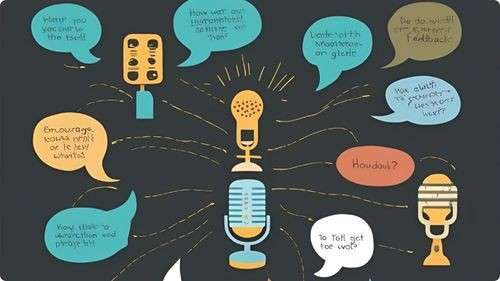
Fostering interaction and feedback from your listeners can enhance engagement and improve your podcast’s content. Invite listeners to share their thoughts, questions, and suggestions through various channels such as social media, email, or your podcast’s website. Incorporate listener feedback into your episodes by addressing common questions or discussing popular topics, making your audience feel valued and involved. Create opportunities for interaction, such as Q&A sessions, polls, or live recordings, to further engage your listeners. Responding to comments and acknowledging feedback builds a strong community around your podcast, encouraging loyalty and word-of-mouth promotion.
Frequently Asked Questions
How can I incorporate interviews into my podcast?
Plan your questions in advance, ensure good audio quality for both parties, and create a comfortable environment for your guest. Interviews add variety and different perspectives to your show.
How can I effectively use social media to support my podcast?
Share episode updates, engage with listeners, join relevant groups, and use platforms to promote content snippets. Social media extends your reach and fosters a community around your podcast.
How can I improve the audio quality of my podcast?
Use a quality microphone, record in a quiet environment, and apply noise reduction techniques during editing. Proper microphone placement and soundproofing can also significantly enhance audio clarity.
How can I monetize my podcast?
Monetization options include sponsorships, advertising, listener donations, merchandise sales, and offering premium content. Choose strategies that align with your audience and content style.
Should I use background music or sound effects in my podcast?
Background music and sound effects can enhance your podcast by setting the mood and emphasizing points. Use them sparingly to avoid distracting from the main content and maintain a professional sound.
What is the role of a podcast publisher?
A podcast publisher manages the dissemination of your episodes to various platforms, handles distribution logistics, and often provides tools for analytics and monetization to support your show’s growth.
How can I create engaging podcast content?
Focus on topics you are passionate about, research thoroughly, and structure your episodes with a clear introduction, main content, and conclusion. Engaging storytelling and relevant information keep listeners interested.
Statistics
- Guest appearances on podcasts can result in a 15% increase in subscriber numbers.
- Podcasts promoting their episodes on social media platforms see a 40% boost in new subscribers.
- Listeners are 50% more likely to subscribe to podcasts that offer regular episode releases.
- Approximately 65% of podcasters monetize their shows through sponsorships and advertising.
- Podcasts that utilize analytics to refine content strategies experience a 40% improvement in listener satisfaction.
- Podcasts with consistent weekly releases are 60% more likely to grow their audience steadily.
- Collaborating with other podcasters can lead to a 20% growth in listener base.
- Engaging storytelling techniques can increase listener retention rates by up to 50%.
- Investing in professional editing services can enhance the overall quality of a podcast, leading to a 30% increase in positive feedback.
- Approximately 70% of successful podcasters invest in high-quality microphones to ensure clear audio.
- Effective use of keywords in podcast descriptions can improve search rankings by 30%.
- Podcasts that engage with their audience through email newsletters see a 30% higher retention rate.
- Podcasts that offer unique and niche content are 35% more likely to build a dedicated listener base.
- Over 80% of podcasters report that having a dedicated website enhances their show’s visibility.
- Podcasts that regularly update their equipment report a 40% improvement in audio quality and listener satisfaction.
- Approximately 40% of podcasters use background music to enhance the listening experience.
External Links
socialmediaexaminer.com
canva.com
podcastgrandcentral.com
podcastpage.io
listennotes.com
podcastinsights.com
podcastitalia.com
thepodcasthost.com
audacityteam.org
hootsuite.com
help.apple.com
convinceandconvert.com
optimizingpodcasting.com
inc.com
podcasters.spotify.com
mailchimp.com
buzzsprout.com
How To
How To Manage Your Podcast Budget Efficiently
Managing your podcast budget efficiently ensures that you allocate resources effectively without overspending. Begin by outlining all potential expenses, including equipment purchases, hosting fees, software subscriptions, marketing costs, and any outsourced services like editing or graphic design. Prioritize essential items that directly impact the quality and production of your podcast, such as a good microphone and reliable hosting service. Allocate funds for marketing efforts to promote your podcast and attract new listeners. Track your expenditures regularly using budgeting tools or spreadsheets to stay within your financial limits. Look for cost-effective alternatives, such as free editing software or DIY marketing strategies, to minimize expenses without compromising quality. Efficient budget management allows you to sustain your podcast long-term while maintaining high standards.
Sponsored Area