How To Make VIRAL Podcast Clip Videos! (12.5k Followers In 5 Days)
323,897 View

- Publish Date:
- September 23, 2026
- Category:
- Podcasting
- Video License
- Standard License
- Imported From:
- Youtube
Join the free discord: https://discord.gg/qjuqN5KSzc
*Over the last 4 months I have grown my podcast clips page to over 80,000 followers and made over $1000 with the creativity program beta!* And in todays video I am going to be sharing all of my secrets with you guys! 🤫
*How To Create Viral Podcast Motivational Or Hope core Videos For FREE!* All From Your Phone Or Computer. In this video I am going to give you a step by step tutorial on how to make viral podcast clip videos online using Capcut for totally free!
Inside this video I will also show you my results from the exact video I edited including how many views it got and how much it made me with the creativity program beta! In the process of me showing you this I will also show you exactly how the creativity program works.
*My Podcast Clip Pack:*
https://bit.ly/PodcastClipPack
Download Capcut: https://capcutaffiliateprogram.pxf.io/Org32Z
*Subscribe to* @JoeSbiti *For More Social Media Growth Content!*
*Follow My Personal Instagram:*
https://www.instagram.com/joe.sbiti/
*Time Stamps*
0:00 Intro
0:39 Step 1
1:06 Step 2
5:09 Step 3
8:22 Step 4
10:00 Step 5
12:34 Step 6
15:06 Step 7
19:37 Upload Settings
22:30 Results
27:26 Conclusion
Keywords and tags (Ignore)
podcast clips
podcast
how to create podcast clips for youtube shorts
podcast shorts
how to create podcast shorts
how to make podcast clips for tiktok
how to make shorts from podcast
how to make podcast shorts for youtube
how to edit podcast clips for tiktok
editing tutorial
capcut tutorial
creativity Program Beta
make money with social media
make money online
how to make podcast clips for instagram
#creativityprogram #tiktokgrowth #socialmediagrowth #makemoneyonline #contentcreation #instagram #tutorial #capcut #capcuttutorial #instagramgrowth
-----------------------------------------
Podcasting Success Strategies: Get Podcast Sponsorships
If you're podcasting and not tapping into sponsorship opportunities, you're leaving serious money on the table. With Podcasting Success Strategies: Get Podcast Sponsorships, you'll learn how to attract sponsors, build profitable alliances, and monetize your podcast like the pros.
💡 Inside this course, you’ll discover:
- How to find and approach sponsors—corporations, associations, foundations, and even individuals with marketing budgets.
- Strategies to leverage partnerships for paid promotion, brand credibility, and explosive audience growth.
- Why podcast sponsorship is one of the most underrated income streams for content creators.
- Techniques to position your podcast for high-profile guests and corporate endorsements.
- Real examples of how podcast sponsorships have created massive traction and influence.
You’ll also gain insights into how sponsorships can explode your visibility, build trust with your audience, and bring real ROI—without relying solely on ads or product sales.
🔥 Sponsorships are big business, and podcasts are the next frontier. Ready to get your piece of the pie?
👉 Enroll now and unlock the playbook for podcast sponsorship success!
3 Must-Know Podcasting Tips for Your Show
Writing Effective Show Notes for Each Episode
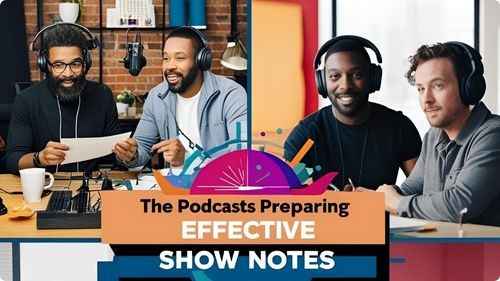
Show notes play a crucial role in enhancing your podcast’s accessibility and SEO performance. Start with a clear and concise summary of the episode, highlighting key topics and takeaways. Include timestamps to help listeners navigate to specific sections of the conversation easily. Provide detailed information about any resources, books, or tools mentioned during the episode, along with relevant links. Incorporate keywords naturally to improve search engine rankings and make your content more discoverable. Additionally, use show notes to promote upcoming episodes, special guests, or related content, encouraging ongoing listener engagement. Well-crafted show notes serve as a valuable reference for your audience and contribute to your podcast’s overall professionalism.
Crafting Compelling Podcast Introductions

Your podcast introduction sets the tone for each episode and captures the listener’s attention from the start. Begin with a brief and impactful summary of the episode’s topic to inform your audience about what to expect. Use a consistent musical theme or jingle to create brand recognition. Introduce yourself and any co-hosts clearly, establishing a personal connection with your listeners. Incorporate a hook, such as a provocative question or an interesting fact, to pique curiosity. A well-crafted introduction not only engages listeners but also reinforces your podcast’s identity and purpose, encouraging them to continue listening.
Planning Your Podcast Content Strategy
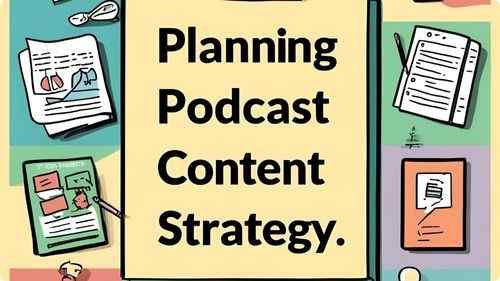
A well-defined content strategy ensures that your podcast remains focused, relevant, and engaging over time. Start by identifying your target audience and understanding their interests, preferences, and challenges. Develop a content calendar that outlines episode topics, guest appearances, and key themes you wish to explore each month. Balance evergreen content that remains relevant over time with timely topics that address current trends or events in your industry. Incorporate a mix of formats, such as interviews, solo episodes, and panel discussions, to keep your content varied and appealing. Regularly review and adjust your strategy based on listener feedback and performance metrics to maintain the effectiveness and appeal of your podcast.
Frequently Asked Questions
What software is best for recording and editing podcasts?
Popular options include Audacity, which is free and user-friendly, and Adobe Audition, which provides advanced editing features. Choose software that fits your skill level and editing needs.
How do I engage with my podcast audience?
Respond to listener feedback, encourage comments and questions, create interactive content, and build a community through social media or dedicated platforms to foster a loyal listener base.
How do I determine the right tone and style for my podcast?
Consider your target audience and the subject matter. Whether formal, conversational, or humorous, ensure the tone aligns with your content and resonates with your listeners.
How can I effectively use social media to support my podcast?
Share episode updates, engage with listeners, join relevant groups, and use platforms to promote content snippets. Social media extends your reach and fosters a community around your podcast.
How can I collaborate with other podcasters?
Partner on joint episodes, guest on each other's shows, share resources, and promote each other's content. Collaboration expands your network and introduces your podcast to new audiences.
Statistics
- Podcasts that include detailed show notes experience a 50% increase in listener engagement.
- High audio quality can lead to a 35% increase in listener retention rates.
- Podcasts with interactive segments, such as Q&A sessions, see a 25% boost in audience participation.
- Engaging storytelling techniques can increase listener retention rates by up to 50%.
- Podcasts with consistent weekly releases are 60% more likely to grow their audience steadily.
- Over 80% of podcasters report that having a dedicated website enhances their show’s visibility.
- Podcasts that regularly update their equipment report a 40% improvement in audio quality and listener satisfaction.
- Genres such as true crime, technology, and personal development are among the most popular, attracting over 70% of listeners.
- Podcasts with eye-catching cover art are 45% more likely to attract new listeners.
- Podcasts that release episodes on Tuesdays and Thursdays see higher download rates by 30%.
- On average, podcasters spend about 10 hours per episode from planning to publishing.
- About 55% of podcasters use interviews as a key strategy to provide diverse content.
- Approximately 40% of podcasters use background music to enhance the listening experience.
- Approximately 70% of successful podcasters invest in high-quality microphones to ensure clear audio.
- Guest appearances on podcasts can result in a 15% increase in subscriber numbers.
- Podcasts promoting their episodes on social media platforms see a 40% boost in new subscribers.
External Links
podcastpage.io
transistor.fm
podcastinsights.com
radiopublic.com
blog.libsyn.com
podcastgrandcentral.com
podcastmovement.com
help.apple.com
podcastitalia.com
blog.podomatic.com
buzzsprout.com
jeffbullas.com
ahrefs.com
screencast-o-matic.com
shutterstock.com
podcastcareers.com
podbean.com
How To
How To Create a Podcast Sponsorship Deck
Creating a podcast sponsorship deck is essential for attracting and securing sponsors. Begin by designing a visually appealing presentation that reflects your podcast’s branding and style. Include an introduction that outlines your podcast’s mission, target audience, and niche, highlighting what makes your show unique. Provide detailed listener statistics, such as download numbers, demographics, and engagement rates, to demonstrate your podcast’s reach and influence. Showcase testimonials or case studies from previous sponsors, if available, to build credibility. Outline the sponsorship opportunities you offer, including ad placements, sponsored episodes, and exclusive partnerships, along with pricing and benefits. Include your contact information and a clear call to action, encouraging potential sponsors to reach out for more information. A well-crafted sponsorship deck effectively communicates the value of partnering with your podcast and increases your chances of securing sponsorships.
Sponsored Area