Why Your YouTube Podcast Playlist Isn’t a Real Podcast
90 View

- Publish Date:
- July 25, 2026
- Category:
- Podcasting
- Video License
- Standard License
- Imported From:
- Youtube
Not exactly.
In this video, we explain why a YouTube podcast playlist is helpful, but it is not the same thing as having a true podcast powered by an RSS feed.
A real podcast should be available wherever people want to listen, including Apple Podcasts, Spotify, Amazon Music, Pocket Casts, Overcast and other listening apps. That distribution happens through an RSS feed - the technology that tells podcast platforms when you publish a new episode.
In this video, you’ll learn:
* Why a YouTube podcast playlist is still limited to YouTube
* What makes a podcast different from a video playlist
* Why audio convenience matters for listeners
* How an RSS feed powers podcast distribution
* Why relying on one platform can limit your reach
* How RSS.com helps you create and distribute a podcast for free
YouTube is a great platform for discovery, but if your podcast only exists on YouTube, your audience can only consume it there. With RSS.com, you can take the content you’re already creating, extract the audio, upload it as a podcast episode, and distribute it across major podcast platforms.
Start your podcast for free with RSS.com:
https://rss.com
Have questions about RSS feeds, podcast distribution, or turning your YouTube content into a real podcast? Leave a comment below.
#Podcasting #YouTubePodcasts #RSSFeed #PodcastTips #PodcastDistribution
-----------------------------------------
Realtor Podcast Marketing for Real Estate Agents Success
🏡 Want to stay top-of-mind with potential buyers and sellers—even when you're off the clock? Realtor Podcast Marketing for Real Estate Agents Success is your roadmap to creating a podcast that keeps working for you 24/7. Imagine having the undivided attention of your ideal clients every week, right in their earbuds, building trust and positioning you as their go-to Realtor—no matter when they’re ready to make a move.
This class walks you step-by-step through setting up your own real estate podcast, even if you’ve never recorded before. You'll learn how to use this powerful marketing tool to reach your farm area, stay connected with past leads, and establish a personal presence that traditional marketing just can't match.
👉 Click here to join the online course now and start building a real estate brand that speaks directly to your audience—anytime, anywhere.
3 Must-Know Podcasting Tips for Your Show
Optimizing Audio Quality for Clear Sound

High audio quality significantly impacts the listener experience. Start by recording in a quiet environment to reduce background noise and echoes. Use a quality microphone and position it correctly to capture clear sound without distortion. Implement soundproofing measures, such as foam panels or blankets, to enhance acoustics. During editing, remove any unwanted noise and balance audio levels to ensure a smooth listening experience. Incorporate compression and equalization to fine-tune the sound. Clear and crisp audio not only makes your podcast more enjoyable but also reflects your commitment to professionalism, encouraging listeners to stay engaged.
Monetizing Your Podcast Effectively

Monetizing your podcast can turn your passion into a sustainable venture. Explore various revenue streams such as sponsorships, where companies pay to have their products or services featured in your episodes. Implement affiliate marketing by promoting products and earning a commission on sales generated through your unique links. Offer premium content or exclusive episodes through subscription models or platforms like Patreon. Additionally, consider selling merchandise related to your podcast to your loyal audience. Hosting live events or offering consulting services can also provide income opportunities. Diversifying your monetization strategies ensures a steady revenue flow while maintaining the quality and integrity of your content.
Writing Effective Show Notes for Each Episode
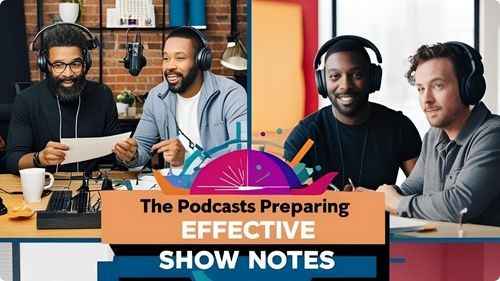
Show notes play a crucial role in enhancing your podcast’s accessibility and SEO performance. Start with a clear and concise summary of the episode, highlighting key topics and takeaways. Include timestamps to help listeners navigate to specific sections of the conversation easily. Provide detailed information about any resources, books, or tools mentioned during the episode, along with relevant links. Incorporate keywords naturally to improve search engine rankings and make your content more discoverable. Additionally, use show notes to promote upcoming episodes, special guests, or related content, encouraging ongoing listener engagement. Well-crafted show notes serve as a valuable reference for your audience and contribute to your podcast’s overall professionalism.
Frequently Asked Questions
How can I improve the audio quality of my podcast?
Use a quality microphone, record in a quiet environment, and apply noise reduction techniques during editing. Proper microphone placement and soundproofing can also significantly enhance audio clarity.
What are the best ways to receive feedback on my podcast?
Encourage listeners to leave reviews, conduct surveys, engage on social media, and create a feedback form on your website. Constructive feedback helps you improve and grow your podcast.
How do I choose the right microphone for my podcast?
Select a microphone based on your budget and recording environment. USB microphones are user-friendly for beginners, while XLR microphones offer higher sound quality for more professional setups.
Statistics
- Podcasts that offer unique and niche content are 35% more likely to build a dedicated listener base.
- Approximately 65% of podcasters monetize their shows through sponsorships and advertising.
- Genres such as true crime, technology, and personal development are among the most popular, attracting over 70% of listeners.
- Approximately 40% of podcasters use background music to enhance the listening experience.
- Podcasts with interactive segments, such as Q&A sessions, see a 25% boost in audience participation.
- Collaborating with other podcasters can lead to a 20% growth in listener base.
- Effective use of keywords in podcast descriptions can improve search rankings by 30%.
- Listener reviews and ratings contribute to a 25% increase in podcast discoverability.
- On average, podcasters spend about 10 hours per episode from planning to publishing.
- Engaging storytelling techniques can increase listener retention rates by up to 50%.
- Podcasts utilizing video snippets on social media experience a 20% rise in audience interaction.
- About 50% of podcast listeners prefer shows that offer a mix of solo and interview episodes.
- Podcasts that engage with their audience through email newsletters see a 30% higher retention rate.
- Podcasts that regularly update their equipment report a 40% improvement in audio quality and listener satisfaction.
- Podcasts promoting their episodes on social media platforms see a 40% boost in new subscribers.
- Podcasts that include detailed show notes experience a 50% increase in listener engagement.
External Links
listennotes.com
socialmediaexaminer.com
jeffbullas.com
zoom.us
ahrefs.com
podcastinsights.com
mailchimp.com
help.apple.com
buzzsprout.com
adobe.com
blog.libsyn.com
podcastmovement.com
radiopublic.com
thepodcasthost.com
hootsuite.com
podcastcareers.com
inc.com
How To
How To Use Listener Surveys to Improve Your Podcast
Using listener surveys helps gather valuable insights to improve your podcast’s content and format. Start by designing a survey that includes a mix of quantitative and qualitative questions, focusing on areas such as episode topics, content quality, audio clarity, and overall satisfaction. Distribute the survey through your podcast’s website, email newsletters, and social media channels to reach a broad segment of your audience. Encourage participation by offering incentives, such as exclusive content or entry into a prize draw. Analyze the survey responses to identify common trends, preferences, and areas for improvement. Use the feedback to refine your content strategy, address any issues, and tailor future episodes to better meet your listeners’ needs. Regularly conducting listener surveys ensures that your podcast remains relevant and continues to evolve based on audience input.
Sponsored Area