5 Steps to Starting a Podcast in 2025 - The Complete Beginner’s Guide
84,940 View

- Publish Date:
- March 18, 2026
- Category:
- Learn to Podcast
- Video License
- Standard License
- Imported From:
- Youtube
A huge thank you to Buzzsprout for sponsoring this guide and helping to make podcasting hosting simple. Use this link to start podcasting today: https://geni.us/tombuzzsprout
🎙️If you want to dive further into the production process, my DIY podcast production course has everything you need: https://podcasterplaybook.com
💡And if you need a bit of help coming up with an idea of planning out your first run of episodes, I’ve got a course for that too! https://podcasterideabook.com
———————— ROYALTY FREE MUSIC ————————
•Artlist.io (2 Extra Months Free): https://geni.us/ArtlistTom
•Epidemic Sound (30 Day Free Trial): http://share.epidemicsound.com/enthusiasm
———————— FEATURED GEAR ————————
•Recommended Setup Guides: https://himynameistom.com/setups
•Rodecaster Pro II: https://bhpho.to/3wCwaqI (B&H)
•Focusrite 2i2: https://geni.us/YpjKZ (Amazon)
•Sennhesier Profile (USB): https://geni.us/profile (Amazon)
•Shure MV7 Plus (USB/XLR Combo): https://geni.us/45VaI6 (Amazon)
•Shure SM7B: https://geni.us/tepsm7b (Amazon)
•Rode Headphones: https://bhpho.to/3JNacqg (B&H)
•Rode NT1 Signature Series: https://geni.us/rgjRyH (Amazon)
•Rode Procaster: https://geni.us/kFwr0C (Amazon)
•XLR Cables: https://geni.us/bluexlr (Amazon)
•Mic Arm: https://geni.us/zc7hAbW (Amazon)
———————————————————————
🎥 Check out my full gear list here:
https://himynameistom.com/gear
———————————————————————
⏱️Chapter Markers:
0:00 - Podcasting Doesn’t Have To Be Confusing!
0:41 - STEP 1: Developing Your Concept
2:08 - Posting Schedule
3:00 - Podcast Titles
4:31 - Podcast Cover Art
5:17 - STEP 2: Planning Your Podcast
7:03 - Scripts & Outlines
8:02 - Buzzsprout Sponsor Segment
9:46 - STEP 3: Recording & Production
10:56 - Recording Location
12:55 - Choosing A Microphone
21:17 - Audio Interfaces & Mixers
22:26 - Recording Software
23:18 - Mic Cables & Stands
24:53 - Video Podcast Basics
27:12 - STEP 4: Editing Your Podcast
28:43 - How To Cut, Trim, & Fade
31:55 - Royalty Free Music
32:34 - Exporting
33:02 - STEP 5: Hosting & Distribution
36:56 - Bonus Tip 1: Monetization
38:36 - Bonus Tip 2: Promotion
41:24 - Bonus Tip 3: Audience Engagement
44:00 - Conclusion
———————————————————————
Affiliate links earn a commission from qualifying purchases which helps support my channel at no additional cost to you.
——————————— CONNECT ———————————
🎯 Subscribe! http://bit.ly/TEPsub
Instagram: @sodarntom
Main Site: https://himynameistom.com
Podcasts: https://himynameistom.com/podcasts
———————————————————————
– Who Am I? –
Hi! My name is Tom Buck, a lifelong A/V nerd and former high school Digital Media teacher. I started this channel in 2017 as a project to share my enthusiasm for everything related to audio and video production.
It's my goal for each video to be interesting/helpful/atleastmildlyentertaining, from a helpful enthusiast’s point of view. You can take a look at my bio to learn more about my background, both personally and professionally: https://himynameistom.com/about
•My channel is open and welcoming to people of all races, ages, genders, and orientations. I’m glad you’re here.
•Read my Ethics Statement about objective reviews, sponsorships, and brand partnerships: https://himynameistom.com/ethics
———————————————————————
Episode 438: 5 Steps to Starting a Podcast - The Complete Beginner’s Guide
-----------------------------------------
YouTube Podcast Marketing For Natural Health Practitioners
Are you a Massage Therapist, Naturopath, Healer, EFT Practitioner, Reiki Master, Acupuncturist, or Yoga Instructor looking to attract more clients and share your message with a larger audience?
If you've ever thought, "If only more people knew what I do and how much I help others..." — this course is for you.
You'll learn how to:
✅ Create a powerful plan to grow your practice
✅ Leverage YouTube, Facebook, and Podcasts to reach more people
✅ Repurpose your content across platforms for maximum visibility
✅ Attract high-quality leads who are ready to work with you
✅ Position yourself as the Obvious Expert in your community
This isn’t just about marketing — it’s about making your impact bigger without burning out.
👉 Click here to enroll now and start growing your practice with ease and authenticity.
Your healing work deserves a wider audience. Let’s make that happen! 🌟
2 Must-Know Podcasting Tips for Your Show
Developing a Unique Voice and Style
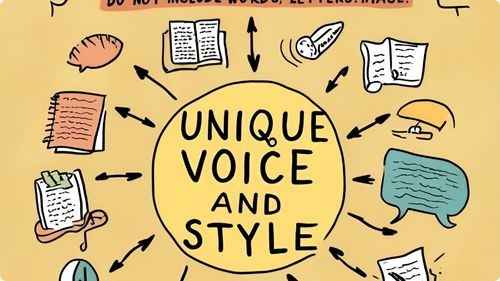
Establishing a unique voice and style sets your podcast apart and makes it memorable to listeners. Define your podcast’s personality by determining the tone, whether it’s conversational, formal, humorous, or inspiring. Be authentic in your delivery, allowing your genuine personality to shine through and connect with your audience. Develop consistent formatting, including how you introduce topics, transition between segments, and sign off each episode. Incorporate distinctive elements such as catchphrases, specific storytelling techniques, or unique soundscapes that reflect your podcast’s identity. A strong and consistent voice fosters recognition and loyalty, encouraging listeners to return and recommend your podcast to others.
Creating Eye-Catching Podcast Artwork
Your podcast artwork is often the first impression potential listeners have of your show, making it crucial for attracting attention and conveying your podcast’s essence. Design a visually appealing and professional cover that reflects your podcast’s theme and personality. Use high-contrast colors and clear typography to ensure readability, even at smaller sizes typically displayed on listening platforms. Incorporate imagery or icons that symbolize your content, helping to communicate your podcast’s focus at a glance. Ensure your artwork meets the technical specifications of major podcast directories, such as Apple Podcasts, to maintain quality across platforms. Compelling podcast artwork not only draws in new listeners but also reinforces your brand identity and professionalism.
Frequently Asked Questions
How can I monetize my podcast?
Monetization options include sponsorships, advertising, listener donations, merchandise sales, and offering premium content. Choose strategies that align with your audience and content style.
What equipment do I need to start a podcast?
To begin a podcast, you need a good quality microphone, headphones, a computer, and recording software. Additionally, consider investing in a pop filter and a soundproof space to enhance audio quality.
How can I create engaging podcast content?
Focus on topics you are passionate about, research thoroughly, and structure your episodes with a clear introduction, main content, and conclusion. Engaging storytelling and relevant information keep listeners interested.
How can I collaborate with other podcasters?
Partner on joint episodes, guest on each other's shows, share resources, and promote each other's content. Collaboration expands your network and introduces your podcast to new audiences.
What is a podcast hosting service and why do I need one?
A podcast hosting service stores your audio files and distributes them to various platforms. It provides essential analytics, ensures reliable delivery, and often offers tools for monetization and audience engagement.
Statistics
- Podcasts with eye-catching cover art are 45% more likely to attract new listeners.
- Listeners are 50% more likely to subscribe to podcasts that offer regular episode releases.
- Approximately 40% of podcasters use background music to enhance the listening experience.
- High audio quality can lead to a 35% increase in listener retention rates.
- Podcasts that regularly update their equipment report a 40% improvement in audio quality and listener satisfaction.
- Podcasts promoting their episodes on social media platforms see a 40% boost in new subscribers.
- Podcasts that include detailed show notes experience a 50% increase in listener engagement.
- Podcasts that release episodes on Tuesdays and Thursdays see higher download rates by 30%.
- Podcasts that utilize analytics to refine content strategies experience a 40% improvement in listener satisfaction.
- Investing time in marketing can increase a podcast’s audience by up to 50% annually.
- Listeners prefer podcast episodes that range between 30 to 45 minutes, with 65% favoring this duration.
- About 50% of podcast listeners prefer shows that offer a mix of solo and interview episodes.
- Podcasts with interactive segments, such as Q&A sessions, see a 25% boost in audience participation.
- About 55% of podcasters use interviews as a key strategy to provide diverse content.
- Podcasts with consistent weekly releases are 60% more likely to grow their audience steadily.
- Podcasts that offer unique and niche content are 35% more likely to build a dedicated listener base.
External Links
podcastcareers.com
shutterstock.com
jeffbullas.com
podcastgrandcentral.com
podbean.com
inc.com
help.apple.com
podcastmovement.com
optimizingpodcasting.com
podcastitalia.com
convinceandconvert.com
apple.com
adobe.com
analytics.google.com
podcastinsights.com
canva.com
blog.podomatic.com
How To
How To Create a Podcast Content Calendar
A podcast content calendar helps organize and plan your episodes, ensuring a consistent and strategic release schedule. Start by outlining your podcast’s themes and topics for each month, aligning them with relevant events, seasons, or trends. Schedule recording sessions in advance, considering guests’ availability and any preparation time needed for research or scripting. Allocate specific dates for editing, reviewing, and publishing episodes to maintain a steady flow of content. Incorporate deadlines and milestones to keep your production on track and avoid last-minute rushes. Use digital tools like Google Calendar, Trello, or Asana to visualize and manage your content calendar, allowing for easy adjustments as needed. A well-structured content calendar enhances organization, reduces stress, and ensures your podcast remains consistently engaging for your audience.
Sponsored Area