Video Podcast Setup Tour - Cameras, Lighting, Audio
186,062 View

- Publish Date:
- June 15, 2025
- Category:
- Learn to Podcast
- Video License
- Standard License
- Imported From:
- Youtube
Use Code CREATIVE20 to save 20%
Creator Starter Pack: https://www.benjohnsoncreative.com/start
This is the ULTIMATE guide to content creation in 2025
If you are an aspiring content creator this is for you
Video podcasts are on the rise and are a great way to expand your audience. In this I'm sharing my video podcast set up, the gear I use (cameras, lenses, lights, mics) , the positioning for that gear along with a few power tips to help you set up your video podcast.
⚡️FEATURED GEAR⚡️
Sony A7C: https://geni.us/c6kdKF
Sony A7iii: https://geni.us/iqZUeU
Sony ZVE10: https://geni.us/RVo5hW
Sony 20mm: https://geni.us/huEX2Qq
Sony 55mm: https://geni.us/DMs0L
Sony 85mm: https://geni.us/gSILrW
Sony FX30 (recommended): https://geni.us/uqsFi
Godox SZ150R: https://geni.us/dN1EO7
Godox TL120: https://geni.us/56CEv
Zoom H6:https://geni.us/VDrH
Shure MV7: https://geni.us/8RV1r
🎥 FREE Super Simple Camera Settings Guide: http://www.supersimplecamerasettings.com
🎶 WHERE I GET MY MUSIC: https://soundstripe.com/start/?fpr=benjohnsoncreative
***Use Code: "CREATIVE20" to save 20% on your Plan!***
💯 HOW I OPTIMIZE MY VIDEOS: https://www.vidiq.com/creative
🔥 MY FAVORITE VIDEO EFFECTS: https://motionvfx.sjv.io/Bv4qx
💡 MY FAVORITE GEAR
My Favorite Camera: https://amzn.to/3A8iK7e
My Favorite Lens: https://amzn.to/2XnD55w
My Favorite Video Light: https://amzn.to/36W942w
My Favorite RGB Light: https://amzn.to/3lHcnjy
My Audio Recorder: https://amzn.to/3jTXSbe
My Monopod: https://amzn.to/2yg5m5z
My Gimbal: https://amzn.to/2SzPJNk
My Drone: https://amzn.to/2W1OpVl
My Studio Backdrop: https://amzn.to/3eedse4
LIFX Z Strip: https://amzn.to/2yqau70
My Camera Bag: https://amzn.to/3fymF2P
TIMESTAMPS:
00:00: intro
00:38 cameras
02:21 lighting
03:50 audio
06:25 power tips
👕 SHOP MY MERCH: https://teespring.com/stores/benjohnsoncreative
LET'S CONNECT
Instagram: https://www.instagram.com/benjohnsoncreative
Facebook: https://www.facebook.com/benjohnsoncreative
DISCLAIMER
Some of the links in my video description are affiliate links, which means I will make a small commission if you click them and make a qualifying purchase, at no extra cost to you :)
-----------------------------------------
Podcast Storytelling Masterclass
🎤 Want to make your podcast truly unforgettable? Podcast Storytelling Masterclass is your guide to using stories as powerful tools to captivate, connect with, and grow your audience. This class dives deep into the essential techniques that transform your delivery—helping you craft stories that resonate, inspire, and leave a lasting impression.
You'll learn how to choose the right stories, use them instead of traditional interview questions, and guide your guests to share meaningful experiences that engage listeners. Storytelling isn't just popular—it’s how people relate to your message. This course shows you how to harness that connection to elevate your podcast from ordinary to exceptional.
👉 Click here to join the online course now and start building stronger, more emotional connections with your audience through storytelling.
3 Must-Know Podcasting Tips for Your Show
Monetizing Your Podcast Effectively

Monetizing your podcast can turn your passion into a sustainable venture. Explore various revenue streams such as sponsorships, where companies pay to have their products or services featured in your episodes. Implement affiliate marketing by promoting products and earning a commission on sales generated through your unique links. Offer premium content or exclusive episodes through subscription models or platforms like Patreon. Additionally, consider selling merchandise related to your podcast to your loyal audience. Hosting live events or offering consulting services can also provide income opportunities. Diversifying your monetization strategies ensures a steady revenue flow while maintaining the quality and integrity of your content.
Utilizing Transcriptions to Enhance Accessibility

Providing transcriptions of your podcast episodes can significantly enhance accessibility and reach a broader audience. Transcriptions cater to individuals who are deaf or hard of hearing, ensuring that your content is inclusive. They also benefit listeners who prefer reading over listening or want to reference specific parts of an episode quickly. Additionally, transcriptions improve your podcast’s SEO, as search engines can index the text, making your content more discoverable. Offering transcriptions on your website or as downloadable files adds value for your audience and demonstrates your commitment to accessibility. Incorporating transcriptions into your podcast strategy can lead to increased engagement and a more diverse listener base.
Analyzing Podcast Metrics to Improve Performance
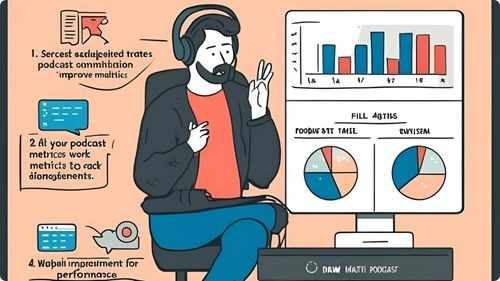
Monitoring and analyzing podcast metrics is crucial for understanding your audience and improving your show’s performance. Track key indicators such as download numbers, listener demographics, episode completion rates, and audience retention. Use analytics tools provided by your hosting platform or third-party services to gain insights into listener behavior and preferences. Identify which episodes perform best and analyze the factors contributing to their success, such as topics, guests, or formats. Pay attention to feedback and reviews to gauge audience satisfaction and areas for improvement. Regularly reviewing your metrics allows you to make informed decisions, optimize your content strategy, and enhance the overall quality and reach of your podcast.
Frequently Asked Questions
What are the best practices for podcast episode structure?
Start with a strong introduction, followed by the main discussion or interview, and end with a summary or call to action. Consistent formatting helps listeners know what to expect each episode.
What are the best ways to receive feedback on my podcast?
Encourage listeners to leave reviews, conduct surveys, engage on social media, and create a feedback form on your website. Constructive feedback helps you improve and grow your podcast.
How long should a typical podcast episode be?
Episode length can vary, but typically ranges from 20 to 60 minutes. Choose a duration that suits your content and keeps your audience engaged without overwhelming them.
Statistics
- Podcasts that release episodes on Tuesdays and Thursdays see higher download rates by 30%.
- Podcasts utilizing video snippets on social media experience a 20% rise in audience interaction.
- Podcasts that include detailed show notes experience a 50% increase in listener engagement.
- Podcasts that engage with their audience through email newsletters see a 30% higher retention rate.
- About 50% of podcast listeners prefer shows that offer a mix of solo and interview episodes.
- Genres such as true crime, technology, and personal development are among the most popular, attracting over 70% of listeners.
- Podcasts that utilize analytics to refine content strategies experience a 40% improvement in listener satisfaction.
- Podcasts with interactive segments, such as Q&A sessions, see a 25% boost in audience participation.
- Approximately 65% of podcasters monetize their shows through sponsorships and advertising.
- Engaging storytelling techniques can increase listener retention rates by up to 50%.
- About 55% of podcasters use interviews as a key strategy to provide diverse content.
- High audio quality can lead to a 35% increase in listener retention rates.
- Investing time in marketing can increase a podcast’s audience by up to 50% annually.
- Podcasts promoting their episodes on social media platforms see a 40% boost in new subscribers.
- Podcasts with consistent weekly releases are 60% more likely to grow their audience steadily.
- Listeners are 50% more likely to subscribe to podcasts that offer regular episode releases.
External Links
adobe.com
screencast-o-matic.com
zoom.us
podcastinsights.com
blog.podomatic.com
hootsuite.com
ahrefs.com
podcastpage.io
podbean.com
convinceandconvert.com
anchor.fm
buzzsprout.com
radiopublic.com
analytics.google.com
shutterstock.com
podcastgrandcentral.com
podcastitalia.com
How To
How To Use Storytelling Techniques in Your Podcast
Incorporating storytelling techniques into your podcast enhances engagement and makes your content more memorable. Start by structuring your episodes with a clear beginning, middle, and end, creating a coherent narrative that guides listeners through the content. Use vivid descriptions and relatable scenarios to paint a picture and help listeners visualize the topics being discussed. Introduce characters or guests with unique stories and experiences to add depth and interest. Build suspense or curiosity by presenting challenges, conflicts, or questions that are resolved or answered by the episode's conclusion. Additionally, infuse emotion and personal anecdotes to create a connection with your audience, making your podcast more impactful and enjoyable to listen to.
Sponsored Area