Easy podcasting: how I find an idea, record, edit, distribute my podcasts to Spotify, Apple, YouTube
381 View

- Publish Date:
- February 24, 2026
- Category:
- Learn to Podcast
- Video License
- Standard License
- Imported From:
- Youtube
By the end of this video, you'll have everything you need to launch your own show.
⏱️ TIMESTAMPS
0:00 - Finding your podcast topic
0:49 - The "document your journey" framework
1:28 - Recording your first episode (equipment & software)
3:22 - Editing a podcast in Descript (like editing a Word doc)
4:18 - Creating podcast cover art in Canva
5:19 - Using a podcast host (Transistor.fm)
6:03 - Uploading your first episode
6:33 - Using AI transcription for show notes
7:38 - Setting up a trailer episode
8:17 - Distributing to Spotify, Apple Podcasts, and more
9:06 - Adding your podcast to YouTube
10:26 - Creating a free website for your show
11:03 - Final thoughts
🎙️ TOOLS MENTIONED
Descript (recording & editing): https://www.descript.com
Canva (cover art): https://www.canva.com
Transistor (podcast hosting): https://transistor.fm
PODCAST HOSTING WITH TRANSISTOR
Transistor makes it simple to upload your podcast and distribute it everywhere people listen. Start as many shows as you want, get AI transcription, analytics, and a free podcast website—all in one place.
Try Transistor free for 14 days: https://transistor.fm/?via=youtube
-----------------------------------------
PODCAST MASTERY: How to Make, Market, and Monetize Podcasts
Are you ready to learn how to Make, Market, and Monetize your podcast — even if you're just starting out? This fast-paced, value-packed course will show you exactly how to launch and grow a podcast that attracts listeners, builds authority, and generates income.
You'll learn:
✅ The best equipment to use
✅ How to find engaging guests
✅ How to land sponsorships easily
✅ Ways to grow your audience fast
✅ How to sell your products or services through your podcast
✅ What to do if you don’t have a product (yet!)
Whether you're an entrepreneur, creative, coach, or just have something to say — this course will guide you every step of the way.
👉 Click here to enroll now and start building your podcasting success!
Your voice has power — let the world hear it! 🎧
3 Must-Know Podcasting Tips for Your Show
Promoting Your Podcast on Social Media

Utilizing social media is a powerful way to promote your podcast and reach a broader audience. Identify the platforms where your target listeners are most active, such as Twitter, Instagram, Facebook, or LinkedIn. Create engaging posts that highlight episode highlights, guest appearances, and behind-the-scenes content. Use relevant hashtags to increase visibility and join conversations related to your podcast’s niche. Share audio clips or short video snippets to give potential listeners a taste of your content. Encourage your audience to share episodes with their networks, and interact with followers by responding to comments and messages. A strategic social media presence can significantly enhance your podcast’s reach and listener engagement.
Building a Strong Podcast Brand Identity

A strong brand identity distinguishes your podcast in a crowded market and fosters loyalty among listeners. Define your podcast’s unique value proposition by identifying what sets it apart from others in the same genre. Develop a recognizable logo and consistent color scheme that reflects your podcast’s personality and theme. Craft a compelling tagline that succinctly conveys your podcast’s mission and appeal. Maintain consistency in your communication style, tone, and visual elements across all platforms, including your website and social media profiles. A cohesive brand identity not only attracts your target audience but also makes your podcast memorable and professional, encouraging long-term growth.
Planning Your Podcast Content Strategy
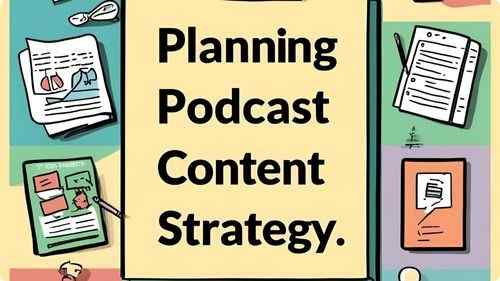
A well-defined content strategy ensures that your podcast remains focused, relevant, and engaging over time. Start by identifying your target audience and understanding their interests, preferences, and challenges. Develop a content calendar that outlines episode topics, guest appearances, and key themes you wish to explore each month. Balance evergreen content that remains relevant over time with timely topics that address current trends or events in your industry. Incorporate a mix of formats, such as interviews, solo episodes, and panel discussions, to keep your content varied and appealing. Regularly review and adjust your strategy based on listener feedback and performance metrics to maintain the effectiveness and appeal of your podcast.
Frequently Asked Questions
What are the best practices for podcast episode structure?
Start with a strong introduction, followed by the main discussion or interview, and end with a summary or call to action. Consistent formatting helps listeners know what to expect each episode.
What are effective ways to keep listeners coming back to my podcast?
Deliver consistent, high-quality content, engage with your audience, provide value in each episode, and build a strong connection through storytelling and relatable topics to retain listeners.
What are effective ways to promote my podcast?
Utilize social media, collaborate with other podcasters, submit your show to podcast directories, and engage with your audience through newsletters or community forums to expand your reach.
How do I choose the right microphone for my podcast?
Select a microphone based on your budget and recording environment. USB microphones are user-friendly for beginners, while XLR microphones offer higher sound quality for more professional setups.
What are the benefits of having podcast show notes?
Show notes provide a summary of the episode, links to resources mentioned, and additional information. They improve SEO, offer value to listeners, and serve as a reference for your content.
How do I submit my podcast to directories like Apple Podcasts and Spotify?
Create an account with a podcast hosting service, ensure your podcast meets the directory’s requirements, and follow their submission guidelines. Hosting services often provide easy distribution options.
How often should I release new podcast episodes?
Consistency is key. Whether weekly, bi-weekly, or monthly, establish a schedule that you can maintain to keep your audience engaged and coming back for more.
Statistics
- Approximately 70% of successful podcasters invest in high-quality microphones to ensure clear audio.
- About 50% of podcast listeners prefer shows that offer a mix of solo and interview episodes.
- High audio quality can lead to a 35% increase in listener retention rates.
- Effective use of keywords in podcast descriptions can improve search rankings by 30%.
- Podcasts with eye-catching cover art are 45% more likely to attract new listeners.
- Podcasts that regularly update their equipment report a 40% improvement in audio quality and listener satisfaction.
- Podcasts with consistent weekly releases are 60% more likely to grow their audience steadily.
- Podcasts promoting their episodes on social media platforms see a 40% boost in new subscribers.
- Guest appearances on podcasts can result in a 15% increase in subscriber numbers.
- Approximately 65% of podcasters monetize their shows through sponsorships and advertising.
- Podcasts that engage with their audience through email newsletters see a 30% higher retention rate.
- Investing in professional editing services can enhance the overall quality of a podcast, leading to a 30% increase in positive feedback.
- Podcasts that include detailed show notes experience a 50% increase in listener engagement.
- Listeners are 50% more likely to subscribe to podcasts that offer regular episode releases.
- Approximately 40% of podcasters use background music to enhance the listening experience.
- On average, podcasters spend about 10 hours per episode from planning to publishing.
External Links
podcastmovement.com
transistor.fm
apple.com
buzzsprout.com
podcastitalia.com
help.apple.com
hootsuite.com
zoom.us
patreon.com
audacityteam.org
podcastpage.io
convinceandconvert.com
podcastgrandcentral.com
thepodcasthost.com
ahrefs.com
anchor.fm
shutterstock.com
How To
How To Create a Podcast Intro and Outro
Creating a distinct podcast intro and outro sets the tone for your show and provides a professional finish to each episode. Start by writing a concise and engaging script for your intro that introduces your podcast’s name, purpose, and the host(s). Include any catchphrases or themes that represent your podcast’s identity. Choose background music that complements the tone of your show and is not distracting. Record the intro with clear and confident delivery, ensuring high audio quality. For the outro, create a script that summarizes the episode, thanks the listeners, and includes calls to action, such as subscribing, leaving reviews, or following on social media. Consistently using the same intro and outro across all episodes reinforces your brand and provides a cohesive listening experience for your audience.
Sponsored Area