How to Write Scripts For Your Podcast | Podcasting 101 Ep. 5
65,158 View

- Publish Date:
- March 16, 2026
- Category:
- Learn to Podcast
- Video License
- Standard License
- Imported From:
- Youtube
► Watch the next video in the series: https://www.youtube.com/watch?v=6qJqZPXIQag&list=PL7I-Eysv4kq4P9a_942suQdE1_0WiFxFo&index=4&t=0s
Every podcast episode needs great characters and a strong structure, regardless of whether you’re making a chat-cast, interview show or documentary. In the fifth episode of Podcasting 101, Sean Rameswaram breaks down three popular story structures you can use when scripting your podcast: chronological, circular, and broken narrative.
► See all ten videos: https://training.prx.org/videos/podcasting-101
►Subscribe to our channel: https://www.youtube.com/prxchannel
Podcasting 101 is brought to you by the Google Podcasts creator program, from Google Podcasts and PRX.
Sean Rameswaram is the host of Today, Explained, Vox’s daily news podcast.
Produced and Designed by Fox&Co., https://www.foxandco.design/
Directed by Shahir Daud
Written by Charlie Bleakley, Kerry Donahue, Mark Pagán and Lindsay Abrams
#podcreator
-----------------------------------------
How to Start a Podcast - Podcasting Made Easy
Podcasting Made Easy is your ultimate guide to launching a successful show—fast, fun, and with zero overwhelm. Taught by podcast pioneer Scott Paton, this bestselling course walks you through setup, hosting, publishing, and growth strategies. With over 32,000 students, you’ll learn how to use tools like Libsyn, reach Spotify and Google Podcasts, and even build a podcasting business. Whether you're brand new or ready to scale, Power Podcasting helps you grow influence, relationships, and revenue—all while whispering directly into the ears of your ideal audience. Ready to get your voice heard and change lives?
3 Must-Know Podcasting Tips for Your Show
Writing Effective Show Notes for Each Episode
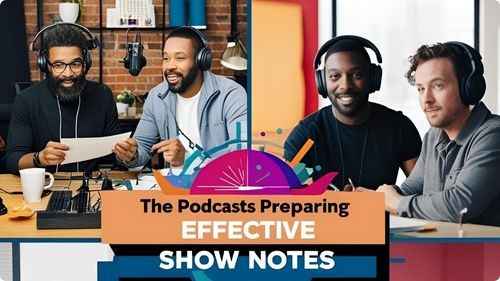
Show notes play a crucial role in enhancing your podcast’s accessibility and SEO performance. Start with a clear and concise summary of the episode, highlighting key topics and takeaways. Include timestamps to help listeners navigate to specific sections of the conversation easily. Provide detailed information about any resources, books, or tools mentioned during the episode, along with relevant links. Incorporate keywords naturally to improve search engine rankings and make your content more discoverable. Additionally, use show notes to promote upcoming episodes, special guests, or related content, encouraging ongoing listener engagement. Well-crafted show notes serve as a valuable reference for your audience and contribute to your podcast’s overall professionalism.
Interviewing Techniques for Captivating Episodes

Effective interviewing techniques can elevate your podcast episodes by making conversations more engaging and insightful. Prepare thoroughly by researching your guest’s background and formulating relevant questions in advance. Create a comfortable environment to encourage open and honest dialogue. Practice active listening, allowing the conversation to flow naturally and adapt to unexpected topics. Ask open-ended questions to elicit detailed responses and avoid yes-or-no answers. Balance structure with spontaneity, giving your guest the space to share their unique perspectives. Skilled interviewing not only provides valuable content but also builds rapport with guests, enhancing your podcast’s reputation.
Analyzing Podcast Metrics to Improve Performance
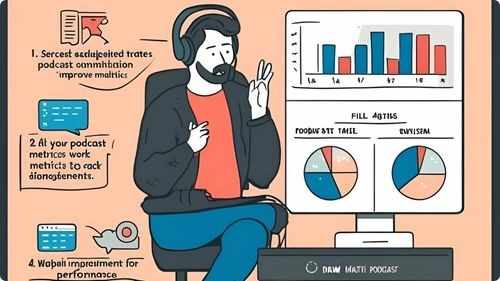
Monitoring and analyzing podcast metrics is crucial for understanding your audience and improving your show’s performance. Track key indicators such as download numbers, listener demographics, episode completion rates, and audience retention. Use analytics tools provided by your hosting platform or third-party services to gain insights into listener behavior and preferences. Identify which episodes perform best and analyze the factors contributing to their success, such as topics, guests, or formats. Pay attention to feedback and reviews to gauge audience satisfaction and areas for improvement. Regularly reviewing your metrics allows you to make informed decisions, optimize your content strategy, and enhance the overall quality and reach of your podcast.
Frequently Asked Questions
What software is best for recording and editing podcasts?
Popular options include Audacity, which is free and user-friendly, and Adobe Audition, which provides advanced editing features. Choose software that fits your skill level and editing needs.
How do I choose the right microphone for my podcast?
Select a microphone based on your budget and recording environment. USB microphones are user-friendly for beginners, while XLR microphones offer higher sound quality for more professional setups.
What equipment do I need to start a podcast?
To begin a podcast, you need a good quality microphone, headphones, a computer, and recording software. Additionally, consider investing in a pop filter and a soundproof space to enhance audio quality.
How can I incorporate interviews into my podcast?
Plan your questions in advance, ensure good audio quality for both parties, and create a comfortable environment for your guest. Interviews add variety and different perspectives to your show.
How can I improve the audio quality of my podcast?
Use a quality microphone, record in a quiet environment, and apply noise reduction techniques during editing. Proper microphone placement and soundproofing can also significantly enhance audio clarity.
Statistics
- Listener reviews and ratings contribute to a 25% increase in podcast discoverability.
- On average, podcasters spend about 10 hours per episode from planning to publishing.
- Collaborating with other podcasters can lead to a 20% growth in listener base.
- Listeners prefer podcast episodes that range between 30 to 45 minutes, with 65% favoring this duration.
- Podcasts with eye-catching cover art are 45% more likely to attract new listeners.
- Podcasts with interactive segments, such as Q&A sessions, see a 25% boost in audience participation.
- Approximately 65% of podcasters monetize their shows through sponsorships and advertising.
- Podcasts that regularly update their equipment report a 40% improvement in audio quality and listener satisfaction.
- Investing in professional editing services can enhance the overall quality of a podcast, leading to a 30% increase in positive feedback.
- Podcasts utilizing video snippets on social media experience a 20% rise in audience interaction.
- Effective use of keywords in podcast descriptions can improve search rankings by 30%.
- Approximately 70% of successful podcasters invest in high-quality microphones to ensure clear audio.
- Approximately 40% of podcasters use background music to enhance the listening experience.
- Genres such as true crime, technology, and personal development are among the most popular, attracting over 70% of listeners.
- Over 80% of podcasters report that having a dedicated website enhances their show’s visibility.
- Podcasts with consistent weekly releases are 60% more likely to grow their audience steadily.
External Links
optimizingpodcasting.com
adobe.com
jeffbullas.com
zoom.us
convinceandconvert.com
thepodcasthost.com
blog.podomatic.com
hootsuite.com
podcasters.spotify.com
podcastmovement.com
listennotes.com
podcastcareers.com
blog.libsyn.com
podcastpage.io
anchor.fm
patreon.com
canva.com
How To
How To Improve Listener Retention for Your Podcast
Improving listener retention is vital for building a loyal audience for your podcast. Start by delivering high-quality content that meets the expectations of your target audience, ensuring each episode provides value and engages listeners. Maintain a consistent publishing schedule so your audience knows when to expect new episodes. Create compelling hooks in your introductions to capture attention immediately and keep your content well-structured to maintain interest throughout the episode. Encourage listener interaction through calls to action, such as asking for feedback or questions, and respond to your audience’s input to foster a sense of community. Additionally, analyze listener data to understand drop-off points and adjust your content accordingly to keep your audience engaged and coming back for more.
Sponsored Area