Planning A Podcast: A Step-By-Step Guide
14,809 View
- Publish Date:
- March 18, 2026
- Category:
- Learn to Podcast
- Video License
- Standard License
- Imported From:
- Youtube
👉 Try Riverside Today: https://riverside.fm/?utm_source=youtube&utm_medium=organic&utm_campaign=start_podcast_masterclass
🔗 Links:
NEXT VIDEO TO WATCH: https://www.youtube.com/watch?v=Bc9VzHY28Jc
RESEARCH:
Podcast Research Chart: https://docs.google.com/document/d/1B7EmK0bx6AUwIH7982f0xSM30gvZvgzQt-ulSKpCAy8/copy?usp=sharing
AHREFS Free Keyword Research Tool: https://ahrefs.com/keyword-generator
PODCAST NAME:
Riverside’s Free Podcast Name Generator: https://riverside.fm/podcast-name-generator
PODCAST COVER IMAGE:
Fiverr: https://www.fiverr.com/search/gigs?query=podcast%20cover%20art&source=main_banner&ref_ctx_id=ae2c9678ed8e93f1bc4a4e86773b75f9&search_in=everywhere&search-autocomplete-original-term=podcast%20cover%20art
Canva: https://www.canva.com/
Spotify For Podcasters: https://podcasters.spotify.com/
Cover Art Requirements: https://podcasters.apple.com/support/896-artwork-requirements#:~:text=Specs&text=Size%3A%20Square%3B%203000%20x%203000,The%20largest%20size%20is%20preferred.
PODCAST DESCRIPTION:
ChatGPT: https://chat.openai.com/
PODCAST INTRO MUSIC
Artlist: https://artlist.io/
Epidemic Sounds: https://www.epidemicsound.com/
Adobe Stock Audio: https://stock.adobe.com/ca/audio
Free Music Archive: https://freemusicarchive.org/home
MixKit: https://mixkit.co/
Fiverr: https://www.fiverr.com/search/gigs?query=podcast%20music%20composer&source=top-bar&ref_ctx_id=90aeeccbfc19ffa89026cabefb2ba1f5&search_in=everywhere&search-autocomplete-original-term=podcast%20music%20composer
UpWork: https://www.upwork.com/search/profiles/?q=podcast music composer
PODCAST EQUIPMENT:
Samson Q2U: https://samsontech.com/products/microphones/usb-microphones/q2u/
AT 2100X: https://www.audio-technica.com/en-ca/atr2100x-usb
Shure MV7: https://www.shure.com/en-US/products/microphones/mv7?variant=MV7-K
Sennheiser HD25: https://en-ca.sennheiser.com/on-ear-dj-headphone-hd25
Audio Technica ATH-M20X: https://www.audio-technica.com/en-ca/ath-m20x
How To Use Continuity Camera: https://youtu.be/Pwr1CGjIYZo
Anker PowerConf C200: https://us.ankerwork.com/products/a3369
PODCAST TRAILER:
Record on Riverside: https://riverside.fm/?utm_source=youtube&utm_medium=organic&utm_campaign=start_podcast_masterclass
PODCAST PLANNING:
Podcast Season Planning Worksheet: https://drive.google.com/file/d/1isc5u-8zlMwN4nWCVZKKD5LMUTRkh-CR/view?usp=sharing
Podcast Template Document: https://docs.google.com/document/d/1_ah1RGVlehk0_-aZLsatdEXkMtLzkDpZRJ-8fmWi1mQ/copy?usp=sharing
0:00 - Introduction
0:28 - Researching your target audience
3:06 - How to name your podcast
5:56 - Designing podcast cover art
8:58 - Generating a podcast description
10:03 - Podcast intro music (with examples)
12:51 - Podcast Equipment
14:55 - Producing a podcast trailer
19:10 - Planning podcast episodes
22:15 - Podcast episode outline
❓ Have questions about Riverside? Check out our Help Centre: https://support.riverside.fm/hc/en-us
👍 Keep up with Riverside:
Subscribe to our YouTube: https://www.youtube.com/channel/UCOaG4tMpmIQaLXYe063SZlw
Follow us on Instagram: https://www.instagram.com/riverside.fm/
Follow us on Twitter - https://www.twitter.com/riversidedotfm
Follow us on LinkedIn: https://il.linkedin.com/company/riverside-fm
Like our Facebook page: https://www.facebook.com/riversidedotfm
Read our blog - https://www.riverside.fm/blog
QUESTION — Have a question about Riverside? Want some podcast marketing tips? Need to know what equipment to use for podcasting or what equipment to use for video production? All questions welcome in the comments section of this video!
💜 About Riverside.fm:
Riverside.fm is the leading remote recording platform that makes professional podcast and video creation achievable by anyone, anywhere. The platform has easy-to-use tools to help you record, edit, and promote your show.
Podcasters and companies, including Guy Raz, Gary Vaynerchuk, Marvel, Spotify, and The New York Times, already use Riverside to record studio-quality interviews from anywhere, with no loss in recording quality.
👉 Try Riverside now: https://riverside.fm/?utm_source=youtube&utm_medium=organic&utm_campaign=start_podcast_masterclass
-----------------------------------------
Podcast in The Classroom - Kindergarten to High School
Looking for a fun and engaging way to teach students? Podcasting in the Classroom is an incredible tool that brings multimedia learning to life! Whether you're teaching Kindergarten or High School, this course will show you how to use podcasts to enhance learning, engage students, and even involve parents.
In this course, you’ll learn how to:
✅ Use podcasts as an interactive tool to engage your students
✅ Teach students how to create their own podcasts
✅ Keep parents and students up-to-date with podcast updates
✅ Review and improve teaching performance through podcasts
✅ Overcome common challenges like copyright and privacy concerns
With over one billion podcast subscribers worldwide, your students are likely already listening to podcasts — now, let them create their own! 📚
👉 Click here to enroll now and take your teaching to the next level with podcasts.
Make learning more interactive and fun — let's get podcasting in the classroom! 🎤
3 Must-Know Podcasting Tips for Your Show
Writing Effective Show Notes for Each Episode
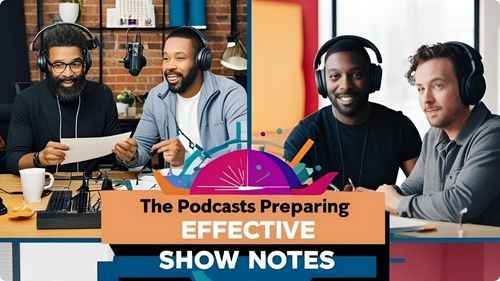
Show notes play a crucial role in enhancing your podcast’s accessibility and SEO performance. Start with a clear and concise summary of the episode, highlighting key topics and takeaways. Include timestamps to help listeners navigate to specific sections of the conversation easily. Provide detailed information about any resources, books, or tools mentioned during the episode, along with relevant links. Incorporate keywords naturally to improve search engine rankings and make your content more discoverable. Additionally, use show notes to promote upcoming episodes, special guests, or related content, encouraging ongoing listener engagement. Well-crafted show notes serve as a valuable reference for your audience and contribute to your podcast’s overall professionalism.
Monetizing Your Podcast Effectively
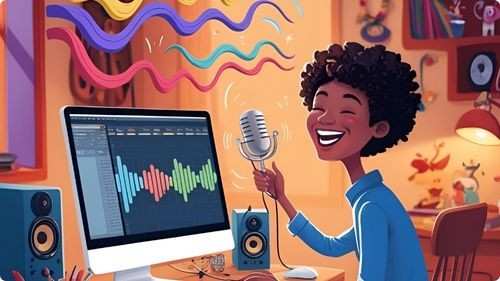
Monetizing your podcast can turn your passion into a sustainable venture. Explore various revenue streams such as sponsorships, where companies pay to have their products or services featured in your episodes. Implement affiliate marketing by promoting products and earning a commission on sales generated through your unique links. Offer premium content or exclusive episodes through subscription models or platforms like Patreon. Additionally, consider selling merchandise related to your podcast to your loyal audience. Hosting live events or offering consulting services can also provide income opportunities. Diversifying your monetization strategies ensures a steady revenue flow while maintaining the quality and integrity of your content.
Optimizing Audio Quality for Clear Sound

High audio quality significantly impacts the listener experience. Start by recording in a quiet environment to reduce background noise and echoes. Use a quality microphone and position it correctly to capture clear sound without distortion. Implement soundproofing measures, such as foam panels or blankets, to enhance acoustics. During editing, remove any unwanted noise and balance audio levels to ensure a smooth listening experience. Incorporate compression and equalization to fine-tune the sound. Clear and crisp audio not only makes your podcast more enjoyable but also reflects your commitment to professionalism, encouraging listeners to stay engaged.
Frequently Asked Questions
What are the best practices for podcast episode structure?
Start with a strong introduction, followed by the main discussion or interview, and end with a summary or call to action. Consistent formatting helps listeners know what to expect each episode.
How can I collaborate with other podcasters?
Partner on joint episodes, guest on each other's shows, share resources, and promote each other's content. Collaboration expands your network and introduces your podcast to new audiences.
What is the role of a podcast publisher?
A podcast publisher manages the dissemination of your episodes to various platforms, handles distribution logistics, and often provides tools for analytics and monetization to support your show’s growth.
Statistics
- Podcasts with interactive segments, such as Q&A sessions, see a 25% boost in audience participation.
- Guest appearances on podcasts can result in a 15% increase in subscriber numbers.
- About 50% of podcast listeners prefer shows that offer a mix of solo and interview episodes.
- Podcasts that include detailed show notes experience a 50% increase in listener engagement.
- On average, podcasters spend about 10 hours per episode from planning to publishing.
- Podcasts that release episodes on Tuesdays and Thursdays see higher download rates by 30%.
- Engaging storytelling techniques can increase listener retention rates by up to 50%.
- Listeners prefer podcast episodes that range between 30 to 45 minutes, with 65% favoring this duration.
- Podcasts that engage with their audience through email newsletters see a 30% higher retention rate.
- Listeners are 50% more likely to subscribe to podcasts that offer regular episode releases.
- Podcasts that regularly update their equipment report a 40% improvement in audio quality and listener satisfaction.
- Over 80% of podcasters report that having a dedicated website enhances their show’s visibility.
- Podcasts that utilize analytics to refine content strategies experience a 40% improvement in listener satisfaction.
- Listener reviews and ratings contribute to a 25% increase in podcast discoverability.
- Approximately 65% of podcasters monetize their shows through sponsorships and advertising.
- Investing time in marketing can increase a podcast’s audience by up to 50% annually.
External Links
optimizingpodcasting.com
screencast-o-matic.com
canva.com
ahrefs.com
convinceandconvert.com
listennotes.com
podcastmovement.com
anchor.fm
zoom.us
help.apple.com
blog.libsyn.com
blog.podomatic.com
shutterstock.com
mailchimp.com
patreon.com
podcastpage.io
apple.com
How To
How To Create a Podcast Guest Onboarding Process
Creating a structured guest onboarding process ensures a smooth and professional experience for your podcast guests. Start by developing a welcome package that includes a detailed overview of your podcast, recording guidelines, and any technical requirements. Provide clear instructions on how to prepare for the interview, including topics to be discussed, question formats, and expected episode length. Schedule a pre-interview meeting or call to discuss the episode’s objectives, address any questions or concerns, and establish rapport with your guest. Share the recording schedule and any necessary links or access to recording tools in advance. After the interview, follow up with a thank-you message and inform your guest about the episode’s release date and promotion plan. A well-organized onboarding process enhances the guest experience, encourages repeat appearances, and fosters positive relationships that benefit your podcast’s reputation and growth.
Sponsored Area