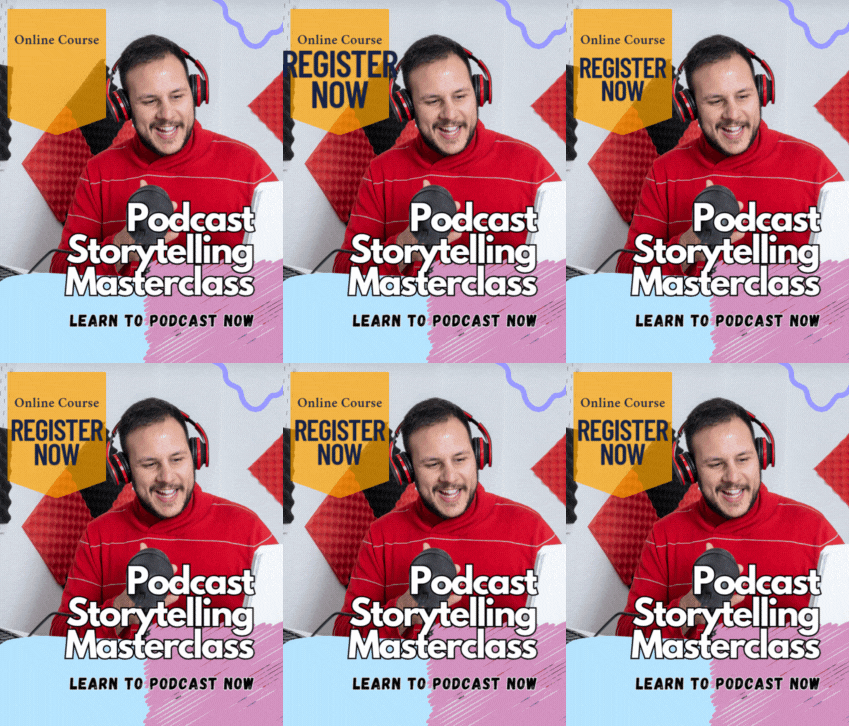
How I Make AI Podcast Clips That Go Viral (Step-by-Step Tutorial)
48 View

- Publish Date:
- July 14, 2026
- Category:
- Podcasting
- Video License
- Standard License
- Imported From:
- Youtube
AI podcast videos are taking over TikTok, Instagram Reels, and YouTube Shorts. The best part? You don't need a camera, microphone, podcast studio, or even a real host to create them.
Tools Used in this Video
👉Vids : https://docs.google.com/videos
👉Veo3 : Veo3: https://labs.google/fx/tools/flow
Useful Tools
Heygen : https://app.heygen.com
Canva: https://canva.com
Kling AI:https://klingaiaffiliate.pxf.io/Z6ZNJX
Nord VPN: https://nordvpn.sjv.io/6yJEXq
Eleven Labs: https://try.elevenlabs.io/slciqsleyffp
Image upscaler: https://imgupscaler.com
Topaz: https://www.topazlabs.com/tools/image-upscale
LM Arena: https://lmarena.ai
Photopea: https://www.photopea.com
Tools used to Make this Video
Laptop : https://amzn.to/3YHis45
Microphone : https://amzn.to/3Y0cICr
Office Desk :https://amzn.to/4qi2CsC
Egornomic Chair: https://amzn.to/49kU3HG
Headphones: https://amzn.to/3YzVL1J
Second monitor: https://amzn.to/3MQEEGo
Smartphone: https://amzn.to/4p7Ebx8
-----------------------------------------
Podcast Host Masterclass
Podcasting is booming, and now is the perfect time to launch your own show! The Podcast Host Masterclass gives you the tools, tips, and techniques to become a confident, compelling podcast host—no prior experience required. Learn how to prep guests, ask powerful questions, control conversations, and grow your audience fast. Taught by industry veterans Scott Paton and Martin Wales, this course condenses decades of broadcasting experience into actionable lessons. One student doubled monthly downloads in just 9 months using these strategies! Ready to step behind the mic and build your brand? This is your chance to shine.
3 Must-Know Podcasting Tips for Your Show
Creating Eye-Catching Podcast Artwork

Your podcast artwork is often the first impression potential listeners have of your show, making it crucial for attracting attention and conveying your podcast’s essence. Design a visually appealing and professional cover that reflects your podcast’s theme and personality. Use high-contrast colors and clear typography to ensure readability, even at smaller sizes typically displayed on listening platforms. Incorporate imagery or icons that symbolize your content, helping to communicate your podcast’s focus at a glance. Ensure your artwork meets the technical specifications of major podcast directories, such as Apple Podcasts, to maintain quality across platforms. Compelling podcast artwork not only draws in new listeners but also reinforces your brand identity and professionalism.
Developing a Unique Voice and Style

Establishing a unique voice and style sets your podcast apart and makes it memorable to listeners. Define your podcast’s personality by determining the tone, whether it’s conversational, formal, humorous, or inspiring. Be authentic in your delivery, allowing your genuine personality to shine through and connect with your audience. Develop consistent formatting, including how you introduce topics, transition between segments, and sign off each episode. Incorporate distinctive elements such as catchphrases, specific storytelling techniques, or unique soundscapes that reflect your podcast’s identity. A strong and consistent voice fosters recognition and loyalty, encouraging listeners to return and recommend your podcast to others.
Analyzing Podcast Metrics to Improve Performance

Monitoring and analyzing podcast metrics is crucial for understanding your audience and improving your show’s performance. Track key indicators such as download numbers, listener demographics, episode completion rates, and audience retention. Use analytics tools provided by your hosting platform or third-party services to gain insights into listener behavior and preferences. Identify which episodes perform best and analyze the factors contributing to their success, such as topics, guests, or formats. Pay attention to feedback and reviews to gauge audience satisfaction and areas for improvement. Regularly reviewing your metrics allows you to make informed decisions, optimize your content strategy, and enhance the overall quality and reach of your podcast.
Frequently Asked Questions
What are the best ways to receive feedback on my podcast?
Encourage listeners to leave reviews, conduct surveys, engage on social media, and create a feedback form on your website. Constructive feedback helps you improve and grow your podcast.
What equipment do I need to start a podcast?
To begin a podcast, you need a good quality microphone, headphones, a computer, and recording software. Additionally, consider investing in a pop filter and a soundproof space to enhance audio quality.
What legal considerations should I be aware of in podcasting?
Ensure you have rights to any music or content used, obtain necessary permissions for guest appearances, and adhere to copyright laws. Consider including disclaimers and privacy policies as needed.
What are effective ways to keep listeners coming back to my podcast?
Deliver consistent, high-quality content, engage with your audience, provide value in each episode, and build a strong connection through storytelling and relatable topics to retain listeners.
How often should I release new podcast episodes?
Consistency is key. Whether weekly, bi-weekly, or monthly, establish a schedule that you can maintain to keep your audience engaged and coming back for more.
How do I submit my podcast to directories like Apple Podcasts and Spotify?
Create an account with a podcast hosting service, ensure your podcast meets the directory’s requirements, and follow their submission guidelines. Hosting services often provide easy distribution options.
Statistics
- Engaging storytelling techniques can increase listener retention rates by up to 50%.
- About 55% of podcasters use interviews as a key strategy to provide diverse content.
- Podcasts utilizing video snippets on social media experience a 20% rise in audience interaction.
- Podcasts that offer unique and niche content are 35% more likely to build a dedicated listener base.
- Approximately 65% of podcasters monetize their shows through sponsorships and advertising.
- Podcasts that engage with their audience through email newsletters see a 30% higher retention rate.
- High audio quality can lead to a 35% increase in listener retention rates.
- Effective use of keywords in podcast descriptions can improve search rankings by 30%.
- About 60% of podcasters find that offering premium content subscriptions generates additional revenue.
- Genres such as true crime, technology, and personal development are among the most popular, attracting over 70% of listeners.
- Using transcription services can make podcasts accessible to a wider audience, increasing reach by up to 25%.
- Podcasts promoting their episodes on social media platforms see a 40% boost in new subscribers.
- Collaborating with other podcasters can lead to a 20% growth in listener base.
- Listeners are 50% more likely to subscribe to podcasts that offer regular episode releases.
- Podcasts with interactive segments, such as Q&A sessions, see a 25% boost in audience participation.
- Podcasts with consistent weekly releases are 60% more likely to grow their audience steadily.
External Links
audacityteam.org
inc.com
listennotes.com
podcastitalia.com
anchor.fm
help.apple.com
analytics.google.com
jeffbullas.com
screencast-o-matic.com
convinceandconvert.com
blog.libsyn.com
podcastinsights.com
zoom.us
radiopublic.com
ahrefs.com
apple.com
podcastcareers.com
How To
How To Optimize Your Podcast for SEO
Optimizing your podcast for search engines increases its visibility and attracts more listeners. Start by conducting keyword research to identify terms and phrases relevant to your podcast’s content and niche. Incorporate these keywords naturally into your episode titles, descriptions, and show notes to improve search rankings. Create a dedicated website or page for your podcast where you can publish transcriptions of your episodes, providing additional SEO value. Use descriptive and engaging language in your metadata, such as tags and categories, to help search engines understand your content. Encourage listeners to leave reviews and ratings, as user-generated content can also enhance your podcast’s SEO performance.
Sponsored Area