5 things you need to create a podcast #podcast #podcasting
161,682 View

- Publish Date:
- February 19, 2026
- Category:
- Learn to Podcast
- Video License
- Standard License
- Imported From:
- Youtube
5 things you need to create and setup a podcast
Microphone - A simple USB one will do the job perfectly.
Video camera - Add some visual appeal to your content.
Lighting - This will make your video look professional and appealing to engage with
Headphone - to monitor and adjust your sound quality.
Podcast recording software - This will determine the quality of your podcast and the time you spend on editing #podcast #podcasting
-----------------------------------------
Podcast Pacing for Audience Engagement
🎙️ Want to capture your listeners’ attention and keep them hooked? Podcast Pacing for Audience Engagement is your guide to mastering the rhythm of compelling communication. You'll learn how to build a strong pacing foundation, shift your pace to add value, understand how your delivery is perceived, and use pacing to express authentic passion. Whether you're just starting out or looking to fine-tune your skills, this class will help you speak with greater impact and confidence.
👉 Click here to join the online course now and start creating podcasts your audience will love!
3 Must-Know Podcasting Tips for Your Show
Analyzing Podcast Metrics to Improve Performance
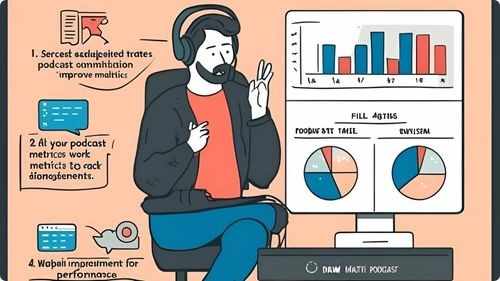
Monitoring and analyzing podcast metrics is crucial for understanding your audience and improving your show’s performance. Track key indicators such as download numbers, listener demographics, episode completion rates, and audience retention. Use analytics tools provided by your hosting platform or third-party services to gain insights into listener behavior and preferences. Identify which episodes perform best and analyze the factors contributing to their success, such as topics, guests, or formats. Pay attention to feedback and reviews to gauge audience satisfaction and areas for improvement. Regularly reviewing your metrics allows you to make informed decisions, optimize your content strategy, and enhance the overall quality and reach of your podcast.
Monetizing Your Podcast Effectively

Monetizing your podcast can turn your passion into a sustainable venture. Explore various revenue streams such as sponsorships, where companies pay to have their products or services featured in your episodes. Implement affiliate marketing by promoting products and earning a commission on sales generated through your unique links. Offer premium content or exclusive episodes through subscription models or platforms like Patreon. Additionally, consider selling merchandise related to your podcast to your loyal audience. Hosting live events or offering consulting services can also provide income opportunities. Diversifying your monetization strategies ensures a steady revenue flow while maintaining the quality and integrity of your content.
Leveraging Guest Appearances to Grow Your Audience

Featuring guests on your podcast can significantly expand your reach and attract new listeners. Select guests who are experts in your niche or have a substantial following that aligns with your target audience. Prepare thoughtful questions that allow your guests to share valuable insights and experiences, providing rich content for your listeners. Promote episodes with notable guests across both your and your guests’ networks, tapping into their audience base. Encourage guests to share the episode with their followers, increasing your podcast’s visibility. Collaborative episodes not only enhance the quality of your content but also foster relationships within your industry, contributing to your podcast’s growth and credibility.
Frequently Asked Questions
What are the best ways to receive feedback on my podcast?
Encourage listeners to leave reviews, conduct surveys, engage on social media, and create a feedback form on your website. Constructive feedback helps you improve and grow your podcast.
How do I determine the right tone and style for my podcast?
Consider your target audience and the subject matter. Whether formal, conversational, or humorous, ensure the tone aligns with your content and resonates with your listeners.
How can I collaborate with other podcasters?
Partner on joint episodes, guest on each other's shows, share resources, and promote each other's content. Collaboration expands your network and introduces your podcast to new audiences.
How can I effectively use social media to support my podcast?
Share episode updates, engage with listeners, join relevant groups, and use platforms to promote content snippets. Social media extends your reach and fosters a community around your podcast.
Statistics
- Approximately 40% of podcasters use background music to enhance the listening experience.
- Podcasts utilizing video snippets on social media experience a 20% rise in audience interaction.
- Genres such as true crime, technology, and personal development are among the most popular, attracting over 70% of listeners.
- Guest appearances on podcasts can result in a 15% increase in subscriber numbers.
- Using transcription services can make podcasts accessible to a wider audience, increasing reach by up to 25%.
- Investing time in marketing can increase a podcast’s audience by up to 50% annually.
- About 55% of podcasters use interviews as a key strategy to provide diverse content.
- Podcasts with eye-catching cover art are 45% more likely to attract new listeners.
- Podcasts that engage with their audience through email newsletters see a 30% higher retention rate.
- Listeners are 50% more likely to subscribe to podcasts that offer regular episode releases.
- About 60% of podcasters find that offering premium content subscriptions generates additional revenue.
- Investing in professional editing services can enhance the overall quality of a podcast, leading to a 30% increase in positive feedback.
- Podcasts that regularly update their equipment report a 40% improvement in audio quality and listener satisfaction.
- Effective use of keywords in podcast descriptions can improve search rankings by 30%.
- Podcasts promoting their episodes on social media platforms see a 40% boost in new subscribers.
- Podcasts that offer unique and niche content are 35% more likely to build a dedicated listener base.
External Links
shutterstock.com
podcastinsights.com
adobe.com
blog.libsyn.com
podcastcareers.com
ahrefs.com
screencast-o-matic.com
optimizingpodcasting.com
convinceandconvert.com
listennotes.com
patreon.com
transistor.fm
socialmediaexaminer.com
jeffbullas.com
buzzsprout.com
anchor.fm
radiopublic.com
How To
How To Create a Podcast Episode Template
Creating a podcast episode template provides a structured format that enhances consistency and efficiency in your production process. Start by outlining the key sections of each episode, such as the intro, main content, interviews or segments, and outro. Define the standard elements for each section, including opening statements, recurring introductions, and transition phrases. Include placeholders for guest introductions, key questions, and any specific content segments you regularly feature. Specify the timing for each section to maintain a balanced and well-paced episode. Incorporate guidelines for audio levels, music cues, and sound effects to ensure uniform audio quality across episodes. Additionally, add prompts for calls to action, such as encouraging listeners to subscribe or leave reviews. Using an episode template streamlines the production process, allowing you to focus on delivering quality content while maintaining a professional and consistent format.
Sponsored Area