How to start a podcast in 2026 (with a real plan)
0 View

- Publish Date:
- May 7, 2026
- Category:
- Learn to Podcast
- Video License
- Standard License
- Imported From:
- Youtube
Starting a podcast in 2026 is NOT about just buying a microphone and hitting record.
In this episode of Podcast Growth Lab, we break down what actually separates podcasts that grow from podcasts that disappear after a few episodes. From defining a target audience to building a real show concept, this episode dives into the foundational strategies used behind successful podcasts and media brands.
At AZ Pod Studio, we work daily with creators, entrepreneurs, brands, and top-performing podcasts, and one thing is clear: the podcasts that win are built with intention.
In this episode:
🎙️ Why most people start podcasts the wrong way
📈 The importance of consistency
🧠 How to define a target audience
🔥 Why podcast “treatments” matter
🎯 Building a podcast people actually return to
🚀 How algorithms learn your audience
🎬 Why podcasting is bigger than just audio in 2026
Whether you’re launching your first show or trying to grow an existing podcast, this episode will help you think differently about podcast growth, branding, and long-term audience building.
Subscribe for weekly episodes covering podcast growth, YouTube strategy, content marketing, monetization, viral clips, and insider media strategies.
Podcast Growth Lab breaks down what actually works in podcasting, YouTube growth, and modern media strategy. Recorded at AZ Pod Studio in Phoenix, Arizona, this show shares real insider strategies from working with top podcasts and creators daily.
-----------------------------------------
Podcasting Success Strategies: Get Podcast Sponsorships
If you're podcasting and not tapping into sponsorship opportunities, you're leaving serious money on the table. With Podcasting Success Strategies: Get Podcast Sponsorships, you'll learn how to attract sponsors, build profitable alliances, and monetize your podcast like the pros.
💡 Inside this course, you’ll discover:
- How to find and approach sponsors—corporations, associations, foundations, and even individuals with marketing budgets.
- Strategies to leverage partnerships for paid promotion, brand credibility, and explosive audience growth.
- Why podcast sponsorship is one of the most underrated income streams for content creators.
- Techniques to position your podcast for high-profile guests and corporate endorsements.
- Real examples of how podcast sponsorships have created massive traction and influence.
You’ll also gain insights into how sponsorships can explode your visibility, build trust with your audience, and bring real ROI—without relying solely on ads or product sales.
🔥 Sponsorships are big business, and podcasts are the next frontier. Ready to get your piece of the pie?
👉 Enroll now and unlock the playbook for podcast sponsorship success!
3 Must-Know Podcasting Tips for Your Show
Selecting the Best Hosting Platform for Your Podcast

Choosing the right hosting platform is essential for distributing your podcast efficiently and reaching your target audience. Evaluate platforms based on factors such as storage capacity, bandwidth, ease of use, and analytics capabilities. Look for services that offer reliable uptime and fast upload speeds to ensure your episodes are accessible to listeners without delay. Consider platforms that support multiple podcast directories, including Apple Podcasts, Spotify, and Google Podcasts, to maximize your reach. Additionally, assess whether the hosting service provides tools for monetization, such as advertising integration or subscription options. A robust hosting platform simplifies the distribution process, allowing you to focus on creating quality content for your audience.
Developing a Unique Voice and Style

Establishing a unique voice and style sets your podcast apart and makes it memorable to listeners. Define your podcast’s personality by determining the tone, whether it’s conversational, formal, humorous, or inspiring. Be authentic in your delivery, allowing your genuine personality to shine through and connect with your audience. Develop consistent formatting, including how you introduce topics, transition between segments, and sign off each episode. Incorporate distinctive elements such as catchphrases, specific storytelling techniques, or unique soundscapes that reflect your podcast’s identity. A strong and consistent voice fosters recognition and loyalty, encouraging listeners to return and recommend your podcast to others.
Planning Your Podcast Content Strategy
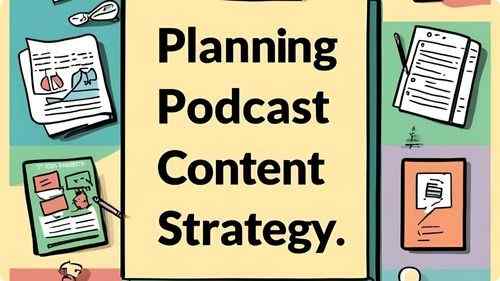
A well-defined content strategy ensures that your podcast remains focused, relevant, and engaging over time. Start by identifying your target audience and understanding their interests, preferences, and challenges. Develop a content calendar that outlines episode topics, guest appearances, and key themes you wish to explore each month. Balance evergreen content that remains relevant over time with timely topics that address current trends or events in your industry. Incorporate a mix of formats, such as interviews, solo episodes, and panel discussions, to keep your content varied and appealing. Regularly review and adjust your strategy based on listener feedback and performance metrics to maintain the effectiveness and appeal of your podcast.
Frequently Asked Questions
How do I handle technical issues during a podcast recording?
Have a backup plan, such as secondary recording software or equipment, regularly update your technology, and troubleshoot common problems in advance to minimize disruptions during recording.
How often should I release new podcast episodes?
Consistency is key. Whether weekly, bi-weekly, or monthly, establish a schedule that you can maintain to keep your audience engaged and coming back for more.
How do I determine the right tone and style for my podcast?
Consider your target audience and the subject matter. Whether formal, conversational, or humorous, ensure the tone aligns with your content and resonates with your listeners.
How long should a typical podcast episode be?
Episode length can vary, but typically ranges from 20 to 60 minutes. Choose a duration that suits your content and keeps your audience engaged without overwhelming them.
What are effective ways to keep listeners coming back to my podcast?
Deliver consistent, high-quality content, engage with your audience, provide value in each episode, and build a strong connection through storytelling and relatable topics to retain listeners.
Statistics
- Podcasts that offer unique and niche content are 35% more likely to build a dedicated listener base.
- Podcasts that utilize analytics to refine content strategies experience a 40% improvement in listener satisfaction.
- Listener reviews and ratings contribute to a 25% increase in podcast discoverability.
- Guest appearances on podcasts can result in a 15% increase in subscriber numbers.
- Engaging storytelling techniques can increase listener retention rates by up to 50%.
- Investing time in marketing can increase a podcast’s audience by up to 50% annually.
- High audio quality can lead to a 35% increase in listener retention rates.
- Approximately 65% of podcasters monetize their shows through sponsorships and advertising.
- Podcasts promoting their episodes on social media platforms see a 40% boost in new subscribers.
- Podcasts with interactive segments, such as Q&A sessions, see a 25% boost in audience participation.
- About 55% of podcasters use interviews as a key strategy to provide diverse content.
- Genres such as true crime, technology, and personal development are among the most popular, attracting over 70% of listeners.
- Effective use of keywords in podcast descriptions can improve search rankings by 30%.
- Podcasts that include detailed show notes experience a 50% increase in listener engagement.
- Approximately 40% of podcasters use background music to enhance the listening experience.
- Podcasts with consistent weekly releases are 60% more likely to grow their audience steadily.
External Links
analytics.google.com
zoom.us
socialmediaexaminer.com
podcasters.spotify.com
listennotes.com
podcastpage.io
podcastitalia.com
canva.com
optimizingpodcasting.com
podcastgrandcentral.com
transistor.fm
podcastinsights.com
patreon.com
podcastcareers.com
anchor.fm
hootsuite.com
radiopublic.com
How To
How To Handle Technical Issues During Podcast Recording
Technical issues can disrupt your podcast recording, but with proper preparation, you can minimize their impact. Before recording, test all your equipment, including microphones, headphones, and software, to ensure everything is functioning correctly. Have backup solutions in place, such as an extra microphone or a secondary recording device, in case of equipment failure. Familiarize yourself with troubleshooting common problems, such as audio glitches or software crashes, to address them quickly. Maintain a stable internet connection if recording remotely and consider using wired connections to reduce the risk of dropouts. Additionally, keep your software updated and regularly perform maintenance on your equipment to prevent unexpected issues during recording sessions.
Sponsored Area