How to Start a Video Podcast That Makes Money in 2026
2,614 View

- Publish Date:
- April 3, 2026
- Category:
- Learn to Podcast
- Video License
- Standard License
- Imported From:
- Youtube
This video is NOT sponsored. Some product links are affiliate links which means if you buy something we'll receive a small commission.
📒 Show Notes and Resources 📒
🔴 (Best Podcast Software) Start your video podcast today — no complicated setup. Record, edit, and repurpose in one place with Riverside. Get your first month FREE with code THINKMEDIA 👉🏼 https://creators.riverside.com/ThinkMedia17
🔴Watch episode 1: https://youtu.be/ZOxGC7t_gNE
📘Get our Video Podcast Launch Playbook free here➡️ http://VideoPodcastGuide.com
☎️ Posting but not growing? Let’s fix your YouTube strategy → Apply for Coaching ➡️ http://ViralVideoCoach.com
🎙️Get Started with Distributing your Podcast Here ➡️ https://www.buzzsprout.com/?referrer_id=333997
⚡️Audio Enhancer: https://podcast.adobe.com/en/enhance
🔴Michael Zuber No Editing Needed Episode: https://youtu.be/EonkUcDPUAE?si=LNpyd5J54eIDDfxu
🔴Kaela Case Study Podcast: @hiswordmywalk
🎙️Our Podcast Strategy and Equipment YouTube Playlist: https://youtube.com/playlist?list=PLgc0GNip2uYVonNewI_5A4SyPidfGx1Cs&si=F36QRMkcIF-OzYpI
⭐️Unlock the power of YouTube to generate leads & income for your business➡️ https://ThinkMediaMastermind.com
=============================
📱 Subscribe and Listen to the Think Media Podcast HERE:
=============================
Apple: https://apple.co/2F3tmIS
Spotify: https://spoti.fi/36qevE8
=============================
This Video was Filmed Using:
=============================
Camera:
Amazon ➡️ https://geni.us/OtgK7lu
B&H ➡️ https://geni.us/eBARlSU
Lens:
Amazon ➡️ https://geni.us/OryaAv7
B&H ➡️ https://geni.us/b679H6
Microphone:
Amazon ➡️ https://geni.us/F6Aln
B&H ➡️ https://geni.us/oXHfi
=============================
Our mission here at Think Media is to help 1 Million purpose-driven entrepreneurs go full-time doing what they love and making an impact through the power of video.
⏱️Timecodes⏱️
0:00 Why it's easy to start a podcast in 2026!
2:43 1) Brand & Strategy
4:58 2) Recording
8:30 3) Editing & Production
11:52 4) Hosting & Distribution
16:13 5) Repurposing
19:00 Real proven podcast case studies
Here are the ways to work with us here at Think Media:
⚡️FREE CLASS: Watch our FREE YouTube class here: http://ThinkMasterclass.com
⚡️BOOK: Check out the #1 best-selling book YouTube Secrets here: https://ytsecrets.com/
For support inquires, or business inquiries, please go to https://courses.seancannell.com/think-media-support-page
Music provided by Epidemic Sounds. Start your free trial here ➡️ https://ThinkMediaSounds.com
Connect with Sean Cannell on Social Media
http://seancannell.com
https://www.linkedin.com/in/seancannell/
https://twitter.com/seancannell
https://instagram.com/seancannell
https://www.facebook.com/seanthinks
QUESTION — What videos would you like us to make on this channel?
About this video:
Welcome to the Think Media Podcast! In each episode, Sean Cannell from Think Media shares the importance of video marketing. This show will teach you the video marketing trends in 2025 and what is next for digital marketing. If you’re asking what are the social media marketing trends, then this video is for you.
Read through our YouTube disclaimer policy here: https://go.thinkmedia.com/youtube-disclaimer
#ThinkMediaPodcast #thinkpodcast #SeanCannell
-----------------------------------------
Podcast Pacing for Audience Engagement
🎙️ Want to capture your listeners’ attention and keep them hooked? Podcast Pacing for Audience Engagement is your guide to mastering the rhythm of compelling communication. You'll learn how to build a strong pacing foundation, shift your pace to add value, understand how your delivery is perceived, and use pacing to express authentic passion. Whether you're just starting out or looking to fine-tune your skills, this class will help you speak with greater impact and confidence.
👉 Click here to join the online course now and start creating podcasts your audience will love!
2 Must-Know Podcasting Tips for Your Show
Creating Engaging Content for Your Audience

Engaging content is the heart of a successful podcast. Focus on topics that resonate with your target audience and address their interests, challenges, and aspirations. Incorporate storytelling techniques to make your episodes more relatable and memorable. Vary your content by mixing interviews, solo episodes, and panel discussions to maintain listener interest. Conduct thorough research to provide valuable insights and accurate information, establishing your podcast as a trustworthy source. Encourage interaction by addressing listener questions and feedback, fostering a sense of community. Consistently delivering content that is both informative and entertaining will keep your audience coming back for more.
Encouraging Listener Interaction and Feedback
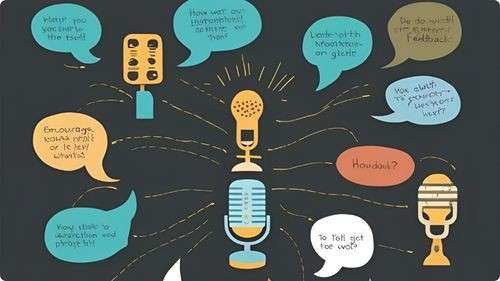
Fostering interaction and feedback from your listeners can enhance engagement and improve your podcast’s content. Invite listeners to share their thoughts, questions, and suggestions through various channels such as social media, email, or your podcast’s website. Incorporate listener feedback into your episodes by addressing common questions or discussing popular topics, making your audience feel valued and involved. Create opportunities for interaction, such as Q&A sessions, polls, or live recordings, to further engage your listeners. Responding to comments and acknowledging feedback builds a strong community around your podcast, encouraging loyalty and word-of-mouth promotion.
Frequently Asked Questions
How can I incorporate interviews into my podcast?
Plan your questions in advance, ensure good audio quality for both parties, and create a comfortable environment for your guest. Interviews add variety and different perspectives to your show.
What are the common mistakes to avoid in podcasting?
Avoid inconsistent publishing schedules, poor audio quality, lack of preparation, overlong episodes, and neglecting audience engagement. Maintaining professionalism is essential for growth.
How do I handle technical issues during a podcast recording?
Have a backup plan, such as secondary recording software or equipment, regularly update your technology, and troubleshoot common problems in advance to minimize disruptions during recording.
Statistics
- Approximately 70% of successful podcasters invest in high-quality microphones to ensure clear audio.
- About 60% of podcasters find that offering premium content subscriptions generates additional revenue.
- Engaging storytelling techniques can increase listener retention rates by up to 50%.
- Podcasts that regularly update their equipment report a 40% improvement in audio quality and listener satisfaction.
- High audio quality can lead to a 35% increase in listener retention rates.
- Investing time in marketing can increase a podcast’s audience by up to 50% annually.
- Podcasts with consistent weekly releases are 60% more likely to grow their audience steadily.
- Listener reviews and ratings contribute to a 25% increase in podcast discoverability.
- Podcasts with interactive segments, such as Q&A sessions, see a 25% boost in audience participation.
- Podcasts that utilize analytics to refine content strategies experience a 40% improvement in listener satisfaction.
- About 55% of podcasters use interviews as a key strategy to provide diverse content.
- Listeners prefer podcast episodes that range between 30 to 45 minutes, with 65% favoring this duration.
- About 50% of podcast listeners prefer shows that offer a mix of solo and interview episodes.
- Approximately 65% of podcasters monetize their shows through sponsorships and advertising.
- Podcasts that include detailed show notes experience a 50% increase in listener engagement.
- Podcasts promoting their episodes on social media platforms see a 40% boost in new subscribers.
External Links
adobe.com
screencast-o-matic.com
canva.com
buzzsprout.com
optimizingpodcasting.com
jeffbullas.com
hootsuite.com
listennotes.com
podcastpage.io
ahrefs.com
podcastitalia.com
socialmediaexaminer.com
radiopublic.com
shutterstock.com
podcastmovement.com
inc.com
podcastgrandcentral.com
How To
How To Manage Your Podcast Production Workflow
Managing your podcast production workflow efficiently ensures high-quality episodes and timely releases. Begin by creating a production schedule that outlines each stage of the process, from planning and recording to editing and publishing. Use project management tools or spreadsheets to track tasks and deadlines, keeping your team organized and accountable. Standardize your recording setup and editing procedures to maintain consistency across episodes. Allocate specific time slots for each task, such as scriptwriting, guest preparation, and post-production editing, to streamline the workflow. Additionally, establish a system for storing and backing up your audio files to prevent data loss. Regularly review and adjust your workflow to identify areas for improvement, ensuring your podcast production remains smooth and efficient.
Did you miss our previous article...
https://podcasting-unleashed.com/learn-to-podcast/reading-comments-ci-learning-methodsqampa-amp-embarrassing-stories-chinese-podcastpinyin-cc-sub
Sponsored Area