Your 5 Step Guide to Writing a Podcast Script
4,211 View

- Publish Date:
- May 17, 2025
- Category:
- Learn to Podcast
- Video License
- Standard License
- Imported From:
- Youtube
You know how some podcasts grab you right from the first few seconds—and you just have to keep listening? Why aren’t all podcasts like that?
The truth is, most podcasters assume their audience will stay just because they hit play. But that’s not how it works.
So in this video, I’m breaking down a simple but powerful formula for structuring your first podcast episode—the one that will hook your audience and keep them coming back.
What You’ll Learn in This Video:
✅ The essential elements every great podcast episode needs.
✅ How to craft a hook that keeps listeners engaged.
✅ The storytelling formula that makes your content unforgettable.
✅ Why your first episode matters more than you think—and how to nail it.
If you're launching a podcast (or want to make yours way better), this is for you! 🚀
🙋🏾♀️ Who am I?
Hey, I’m Hiwote, but my friends call me Hiwi! 👋🏾
I’m a podcast producer and the creator of the *Emerging Voices podcasting accelerator*. I’ve worked on shows like *Where Should We Begin?* with Esther Perel, *This is Dating* (featured in TIME Magazine as one of the best podcasts of 2022), and other projects with brands like The New York Times, TED, and The Gates Foundation.
*Now I help aspiring podcasters gain the creative clarity and confidence they need to create shows that are as unique as they are.*
---
Want more?
☎️ Book your *Discovery Call* https://calendly.com/hiwote/podcast-chat-meeting-clone
✅ *Subscribe* for weekly tips on how to create and grow a podcast that feels like *you*.
📥 *Grab my free 10-step podcast launch guide:* https://www.newsletter.depthandcandor.com/
---
*Want to Stay Connected?*
📱 Instagram: [@hiwipodcasts](https://www.instagram.com/emergingvoicespod/)
🎵 TikTok: [@hiwote.getaneh](https://preview.convertkit-mail.com/click/dpheh0hzhm/aHR0cHM6Ly93d3cudGlrdG9rLmNvbS9AaGl3b3RlLmdldGFuZWg=)
-----------------------------------------
Podcast Outsourcing
🎙️ Ready to stop drowning in podcast production tasks? If you're tired of spending countless hours editing, uploading, and managing your show instead of actually podcasting, this is your solution. Podcast Outsourcing teaches you how to delegate the time-consuming parts of podcasting so you can focus on what you do best—creating great content.
Imagine showing up to record, then letting a team of skilled freelancers handle everything else—audio editing, blog creation, guest scheduling, uploading episodes, and more. This course walks you through how to build your dream team of remote support, streamline your workflow, and save serious time and money in the process.
You’ll also discover how outsourcing not only boosts your podcast’s growth but also creates real opportunities for people around the world.
👉 Click here to join the online class now and start working smarter—not harder—with podcast outsourcing that scales your success.
2 Must-Know Podcasting Tips for Your Show
Encouraging Listener Interaction and Feedback
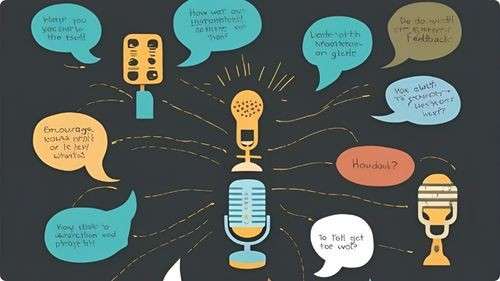
Fostering interaction and feedback from your listeners can enhance engagement and improve your podcast’s content. Invite listeners to share their thoughts, questions, and suggestions through various channels such as social media, email, or your podcast’s website. Incorporate listener feedback into your episodes by addressing common questions or discussing popular topics, making your audience feel valued and involved. Create opportunities for interaction, such as Q&A sessions, polls, or live recordings, to further engage your listeners. Responding to comments and acknowledging feedback builds a strong community around your podcast, encouraging loyalty and word-of-mouth promotion.
Writing Effective Show Notes for Each Episode
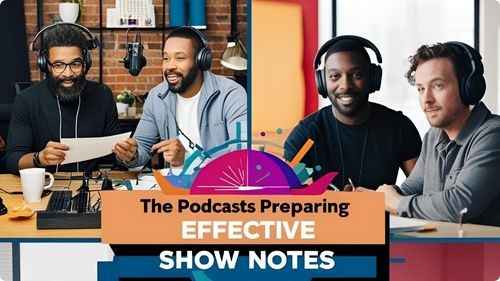
Show notes play a crucial role in enhancing your podcast’s accessibility and SEO performance. Start with a clear and concise summary of the episode, highlighting key topics and takeaways. Include timestamps to help listeners navigate to specific sections of the conversation easily. Provide detailed information about any resources, books, or tools mentioned during the episode, along with relevant links. Incorporate keywords naturally to improve search engine rankings and make your content more discoverable. Additionally, use show notes to promote upcoming episodes, special guests, or related content, encouraging ongoing listener engagement. Well-crafted show notes serve as a valuable reference for your audience and contribute to your podcast’s overall professionalism.
Frequently Asked Questions
What software is best for recording and editing podcasts?
Popular options include Audacity, which is free and user-friendly, and Adobe Audition, which provides advanced editing features. Choose software that fits your skill level and editing needs.
How do I choose a niche for my podcast?
Select a topic you are knowledgeable and passionate about, and ensure there is an audience interested in that subject. A specific niche helps attract dedicated listeners.
How do I submit my podcast to directories like Apple Podcasts and Spotify?
Create an account with a podcast hosting service, ensure your podcast meets the directory’s requirements, and follow their submission guidelines. Hosting services often provide easy distribution options.
Statistics
- Podcasts with consistent weekly releases are 60% more likely to grow their audience steadily.
- Podcasts that engage with their audience through email newsletters see a 30% higher retention rate.
- Guest appearances on podcasts can result in a 15% increase in subscriber numbers.
- Podcasts that regularly update their equipment report a 40% improvement in audio quality and listener satisfaction.
- Approximately 40% of podcasters use background music to enhance the listening experience.
- Podcasts with eye-catching cover art are 45% more likely to attract new listeners.
- Investing time in marketing can increase a podcast’s audience by up to 50% annually.
- Approximately 70% of successful podcasters invest in high-quality microphones to ensure clear audio.
- About 60% of podcasters find that offering premium content subscriptions generates additional revenue.
- On average, podcasters spend about 10 hours per episode from planning to publishing.
- Approximately 65% of podcasters monetize their shows through sponsorships and advertising.
- Listener reviews and ratings contribute to a 25% increase in podcast discoverability.
- Podcasts that include detailed show notes experience a 50% increase in listener engagement.
- Collaborating with other podcasters can lead to a 20% growth in listener base.
- About 55% of podcasters use interviews as a key strategy to provide diverse content.
- About 50% of podcast listeners prefer shows that offer a mix of solo and interview episodes.
External Links
podcastpage.io
hootsuite.com
canva.com
analytics.google.com
podcastinsights.com
help.apple.com
podbean.com
socialmediaexaminer.com
adobe.com
podcastcareers.com
ahrefs.com
apple.com
blog.podomatic.com
audacityteam.org
thepodcasthost.com
zoom.us
jeffbullas.com
How To
How To Create a Podcast Listener Community
Creating a podcast listener community fosters engagement and loyalty, enhancing the overall success of your show. Start by establishing dedicated spaces for your audience to interact, such as social media groups, forums, or a community page on your website. Encourage listeners to join and participate by sharing their thoughts, questions, and feedback related to your episodes. Host live Q&A sessions, discussion threads, or virtual meetups to facilitate real-time interaction and deepen connections among members. Offer exclusive content or perks to community members, such as early access to episodes, special events, or behind-the-scenes insights, to incentivize participation. Actively engage with your community by responding to comments, acknowledging contributions, and fostering a positive and inclusive environment. A strong listener community not only enhances your podcast’s reach but also creates a supportive network that drives sustained growth and success.
Sponsored Area