How to Start a Video Podcast from Scratch (Step-by-Step Tutorial)
7,689 View

- Publish Date:
- October 9, 2026
- Category:
- Podcasting
- Video License
- Standard License
- Imported From:
- Youtube
👩🏽💻 Apply for Emerging Voices Accelerator 👉 https://hiwote.typeform.com/to/RETSnMtR
👉 Try Transistor for Free → https://transistor.fm/?via=hiwote
📥 Grab the free 10-step guide 👉 https://tenstepstolaunch.depthandcandor.com/
📸 CAMERAS:
• iPhone 14 or above (records in 4K)
• DJI Osmo Pocket 3 (~$499 / $629 creator combo) — my main camera
• Sony ZV-E10 (~$800 with kit lens)
🎤 MICROPHONES:
• Blue Yeti Nano
• Audio-Technica AT2020 / ATR2100
• Shure MV7+what (I'm using now)
💡 LIGHTING:
• Elgato Key Light
• Ring light (Amazon or Best Buy)
👩🏽💻 RECORDING & EDITING
• Riverside — https://riverside.com/
• Transistor (podcast hosting): https://transistor.fm/?via=hiwote
• Descript (AI editing): https://get.descript.com/hiwotepodcasts
• Handbrake — convert video format for podcast hosts
• Music: Epidemic Sound https://share.epidemicsound.com/4906m4
• Newsletter: Substack (free)
(Note: Some links above are affiliate links, meaning I may earn a small commission if you click through and make a purchase, at no additional cost to you.)
How to start a video podcast as a beginner with not a huge budget. Learn the exact 2026 workflow to create a video podcast efficiently.
Many creators struggle with the transition from audio to video, but this guide simplifies the process. Whether you are using an iPhone or a dedicated camera setup, you will learn how to align your hardware with your production goals. This video breaks down the essential podcast equipment setup required to get started without overcomplicating your workflow.
We cover a step-by-step method to record without errors and ensure your publishing process is streamlined. If you want to create a podcast that looks professional while keeping your workload manageable, this strategy is designed for you. By focusing on efficient recording and publishing, you can maintain consistency and grow your audience effectively.
Subscribe for weekly podcast production tips, and comment below if you prefer audio-only or video-first content.
🙋🏾♀️ Who am I?
Hey, I'm Hiwote, but my friends call me Hiwi! 👋🏾
I'm a podcast producer, and I've worked on shows like Where Should We Begin? with Esther Perel, This is Dating (featured in TIME Magazine as one of the best podcasts of 2022), and projects with The New York Times, TED, and more.
My goal? To help aspiring podcasters gain the creative clarity and confidence they need to create shows that are as unique as they are.
––––
Ready to start?
✅ Subscribe for weekly tips on how to create and grow a podcast that feels like you.
📥 Grab the free 10-step guide: https://tenstepstolaunch.depthandcandor.com/
Want to Stay Connected?
📱 Instagram: https://www.instagram.com/emergingvoicesstudio/
⏱ Chapters:
00:00 - Intro
00:46 - Why You Can Trust Me
01:40 - Step 1: Define What Only You Can Make
06:33 - Step 2: Structure Episodes So People Actually Listen
11:14 - Step 3: Recording Your Podcast Episode
16:23 - Step 4: Editing Your Podcast
18:36 - Step 5: Publishing Your Podcast
22:21 - Your Free Resources
-----------------------------------------
Podcasting Success Strategies: Get Podcast Sponsorships
If you're podcasting and not tapping into sponsorship opportunities, you're leaving serious money on the table. With Podcasting Success Strategies: Get Podcast Sponsorships, you'll learn how to attract sponsors, build profitable alliances, and monetize your podcast like the pros.
💡 Inside this course, you’ll discover:
- How to find and approach sponsors—corporations, associations, foundations, and even individuals with marketing budgets.
- Strategies to leverage partnerships for paid promotion, brand credibility, and explosive audience growth.
- Why podcast sponsorship is one of the most underrated income streams for content creators.
- Techniques to position your podcast for high-profile guests and corporate endorsements.
- Real examples of how podcast sponsorships have created massive traction and influence.
You’ll also gain insights into how sponsorships can explode your visibility, build trust with your audience, and bring real ROI—without relying solely on ads or product sales.
🔥 Sponsorships are big business, and podcasts are the next frontier. Ready to get your piece of the pie?
👉 Enroll now and unlock the playbook for podcast sponsorship success!
3 Must-Know Podcasting Tips for Your Show
Creating Eye-Catching Podcast Artwork

Your podcast artwork is often the first impression potential listeners have of your show, making it crucial for attracting attention and conveying your podcast’s essence. Design a visually appealing and professional cover that reflects your podcast’s theme and personality. Use high-contrast colors and clear typography to ensure readability, even at smaller sizes typically displayed on listening platforms. Incorporate imagery or icons that symbolize your content, helping to communicate your podcast’s focus at a glance. Ensure your artwork meets the technical specifications of major podcast directories, such as Apple Podcasts, to maintain quality across platforms. Compelling podcast artwork not only draws in new listeners but also reinforces your brand identity and professionalism.
Utilizing Transcriptions to Enhance Accessibility

Providing transcriptions of your podcast episodes can significantly enhance accessibility and reach a broader audience. Transcriptions cater to individuals who are deaf or hard of hearing, ensuring that your content is inclusive. They also benefit listeners who prefer reading over listening or want to reference specific parts of an episode quickly. Additionally, transcriptions improve your podcast’s SEO, as search engines can index the text, making your content more discoverable. Offering transcriptions on your website or as downloadable files adds value for your audience and demonstrates your commitment to accessibility. Incorporating transcriptions into your podcast strategy can lead to increased engagement and a more diverse listener base.
Planning Your Podcast Content Strategy
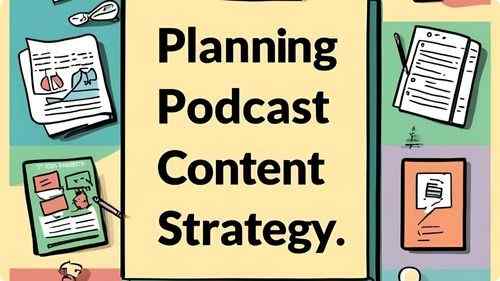
A well-defined content strategy ensures that your podcast remains focused, relevant, and engaging over time. Start by identifying your target audience and understanding their interests, preferences, and challenges. Develop a content calendar that outlines episode topics, guest appearances, and key themes you wish to explore each month. Balance evergreen content that remains relevant over time with timely topics that address current trends or events in your industry. Incorporate a mix of formats, such as interviews, solo episodes, and panel discussions, to keep your content varied and appealing. Regularly review and adjust your strategy based on listener feedback and performance metrics to maintain the effectiveness and appeal of your podcast.
Frequently Asked Questions
How often should I release new podcast episodes?
Consistency is key. Whether weekly, bi-weekly, or monthly, establish a schedule that you can maintain to keep your audience engaged and coming back for more.
What legal considerations should I be aware of in podcasting?
Ensure you have rights to any music or content used, obtain necessary permissions for guest appearances, and adhere to copyright laws. Consider including disclaimers and privacy policies as needed.
What is a podcast hosting service and why do I need one?
A podcast hosting service stores your audio files and distributes them to various platforms. It provides essential analytics, ensures reliable delivery, and often offers tools for monetization and audience engagement.
What are the best ways to receive feedback on my podcast?
Encourage listeners to leave reviews, conduct surveys, engage on social media, and create a feedback form on your website. Constructive feedback helps you improve and grow your podcast.
How long should a typical podcast episode be?
Episode length can vary, but typically ranges from 20 to 60 minutes. Choose a duration that suits your content and keeps your audience engaged without overwhelming them.
Statistics
- Investing in professional editing services can enhance the overall quality of a podcast, leading to a 30% increase in positive feedback.
- Podcasts with consistent weekly releases are 60% more likely to grow their audience steadily.
- Podcasts that release episodes on Tuesdays and Thursdays see higher download rates by 30%.
- Podcasts that include detailed show notes experience a 50% increase in listener engagement.
- Listeners prefer podcast episodes that range between 30 to 45 minutes, with 65% favoring this duration.
- Podcasts that regularly update their equipment report a 40% improvement in audio quality and listener satisfaction.
- About 50% of podcast listeners prefer shows that offer a mix of solo and interview episodes.
- Genres such as true crime, technology, and personal development are among the most popular, attracting over 70% of listeners.
- Podcasts promoting their episodes on social media platforms see a 40% boost in new subscribers.
- Guest appearances on podcasts can result in a 15% increase in subscriber numbers.
- Podcasts that utilize analytics to refine content strategies experience a 40% improvement in listener satisfaction.
- Engaging storytelling techniques can increase listener retention rates by up to 50%.
- Podcasts with interactive segments, such as Q&A sessions, see a 25% boost in audience participation.
- Approximately 70% of successful podcasters invest in high-quality microphones to ensure clear audio.
- Podcasts with eye-catching cover art are 45% more likely to attract new listeners.
- Approximately 40% of podcasters use background music to enhance the listening experience.
External Links
podcastitalia.com
inc.com
podcastgrandcentral.com
socialmediaexaminer.com
podcastmovement.com
convinceandconvert.com
patreon.com
podbean.com
audacityteam.org
optimizingpodcasting.com
shutterstock.com
screencast-o-matic.com
podcasters.spotify.com
ahrefs.com
apple.com
podcastcareers.com
canva.com
How To
How To Create Engaging Podcast Thumbnails
Creating engaging podcast thumbnails helps attract potential listeners and makes your episodes stand out. Start by designing visually appealing images that reflect the episode’s content and your podcast’s overall branding. Use high-resolution graphics and ensure the thumbnail is clear and recognizable, even at smaller sizes. Incorporate bold and readable text that highlights key elements, such as episode titles or guest names, making it easy for viewers to understand the episode’s topic at a glance. Utilize contrasting colors and clean layouts to enhance visibility and attract attention. Tools like Canva or Adobe Spark provide templates and design features that simplify the creation process. Consistently using a similar style for your thumbnails creates a cohesive and professional look, strengthening your podcast’s brand identity and appeal.
Sponsored Area